 •
Rating:
•
Rating:
THE REVIEW
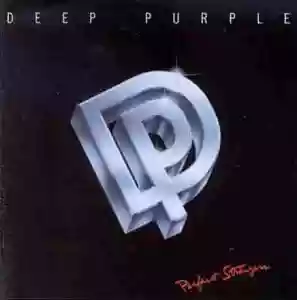
After ten years of statements, waiting, accusations, and denials, the Deep Purple, cult band of hard rock, finds itself in Malibu to achieve the long-awaited comeback: “They offered us a two million dollar advance and we started working,” declares Ian Gillan, the historic voice of the quintet.
Despite the premises, the band, masterfully led by an inspired Blackmore, creates one of the finest albums of its production, second only to the unreachable “Machine Head” and “In Rock.” Maybe the album doesn't feature the iconic tracks that have made the group's history or masterpieces that make one scream in amazement, but it is a successful album from a great band that knows it can count on a legendary and enviable past.
The crescendo opening with the unparalleled “Knockin’ at Your Back Door” is one of the most compelling since the golden times, with a Jon Lord over the top, crafting suggestive musical plots, emphasized by Gillan's knowing lyrics, who moves away from his customary exasperated timbres to become a chansonier of great skill; “Under the Gun” maintains the same straightforward musical taste, closely followed by the fiery hard rock of “Nobody’s Home,” suspended between glam and the more radio-friendly Rainbow.
The subsequent “Mainsteak,” where Gillan enjoys himself with licentious double entendres, momentarily lowers the album's qualitative register, offering a tired and unoriginal rock, as will also be “Not Responsible,” presenting a glimpse of what the Deep Purple of the '90s will be.
“Perfect Strangers,” the most successful track of the work, is, in all respects, one of the group's last classics: after a dark introduction, the instruments enter with a martial theme to depict decadent scenarios. The entire structure of the track is played on Blackmore's imperious riff, moderating virtuoso excesses and providing a performance full of passionate musical taste. The level remains high with the unleashed rock ‘n’ roll of “Gipsy’s Kiss,” though guilty of recycling some ideas from the latest Rainbow, which will become a haunting presence in many parts of the album, given Blackmore's evident influence over the group's writing process.
“Wasted Sunsets,” introduced by an inspired guitar phrasings, calls to mind the dramatic atmospheres of “When a Blind Man Cries” or the delicate laments of “Soldier of Fortune,” where voice and guitar chase each other painfully in the twists of troubled rock-blues. A masterpiece by the Purple, unfortunately never performed live. The following “Hungry Daze” doesn't add much to the already described episodes, being attractive enough to fully earn its place in the group's must-have repertoire, even if the structure revisits already known compositional clichés.
“Perfect Strangers” proves to be an album devoid of the exceptional insights that brought the Purple to glory in the '70s, bound to the structures that made them great. Nevertheless, the Deep still appear capable of creating great songs, as they will rarely be able to do in the subsequent two decades.
Loading comments slowly
Summary by Bot
After a decade of anticipation and uncertainty, Deep Purple delivered a notable comeback with Perfect Strangers. Led by Ritchie Blackmore and Ian Gillan’s strong performances, the album blends classic hard rock with new energies. While lacking some iconic hits, it features memorable tracks like "Knockin’ at Your Back Door" and "Perfect Strangers". The album balances high-quality musicianship with some uneven moments, ultimately proving the band’s enduring strength.Tracklist Lyrics Videos
Deep Purple
English rock band formed in 1968, pioneers of hard rock. Best-known for classic lineups (notably Mark II) and landmark releases such as Machine Head and the live double Made in Japan.82 Reviews
Other reviews
By cliffburton86
The riffs, as elementary as they are elegant, are the supporting pillars of Perfect Strangers.
Perfect Strangers is a milestone of hard rock, which together with Machine Head stands as one of the best studio albums made by the group.
By claudio carpentieri
"Perfect Strangers presents the most immediately impactful track: 'Knocking At Your Back Door', a thrilling riff that reveals solid sounds like those of the past decade."
The new heroes of hard sound chose the English band as their guiding spirit for a sound that was both pleasantly aggressive and irresistibly melodic.
