
 •
Rating:
•
Rating:
THE REVIEW
A fan in a rock album? You might be wondering what this question means and wouldn't even know how to answer.
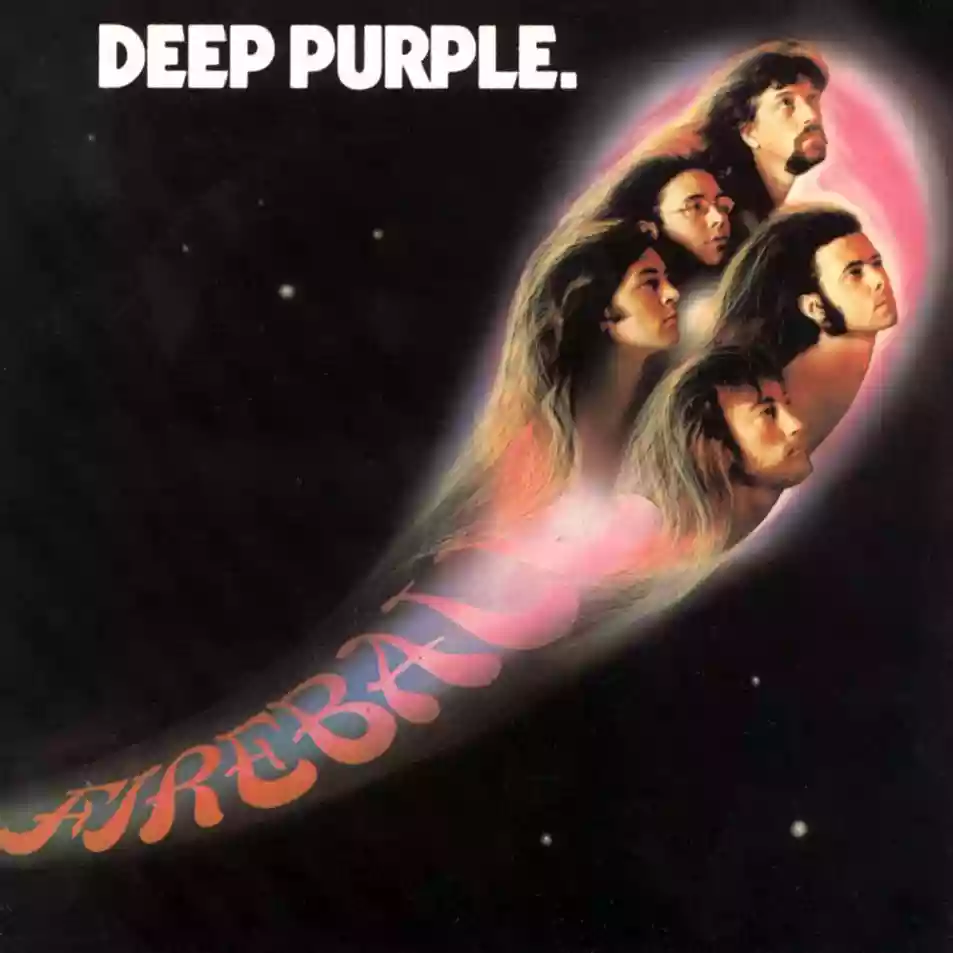
A fan in a rock album… incredible but true, but it's the sound of a fan that opens the fifth studio album by Deep Purple, a rock band active from the late '60s onwards, a band that in the '70s achieved worldwide fame thanks to albums of high artistic caliber like In Rock and Machine Head.
Well, the album released among those already mentioned, Fireball, released in 1971, opens with a sound effect achieved thanks to Ian Paice's fan, the band's drummer. The song that receives this privilege is also the title track, one of Deep Purple's best-known songs throughout their career.
Once the fan fades out, the real music finally starts, with Ian Paice's drums introducing in turn the other instruments and the aggressive voice of Ian Gillan. Notable is the distorted bass of Robert Glover which stands out in a stylistically very successful solo.
The following track, No No No, is a nice rock piece with a funky flavor, yet Deep Purple considers it the least successful song on the album due to its slowness. Ian Gillan's voice remains aggressive and the drums set the background. Towards the end of the song, it's time for a beautiful keyboard solo by Jon Lord.
Demon's Eye is a very catchy track: the presence of the guitar is evident and Blackmore's solo, the band's guitarist, is one of Deep Purple's most famous. Anyone's Daughter, the track that closes side A of the album, is a piece with a country atmosphere. Ian Gillan's voice is quieter and the singer seems almost to take on the role of a storyteller.
In The Mule, the track that opens side B of the album, space is given to Ian Paice's drums: live, the drummer can showcase all his skill and versatility in this piece. With the second song of side B, Fools, Ian Gillan's voice returns aggressive, and in the middle of the song, the sound of the tambourine prevails. It's the longest track on the album. Side B, and consequently the album, ends magnificently with No One Came.
Fireball rightfully ranks among the gems of hard rock, a very powerful album, an album with no holds barred.
Loading comments slowly
Summary by Bot
The review praises Deep Purple's 1971 album Fireball for its powerful hard rock sound and standout tracks like the title song and Demon’s Eye. It highlights Ian Paice's drum skills, Ian Gillan’s aggressive vocals, and Blackmore’s famous guitar solo. The album is celebrated as a gem of hard rock with no compromises. The unique intro featuring a fan sound adds character to the iconic opener.Tracklist Lyrics Videos
Deep Purple
English rock band formed in 1968, pioneers of hard rock. Best-known for classic lineups (notably Mark II) and landmark releases such as Machine Head and the live double Made in Japan.82 Reviews
Other reviews
By Peppe Weapon
The album is instead excellent, and despite new psychedelic and country glimpses, we are faced with a product in pure 'Deep' style.
With 'The Mule,' we enter psychedelia with almost Egyptian soft sounds.
