
 •
Rating:
•
Rating:
THE REVIEW
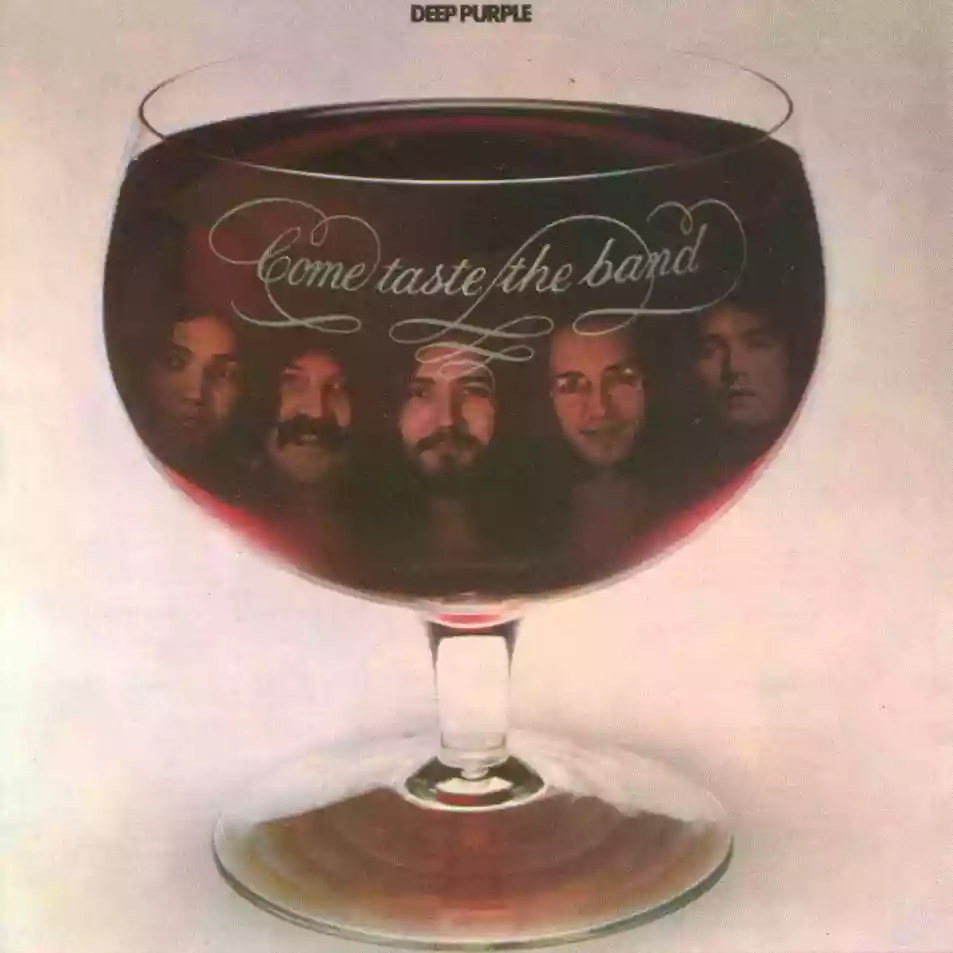
Considering what happened to their historical colleagues, I have always considered it a peculiarity of the Purple not to be stylistically too dependent on a guitarist. And I was wrong. A direct consequence of the sensational split with Richie Blackmore was the definitive abandonment of the baroque elements that had marked the discography immediately preceding this album. However, pay attention: “Come Taste The Band” is not just “a Purple album without Blackmore.” Instead, heavily influenced by the inclinations of the various musicians who created it, it presents us with a band still at the peak of its capabilities (the choice of the album title was never more fitting). So, unless you belong to that category of audience who becomes morbidly attached to their idols, you will find this to be a work rich with interesting insights.
First and foremost, the stylistic roots and verve of the prodigious Glenn Hughes. The bassist, on this occasion co-singer with Coverdale, infuses some of the album's splendid tracks with his characteristic songwriting. “Getting Tighter,” a sensational funky-rock sample, offers a Hughes with overwhelming vocal tendencies. Standing out in this track is the sound of Tommy Bolin's Strat, fiery and certainly as capable as his illustrious predecessor. Still “made in Hughes” is “This Time Around”: to the notes of Jon Lord's piano, the soulful intensity of the English singer peeks through this time. Of an entirely different nature are tracks like “Coming Home” or “Lady Luck,” decidedly more in the Whitesnake style (a band that would be born from Coverdale's idea, right after the definitive split that would follow the release of this album). Both “Drifter” and the splendid “You Keep On Movin” seem less victims of a single member’s personality, suggesting a greater desire for stylistic cohesion among the various influences of the band. I conclude this quick overview with the Hammond digressions of “Love Child.”
After tasting them, it becomes difficult to argue that this “Come Taste…” represents a second-rate episode in the long and not qualitatively homogeneous discography of the English group. An album to rediscover, with a hard rock flavor, soulful nuances, and a funky aftertaste. For once, it's better not to trust the critics and go buy it. The late Bolin jamming with his colleagues declared: “Come see the band! Come taste the band…” There’s nothing left but to heed his advice.
Loading comments slowly
Summary by Bot
Come Taste The Band marks a stylistic shift for Deep Purple following Richie Blackmore’s exit, showcasing the talents of Glenn Hughes and Tommy Bolin. The album blends hard rock with soulful and funky elements, demonstrating strong cohesion despite lineup changes. This underrated work offers fresh insights into the band’s creativity and is highly recommended for those open to new interpretations of Deep Purple’s sound.Tracklist Lyrics Videos
Deep Purple
English rock band formed in 1968, pioneers of hard rock. Best-known for classic lineups (notably Mark II) and landmark releases such as Machine Head and the live double Made in Japan.82 Reviews
Other reviews
By Bonzo
It's not possible to forgo enjoying an album of such caliber, just for the absence of the legendary Gillan, Blackmore, and Glover.
The missing signature, on a delicately crafted work, almost a flout at Blackmore, almost as if to affirm 'we have found a great replacement and we can design an entire album tailor-made for him.'
By Stanlio
He never played the same things twice, he said he perceived the notes a fraction of a second before playing them, almost like magic.
"He didn’t play many notes, he played the right notes!" – Billy Cobham on Tommy Bolin.
