
 •
Rating:
•
Rating:
THE REVIEW
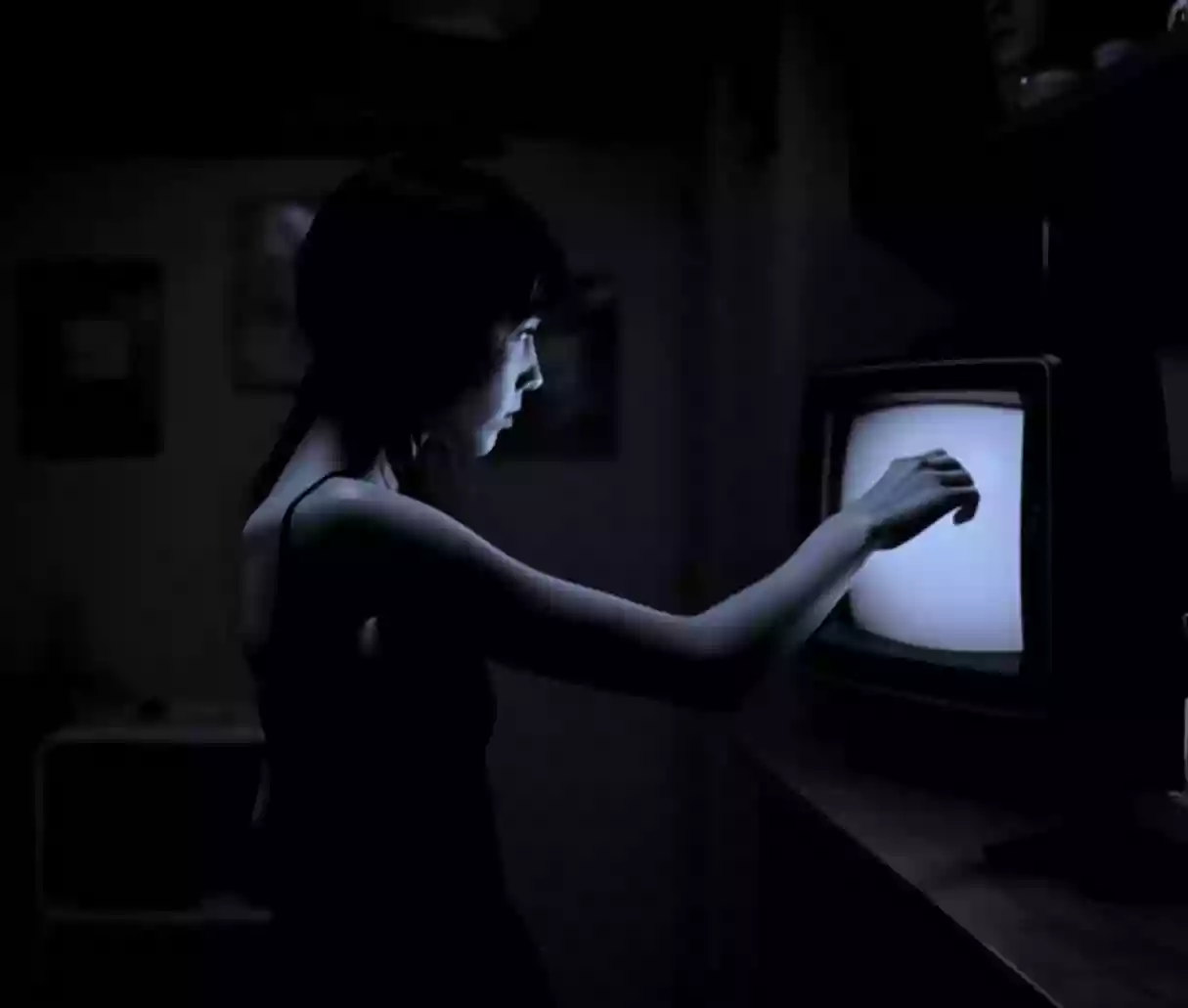
Subliminal Possession is an allegory of the toxic and deadly power of television. Built on the eponymous track from Deca's new album Neuronte - one of its standout pieces - I wouldn't exactly call this short film a music video. While it's true that it's devoid of dialogue and based on the cadences and soundscapes of the track, it manages to convey a transversal story made of symbols, metaphors, and allegories.
Permeated by atmospheres teetering between cyberpunk and steampunk, it showcases a fascinating vintage aesthetic that harmonizes well with the evolution of the music. A reflection on the power of massive media communication through images arises spontaneously. Initially, we see machines (humanoid robots) interacting with the TV screen, influencing and manipulating humans by touching it. Then humans also appear, but they mostly watch empty screens. The settings alternate between large, semi-deserted garages, squalid rooms, and abandoned, eerie bathrooms. Water and a kind of smoky fog are constants that add motion to enigmatic and very dreamlike sequences. Cemeteries and menacing figures appear on the screens from a certain point onward. The cemetery crosses replace humans as the boundary between the dimension on this side and the one on the other side of the screen becomes tenuous.
Humans, initially curious and hypnotized, then cry, despair, are irremediably intoxicated, and undergo horrible pathological mutations. In the end, fluids seem to flood everything, while a woman's skeleton sways hanging from high tension wires, and another skeleton is crucified on an antenna under a stormy sky.
Deca, author of the splendid album (already reviewed by others) and producer of the concept and design of this video, uses a mixed technique with video/photography, animation, and CGI, achieving results of great fascination. He allows himself an initial cameo: with his back to a large clock emitting electric discharges; he appears thoughtful at first, then spreads his arms in a gesture of welcome and prophetic resignation. His musical mantra is perfect. The rarefied initial sounds mark the rhythm of a decaying technology and a desolate and distressing urban scenario that intersects modernism and industrial archaeology. The Era of the Television and its subliminal power have taken root since the Second World War and consolidated over the decades, amidst illusions of an increasingly sci-fi present and a future full of unknowns. Power that becomes possession in all respects. And while the machines already know how to relate fearlessly to the magical screen, the dazed young women vainly seek an impossible mutual interaction.
Subliminal Possession is like a prophetic vision transferred into tangible images and sounds: Worthy of its author, who for a long time has been distinguished by the ability to evoke with music an "other" perceptive plane.
"...he has developed a very personal artistic language that, through hybridizations and syncretisms, explores and repositions the fluid boundary between reality and the dream dimension." (cit. Treccani)
To see and revisit (and listen to).
Loading comments slowly
Summary by Bot
This review evaluates Deca's film 'Possessione Subliminale', highlighting its effective psychological themes and strong cinematic execution. The reviewer awards the film a solid 4 out of 5 stars, praising its atmosphere and storytelling. The movie is recommended for audiences interested in thoughtful, atmospheric cinema.
Deca
Deca is the stage name of Federico De Caroli, an Italian composer, producer, and pianist/keyboardist from Savona (Ligurian origins), associated with ambient, electronic and experimental music. Reviews describe a four-decade career beginning in the mid-1980s, moving from early Jarre/Vangelis-influenced electronics to darker industrial and later esoteric concept works, alongside piano-only releases. He is frequently nicknamed the “sound alchemist” and depicted as an uncompromising, low-profile cult figure with collector-valued early vinyl.19 Reviews
