
 •
Rating:
•
Rating:
THE REVIEW
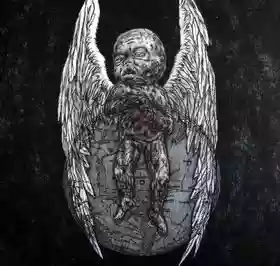
This is one of the best episodes ever in black metal; "Si Monvmentvm Reqvires, Circvumspice" (2004), born from the minds of the enigmatic and almost anonymous Deathspell Omega of Norma Evangelium Diaboli, is undoubtedly a masterpiece of the genre despite the evident avant-garde and, above all, religious influences. After the first two albums, which were certainly good but still too raw and faithful to the classic black metal standards, the band, as declared by Mikko Aspa himself in the interview on Ajna Offensive, decided to break away from that musical trend, which was by then overpopulated and well-trodden for fifteen years by countless groups who, over time, have become nothing more than a caricature of themselves. "SMRC" is therefore a turning point towards the definitive establishment of a genius and refined band capable of going beyond the classic and now worn-out traditional schemes.
It is a (long) scalding and at the same time chilling album; every single track manages to create its own sacred and sulfurous atmosphere although the instruments used are the same as always: guitar, bass, drums, and vocals, with Gregorian chants present in three or four episodes. The riffs are sometimes sharp and lashing, other times round, full, and soft like playdough; in the first case, we can mention songs like "Hetoimasia" and the memorable title track, the former perhaps more contained but equipped with a main riff that almost recalls the tolling of a bell and characterized by a relentless and increasingly swirling development, while the latter is directly slammed in our face without too much courtesy, like a red-hot iron bar: all the power is driven by a drummer as furious as he is versatile and never boring, concluding in the last minutes where a solemn, rotten, and sharp arpeggio takes over along with Mikko Aspa's profound and abyssal growls, reproduced in such a way as to create distant furious echoes, grinding the air with obsessive phrasing.
"Blessed are the Dead Whiche Dye in the Lorde" is creamy and heavy like a succulent cyanide éclair and in the same way "Drink the Devil's Blood" presents itself, conducted by gloomy yet always rich guitar strumming without becoming monotonous. An aspect not to be forgotten, but rather essential for the album itself, is the atmospheric component: the opening track "First Prayer" takes care not to immediately showcase the band's high potential but focuses only on introducing the listener into a hallucinogenic gallery of black contemplation (here too, choruses are present); "Second Prayer" is one of the most suffocating and visionary tracks I have ever heard: miasmas of mephitic hissing arpeggios, whispers of tormented deliriums, pulsating and booming drums, and suddenly we find ourselves in a massive damp limestone cave, contaminated by bubbling puffs of lethal gas; and with the hazy "Third Prayer" you'll have the chance to hear a true prayer, well-paced and periodically interrupted by choruses chanting "Amen".
But the true highlight is found in "Carnal Malefactor", an exhausting feverish marathon with a fetidly celebratory air interrupted for a good 4-5 long minutes by somber Gregorian chants, essential for the success of an album of this kind. Five more tracks are missing, but I think I've been quite lengthy already.
A commendation goes to the lyrics that DsO have composed with extreme meticulousness: on this point, (heated?) debates are never lacking, given the theme is precisely Satanism, the image of the devil, and its relationship (in metaphysical terms) with man and the divine. If you ever have the whimsical idea of reading something, don't expect empty invocations or gratuitous blasphemies spewed without rhyme or reason; rather, you'll deal with long, well-studied lyrics written in archaic English, with numerous reflections accompanied by Latin phrases and citations from Bible passages. Opposing opinions will certainly abound, yet I, even without believing in the existence of certain entities, personally found this approach of the group very brilliant and absolutely original (read the interview to believe).
In conclusion: five solid, full stars to this black gem that impressed me profoundly in every aspect.
Loading comments slowly
Summary by Bot
Si Monvmentvm Reqvires, Circvmspice by Deathspell Omega marks a pivotal evolution in black metal, blending avant-garde elements with intense atmospherics and profound religious lyrics. The album stands out with a fusion of sharp riffs, Gregorian chants, and complex themes about Satanism and divinity. Praised as a masterpiece, it showcases the band's maturity beyond traditional black metal conventions. Each track contributes to a chilling, sacred atmosphere that captivates listeners.Tracklist Lyrics Videos
Deathspell Omega
Deathspell Omega is a French avant‑garde black metal collective formed in 1998 in Poitiers. Renowned for complex, dissonant compositions and rigorously theological, metaphysical lyrics, they reshaped black metal with the trilogy spanning Si Monumentum Requires, Circumspice (2004), Fas – Ite, Maledicti, in Ignem Aeternum (2007) and Paracletus (2010). They are associated with the label Norma Evangelium Diaboli and maintain an anonymous lineup.08 Reviews
