
 •
Rating:
•
Rating:
THE REVIEW
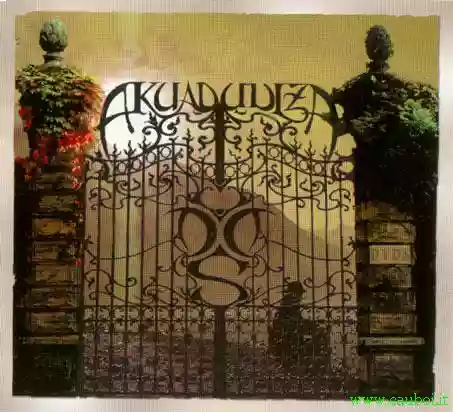
This, ladies and gentlemen, is a great album. It shifts from Hispanic rhythms to blues within a single song, it reaches Lake Como passing through the Mississippi, and plunges into the freshwater, the cornerstone and engine of the entire record. It is the lake itself, a golden prison, a place of ghosts and witch grandmothers, that sings, and it sings in its language, the laghèe. Davide Van de Sfroos brushes perfection, and never disappoints. He sings the stories of ghosts, crows, boats borrowed by witches, macabre legends that dive into the Akuaduulza. The captivating opening of “Madame Falena” has genius underneath, and has a line that drives me crazy, to describe a gunshot and the death of the target: “un tempuraal de un segund e mezz, e un boecc in un bel vestì”, which would mean “a thunderstorm of a second and a half and a hole in a nice dress.” A black-ballad as only Davide can do. Then one of those songs starts that you listen to see how it ends, a five-minute novel, a harsh blues with the harmonica and a story from an American brothel, “The Scorpio’s Paradise,” only that we are in Como, so it's “El Paradis del scurpion,” and it’s the second masterpiece.
Another blues is the secular prayer (“fa mea scapà i nos fantasmi, senza de lùur semm pioe chi semm”, do not let our ghosts escape, without them we don’t know who we are anymore) of “Caramadona,” another great song. And here is the ode to Lake Como, here is the violin of “Akuaduulza,” title-track and absolute masterpiece. There are no words to describe it, you just have to listen to it.
“El fantasma del ziu Gaetann” is fun, “Il libro del Mago” struggles to capture attention. A pity, because the lyrics are truly well constructed. The second piece entirely in Italian from Van De Sfroos' songbook convinces: it is the curious, dark nursery rhyme “Shymmtakula,” nocturnal (the owl looks at gazes/even behind her shoulders/the snakes never button her skin) and truly beautiful. The country of “Nona Lucia” sets off dances in live performances and lightens the tension of the record, but it also has a very “dark” tone. The following “Preghiera delle quattro foglie” is not a masterpiece but defends itself well and fits the context of the album. Just in time to say “perhaps this wasn’t that great” when “Fendìn” starts. This one is truly stratospheric, yet another black-ballad from the record, about a very miserly fisherman who does not have his boat blessed and it becomes a gathering place for seven witches. Masterpiece, both poetically and melodically (the line “la barca te l’eet mea purtada a al benedizion” is chilling).
Still in Italian is “Il corvo,” a good piece. “Rosa Nera” is an ode to the guitar, very Dylan-esque, which Davide uses to respond to accusations of playing at Lega and AN parties: “we have decided to play without weighing people, only those who shoot at a guitar have no right to a song.” Also great is the song “El Baròn” and a masterpiece is the closing guitar-voice of “Il prigioniero e la tramontanta.”
2005 album, this “Akuaduulza”: Dark, imaginative, fun, orchestrated to perfection and very poetic.
Loading comments slowly
Summary by Bot
Akuaduulza by Davide Van de Sfroos is a richly poetic and darkly imaginative album that masterfully blends Hispanic rhythms, blues, and Lake Como folklore. The lyrics tell haunting stories of ghosts, witches, and local legends, sung in laghée and Italian. The album stands out for its perfect orchestration and standout black-ballads like "Madame Falena" and "Fendìn." Though a couple of tracks are less engaging, the overall collection is compelling, fun, and deeply evocative.Tracklist Videos
Davide Van De Sfroos
Davide Van De Sfroos (born Davide Bernasconi) is an Italian singer-songwriter associated with the Lake Como area, known for storytelling songs often written and sung in the local laghèe dialect and for blending folk, country and blues influences.14 Reviews
Other reviews
By zaireeka
Davide Van De Sfroos is, for me, the only true heir of Fabrizio De André’s extraordinary poetic power in the form of songs.
Akuadulza, in my opinion, is his masterpiece—a portrait in the form of a lullaby, impressionistic and extraordinarily beautiful.
By R13570235
An album that to say is perfect both musically and poetically is an understatement.
A blues album, dark, gloomy, and cheerful at the same time, both in lyrics and in music.
