
 •
Rating:
•
Rating:
THE REVIEW
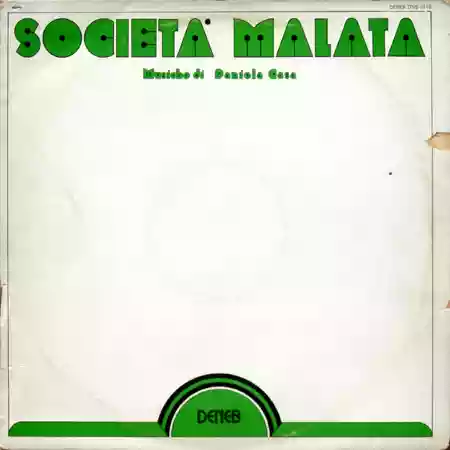
The title of this work, released in 1975 on the Deneb label, fits well with the situation Italy had been experiencing for some years. A country with limited sovereignty emerging from the first phase of state terrorism to immerse itself in what would become Il Movimento.
Reading the titles that make up this record, we find the symbolic places and feelings of that period: The factory and The empty streets on one side, The anguish, The oppression, and The boredom on the other. The music elaborated by Casa, a mix of experimentation, industrial jazz, and expressionism, perfectly paints the pictures suggested by the titles. The author demonstrates not only talent but also a great empathy towards the problems of the time, which gives each piece a special dignity.
I have always been impressed by the fact that the work concludes with the track Dictatorship, almost as if to suggest it as the inevitable destiny of every Sick Society.
Loading comments slowly
Summary by Bot
Daniela Casa's 1975 album Società Malata captures the tense social and political atmosphere of Italy during the rise of Il Movimento. Combining industrial jazz with expressionist sounds, the album reflects themes of oppression, boredom, and dictatorship. Each track evokes symbolic places and feelings of the era, showcasing Casa's talent and empathy. The final track, Dictatorship, suggests a grim inevitability underlying the society depicted.Tracklist
Daniela Casa
Italian library music composer active in the 1970s, known for experimental and jazz-inflected works. Her 1975 album Società Malata (Deneb) reflects the era’s tense social climate.01 Reviews
