
 •
Rating:
•
Rating: THE REVIEW
Speechless.
That is my first impression upon listening to Dälek's second album, Absence. I knew nothing about the trio in question, except that they belonged to the Ipecac family and their very original approach to rap. That's all, nothing more. Oh yes, names and roles in the project in question (Dälek: MC and producer; Oktopus: producer; Still: DJ and turntablist). That being said, I listen to Absence.
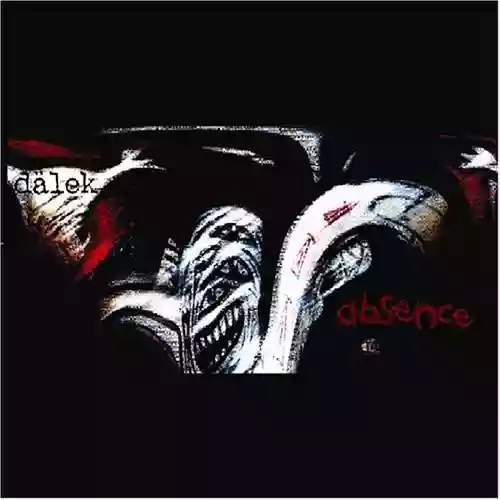
Ten tracks, fifty-seven minutes of music or a little more, dark and haunting cover. Yes, yes, this is a great record, I tell myself. "Distorted Prose" starts, and the tight metrics of the resident MC shine in total silence like flashes in the dark. The boy knows his stuff, quite talented, undoubtedly raised on bread and freestyle. Suddenly, chaos. The non-music of Dälek comes into play. Dirty and obsessive drums accompany our MC's rhymed invectives, tons of industrial noises, devastating feedback and frenetic scratches almost completely bury them, but never crush them, always maintaining balance. Each element respects and integrates the other, nothing is placed at random, almost as if to establish a sort of "order of chaos." "A Beast Caged" and "Ever Somber" are among the album's undeniable peaks, without any doubt. It is here more than elsewhere that the non-style of our artists is synthesized, post-modern shoegazers grappling with beats & rhymes. Incredible. The heavy rhythms of "Opiate The Masses" worthily conclude an hour of nightmare, a hallucinated and distressing journey into the underground that finally brings us back to the light, after wallowing for kilometers in putrid waters, frightened to death only by ourselves and our fears.
Yes, as you might have guessed, Absence shocked me quite a bit, the comparison with The Cold Vein is totally valid: two epoch-making and extreme records that set new standards and styles. Both a hope for the future of rap and music. However, Dälek pushes even further. Their sound is pure deconstruction, conceptually closer to the experimentation of cLOUDDEAD, other great antagonists of rap. A true murder translated into music, the extermination of rap and its reincarnation in a new guise. A masterpiece, a new milestone, a paradoxical and reassuring way out for a genre that seemed to be drawing only from clichéd and trite stereotypes. And, not least, a triumphant entry into the Third Millennium, the definitive advent of that future that scares us, but which, all things considered, is already among us.
Loading comments slowly
Summary by Bot
Dälek's second album Absence stunned the reviewer with its innovative fusion of dark, industrial sounds and sharp lyrical skill. The album balances chaos and order through intense beats, feedback, and rhymes, creating a unique and haunting listening experience. Tracks like "Distorted Prose" and "A Beast Caged" stand out as highlights, showcasing the album's original style. Compared favorably to definitive works like The Cold Vein, Absence marks a new milestone in rap's evolution.Tracklist Lyrics Videos
Dälek
Dälek is an American experimental hip hop group known for blending dense noise, industrial textures, and shoegaze atmospheres with incisive lyricism. Formed in the late 1990s, they’ve released acclaimed albums including Absence and From Filthy Tongue of Gods and Griots.08 Reviews
