
 •
Rating:
•
Rating:
THE REVIEW
Returning from the mists of mythic times are the legendary Comus, the historic '70s band that over time has become a true cult. The group had already reunited in 2008 with a performance immortalized in East Of Sweden, an album released in 2011. Their First Utterance is a classic of acid-folk and prog, having influenced artists such as Current93, who paid tribute to Comus with an effective and paroxysmal cover of “Diana” on Horsey. David Tibet has consistently encouraged the group over the years, finally managing to release their new album Out of the Coma for Coptic Cat. Indeed, Comus is considered one of the progenitors of the so-called neo-folk, not only because of the music—an exceptionally original fusion of folk and classical music that makes use of unusual instrumentation like violin, viola, and oboe—but also because of the lyrics that reference English literature and pagan and pre-Christian themes: Comus is the Greek deity of chaos, as well as a mask used by John Milton as a symbol of intoxication. Another great fan of Comus's music is Mikael Akerfeldt of Opeth, who wrote introductory notes in the album's booklet to the legendary "suite" found in the archives, “The Malgaard Suite.”
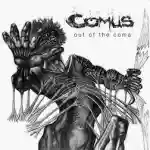
Out of the Coma ideally connects back to First Utterance starting from the cover designed by Roger Wootton, the singer, guitarist, and leader of the group, and features three new tracks that keep intact the magic and the ancient, delirious, pagan, and dark folk sounds of the group; the first track “Out of the Coma” immediately immerses the listener in a dark, timeless atmosphere thanks to the intense voice of Roger Wootton and the 12-string guitar of Glenn Goring. In “The Sacrifice,” the magnificent voice of Bobbie Watson takes center stage in a track that highlights the Jethro Tull-like flute of Jon Seagroatt and the strings of Colin Pearson, a true hallmark of the group. “The Return” is a bucolic and quiet track in which the ancestral voice of Bobbie Watson and the oboe of Jon Seagroatt stand out once more. Finally, the album is completed, as mentioned, by the legendary “The Malgaard Suite,” a track that was supposed to appear in the follow-up to First Utterance, an album that never saw the light of day due to Virgin's pressure for a softer sound, as can be heard in the subsequent To Keep From Crying. Here, one can listen to a “live” recording of mediocre quality that nevertheless brings to light the mythical “sound” of Comus from First Utterance, in a more expansive form, hinting at the band's immense potential.
Indisputably, Out of the Coma is a welcome and unmissable return for all the devotees of this great and influential band that resurfaces from oblivion with a renewed and mad artistic charge.
Loading comments slowly
Summary by Bot
Comus returns with Out Of The Coma, a powerful follow-up to their classic First Utterance. The album features three new tracks that maintain the band’s signature dark, pagan-inspired folk sound. The inclusion of The Malgaard Suite, a legendary archival piece, highlights their expansive potential. A must-listen for fans and lovers of neo-folk and acid folk.Tracklist
Comus
Comus are a British acid/prog-folk group formed in England, first gaining cult status with First Utterance (1971), a dark, acoustic-driven album with violin, flute and oboe. After the more accessible To Keep From Crying (1974) they split, later reuniting in 2008 and issuing Out Of The Coma (2012), which also resurrected the archival Malgaard Suite.07 Reviews
Other reviews
By Peppe Weapon
It took almost forty years to free the 'prisoner' from the cage, to return to the scene of the crime and unleash the beast, along with its insane madness.
Listening to the Malgaard Suite amplifies even more the regrets for a group that, with greater fortune, would undoubtedly have joined the Olympus of the Progressive Rock gods.
