
 •
Rating:
•
Rating:
THE REVIEW
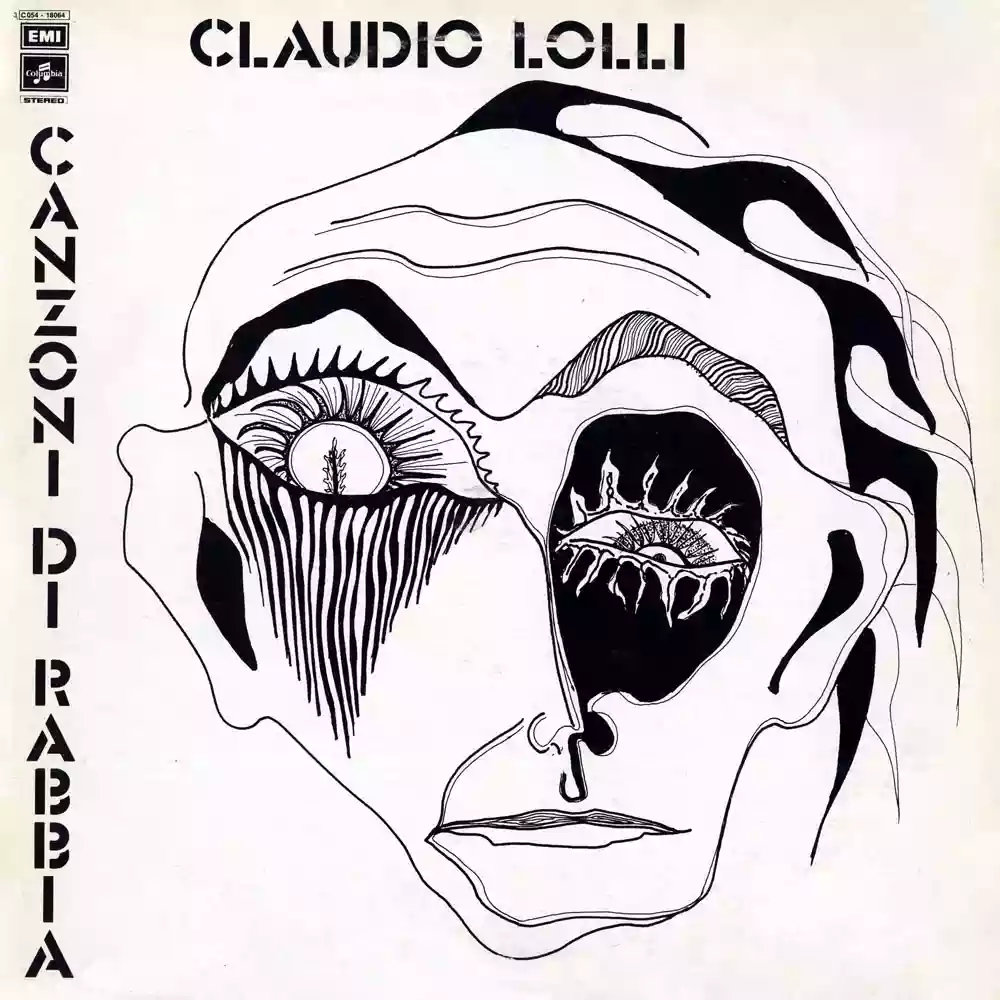
We had left him, Lolli, a bit down in the previous LP, 'Un uomo in crisi'. 'Canzoni di rabbia' is his third LP, and it's a small revenge both for the partial redemption from that realm of paranoia and anguish in which he had taken us as Charon with the first two LPs, and because, of this 'existential trilogy', it seems to be the most successful episode.
I spoke about the first two in the review of 'Aspettando Godot', and this trilogy will be followed by a more heartfelt involvement in political and social themes, in 'Ho visto anche degli zingari felici' and 'Disoccupate le strade dei sogni'.
The tracks are divided into two sides, as in every LP, but each side wants to have its own individuality, thanks to the titles that precede the tracklist: solitary rage and lucid rage. Song by song, following his production from the start, one leaves behind the urgency to communicate existential discomfort, which is obsessive and not too original in 'Aspettando Godot', repetitive in 'Un uomo in crisi'. In this third chapter, we also find something more lively, more motivated: side A opens and closes with a 'Journey' and a 'Return Journey', the first truly suggests the possibility of a new beginning, of a new inspiration, with the exit from a tunnel and the desire to live clashing against existential malaise. Of this half of the album, I appreciate 'Vent'anni', a delicate poem in which I find a truly inspired Lolli compared to many other episodes. The second part proposes an initiative of communion, of union, to face what is adverse, and besides two non-essential tracks, we find 'Al milite ignoto', where the story of this soldier offers the cue for reflections on the harshness of war, the precariousness of life, but also on the strength of affections and the bitterness of an absence that, upon reflection, is unknown to us from afar, but the soldier is anything but unknown, he is every fallen one, carrying with him the anguish of family, friends, loves, and comrades. The other episode is the fitting epilogue of this trilogy: 'Compagni a venire', where an unexpectedly (almost) optimistic Lolli closes with an ending that, if not happy, does not exclude the possibility of encounters, exchanges, relationships that do not only include anger, madness, and resentment, but love, affection, empathy. 'Compagni a venire' is certainly one of the songwriter's best tracks, and perhaps the best of this first phase, which began in a masterly way with the track 'Aspettando Godot', where the protagonist was very alone, and continued with good and less good episodes.
Loading comments slowly
Summary by Bot
Claudio Lolli’s third LP, Canzoni di rabbia, completes his existential trilogy with a more hopeful and motivated energy than previous albums. The album is divided into two contrasting sides—solitary rage and lucid rage—highlighting moments of personal and social reflection. Key tracks like 'Vent’anni,' 'Al milite ignoto,' and 'Compagni a venire' illustrate themes of war, loss, and the possibility of love and empathy. Overall, this album marks Lolli’s artistic evolution and is regarded as the most successful in the trilogy.
Claudio Lolli
Claudio Lolli (Italian; Bolognese singer-songwriter) debuted in the early 1970s and became known for stark existential writing and openly political, communist-leaning themes. Reviews highlight major peaks in the mid-1970s and a final acclaimed album released in 2017, shortly before his death in 2018.20 Reviews
Other reviews
By VoodooChild
"Canzoni di rabbia is born bored and dies furious."
"Poetry is above communism and political art. His is once again a journey into his intimacy and the human side of his characters."
