
 •
Rating:
•
Rating:
THE REVIEW
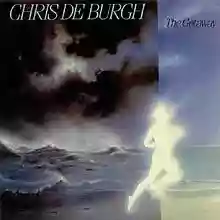
I have never been a fan of AOR, and for the most part, the '80s rock albums that have given me instant crush feelings can truly be counted on one hand, for one reason or another, at least before stumbling upon Chris De Burgh's "The Getaway." This Anglo-Irishman with a globe-trotting childhood following his diplomatic father is one of the many cases where I struggle to find a convincing explanation for the relatively modest commercial success despite immense potential. First and foremost, one of the most beautiful rock voices I have ever had the chance to listen to, melodic, powerful, versatile, and charismatic, then excellent songwriting and intelligent musicality, varied and open to many influences. "The Getaway" from 1982 is the epitome of all these qualities, a high-class arena rock that integrates both synth and folk elements; a work of great creativity, balance, and wisdom that literally outshines the hillbilly, big-haired rock of Bon Jovi as well as the artificial, sickly sweet pop of Duran Duran. The best characteristics of AOR are all encapsulated in these three-quarters of an hour of music; Al Stewart probably wished to propose this type of music after "24 Carrots," but he lacked the spark, the overall vision, and the perfect organization that make this album great.
In "The Getaway," many great contrasts harmoniously coexist: synthesizers and guitars, water and fire, war and peace, anthems from grand stages and relaxed, Mediterranean sounds; with a "sensible" approach, good taste, care, and professionalism, nothing is impossible. The impact with "Don't Pay The Ferryman" is unforgettable, a very cinematic keyboard riff, pulsating bass, an overwhelming crescendo refrain, the right arrangement, and a great voice, and here you have the archetype of a perfect song, which wonderfully pairs with a sumptuous and passionate ballad like "Crying & Laughing", boasting perfect use of synths and another memorable refrain, the most successful slow track of the album without detracting from other excellent performances like the bitter "I'm Counting On You" and an intense "Borderline," which highlights De Burgh's particular attention to themes related to war, not surprising given his cultural background. The great hidden gem of the more rock side of "The Getaway" is the combination of "Revolution"/"Light A Fire", in fact, a single musical discourse composed of a fascinating acoustic intro that seems straight out of a Blackmore's Night album fifteen years early, followed by what is a de facto short but beautiful and intense "synthesized" version of "16th Century Greensleeves," in which the singing also echoes Ronnie James Dio's a lot, that is when citation becomes art. Two practically synth-pop episodes (with a voice that finds no even distant comparisons in the field) enliven and color the album, also serving as a bridge between the two main great souls of the work, namely the brilliant and critical title track "The Getaway", imbued with revolutionary ferment and a desire to take on the world, and the lighter and more carefree "Ship To Shore", shamelessly pop and danceable, but still perfectly integrating into the context.
A great distinctive and strongly characterizing feature of "The Getaway" is undoubtedly the massive presence of semi-acoustic folk sounds, a calm, relaxed folk of strongly Mediterranean ascendancy, the sweet and graceful sirtaki of "All The Love I Have Inside", a picturesque and sunny life fresco like "Living On The Island", embellished by a nice sax solo, and "Where Peaceful Waters Flow", a small masterpiece strengthened by a wonderful vocal performance, the sweet acoustic arpeggio, and the graceful and not gaudy choral of a well-supported refrain by an appropriate flute arrangement. A magnificent trio of feel-good songs, slightly less successful the concluding "Liberty," which stretches slightly into overly pompous orchestration, weighing down a composition that would have been absolutely perfect as a short outro, but it's an absolutely venial error, an excess of self-confidence that barely gets noticed in the context of a truly perfect, highly inspired album free of weak points, as far as I'm concerned, a milestone in its genre, highly recommended because it is an album practically for everyone but created with a class truly for the few, a beautiful piece of fine craftsmanship in a field that is anything but easy.
Chris De Burgh was probably like an independent merchant found fighting against a major supermarket chain, quoting Hubert Humphrey about his defeat to John Kennedy in the 1960 primaries, and also for this, he has earned my full and total endorsement.
Loading comments slowly
Summary by Bot
Chris De Burgh's 1982 album The Getaway is praised as a brilliant example of arena rock with a unique blend of synth and Mediterranean folk influences. The review highlights De Burgh's versatile, powerful voice and the album's intelligent songwriting. Key tracks like “Don’t Pay The Ferryman” and “Crying & Laughing” stand out for their perfect arrangements. The album is seen as a milestone in AOR, balancing grand anthems and reflective ballads with deep emotional and political themes.Tracklist Lyrics Videos
Chris de Burgh
Chris de Burgh (born Christopher John Davison, 24 October 1948) is an Irish singer-songwriter known for narrative pop-rock and ballads. Born in Argentina and raised internationally due to his diplomat father, he broke through in the mid-1970s and achieved global fame with The Lady in Red (1986).01 Reviews
