
 •
Rating:
•
Rating:
THE REVIEW
Between the sixties and seventies, there was the explosion of rock music, with its fragmentation into numerous different styles. In that magical period, the best bands, perfectly distinguishable from one another at the first hearing, practically each initiated a new genre destined for lesser or greater fortune to come, to gain endless followers or to remain tied to themselves and a few other epigones.
Chicago, together with Blood Sweat & Tears, defined the coordinates of jazz rock in 1969, characterized by the presence of a substantial and invasive horn section in their formations. BS&T disbanded almost immediately, while Chicago evolved (or rather devolved) gradually and inexorably toward a highly watered-down form of easy listening that made them sell mountains of records and wrinkle the noses of many early fans. Most people know and appreciate them, or reject them, only under this latter aspect of being slick but classy, but their early albums sound quite different and should be considered a form of progressive where the horns have the same significance as traditional keyboards and guitars.
Their career started with a particular tendency toward gigantism; the first three albums were all double LPs, and the fourth, recorded live, was even a quadruple! Moreover, almost everyone in the band was a composer (the most prolific being the keyboardist Robert Lamm), so there were certainly no creative problems in an era when every possible expansion of a track was allowed, even a drum solo in the studio.
Mentioning the distinctive and resonant horn section (a trombonist, a trumpeter, and a saxophonist/flautist, the same three musicians from the beginning to today!), another remarkable quality of the band is their voices: as lead singers, they alternated the warm and controlled tone of the aforementioned Lamm, the magnificent tenor range of bassist Peter Cetera, and finally the powerful soul rasp of guitarist the late Terry Kath (who tragically took his life in the late seventies playing Russian roulette, can you imagine!). The choruses featured generous doses of harmonies, arranged like the horns, with many harmonic and rhythmic nuances.
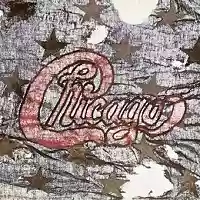
"CHICAGO III" was released in 1971, and for some reason, it's my favorite, perhaps because of the perfect alternation between simpler, more immediate tracks ("Free", "Lowdown", "Mother") and experimental suites, with piano/flute duets, time variations, dissonances, drum breaks... unimaginable for those who associate this band only with the usual "If You Leave Me Now" and little else. The masterpiece, however, is written by Terry Kath and titled "An Hour In The Shower", a rather psychedelic piece that begins with an acoustic guitar and the magnificent Negroish voice of this great and mad guitarist, weaving a tense and unforgettable melody, evolving it into a rhythmical and then choral central section, to conclude it just as it began, after a full thirteen minutes and five "suite" movements. Great. Great Chicago.
Loading comments slowly
Summary by Bot
Chicago's third album, Chicago III, released in 1971, stands out as a progressive jazz-rock masterpiece with a rich horn section and varied compositions. The review highlights the band's evolution from jazz-rock pioneers to mainstream easy listening, emphasizing the experimental and psychedelic elements of this album. Key tracks like the 13-minute 'An Hour In The Shower' showcase the band's creative depth and musical sophistication. The album balances simplicity with complex suites, making it a favorite among early Chicago works.Tracklist Lyrics
Chicago
Chicago is an American rock band formed in Chicago, Illinois, known for blending rock with a prominent horn section and for a long-running career that spans jazz-rock/progressive-leaning early albums and later mainstream pop/AOR successes.18 Reviews
