
 •
Rating:
•
Rating:
THE REVIEW
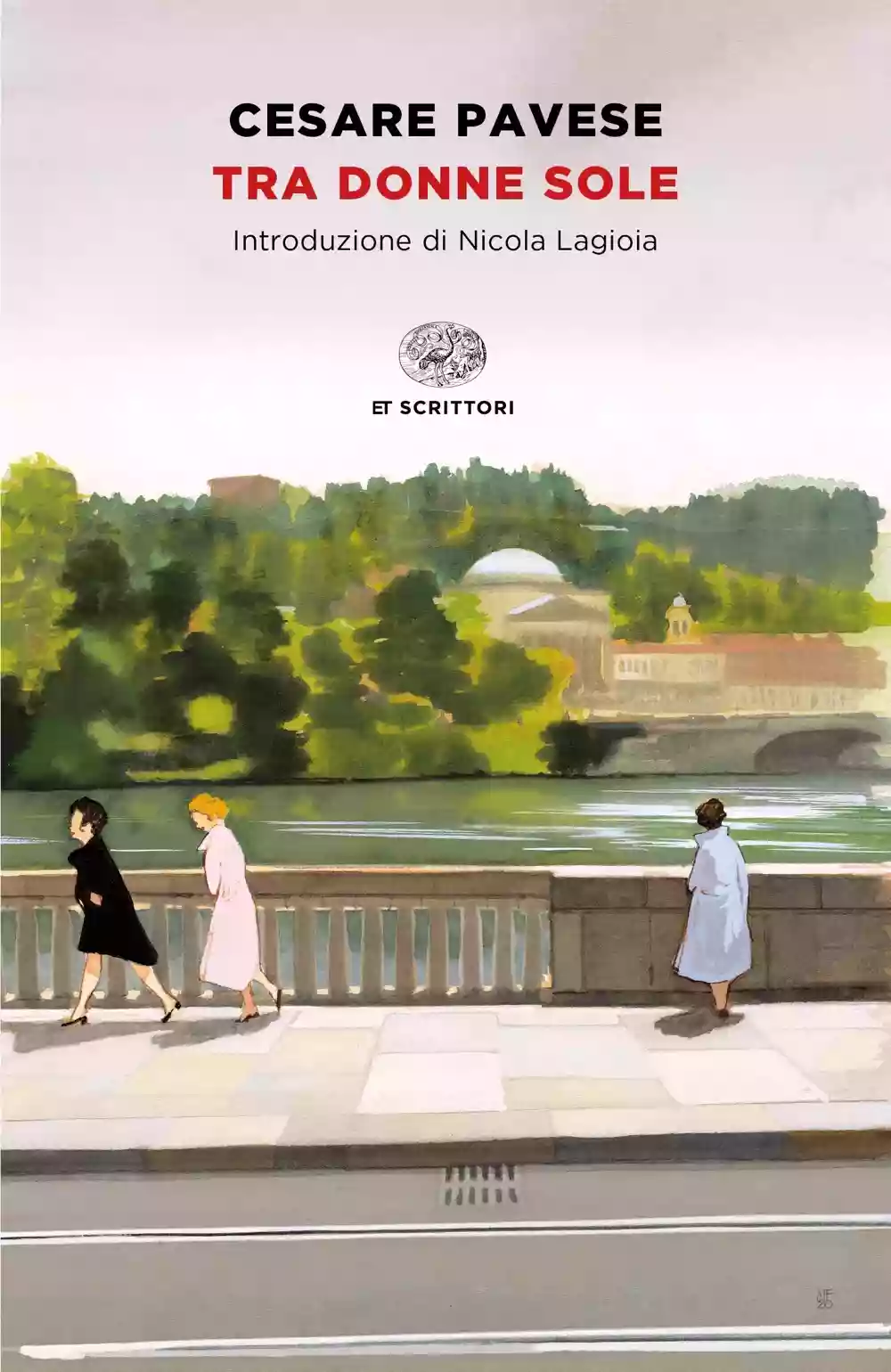
The protagonist of this story is Clelia.
An established figure in the fashion world, she returns to her native Turin on the assignment of the Roman company she works for, to check on the progress of a boutique opening. Hers is a story of success, of revenge, of emancipation—not just female: also and especially from the working-class environment. But it is also a story of cynicism, of solitude, of death.
Thus, walking among the blackened and ruined walls from the bombings in the capital of Savoy—amidst not just a climatic thaw that follows the long, mad European night—she finds herself, almost by chance, passing through the place from which she departed, in search of success and her place in the world, many years before.
"On one of those days—it was drizzling—I had to return before evening around the Consolata. I was looking for an electrician and it had a certain effect on me to see the old shops, the big doors in the alleyways, and read the names, recognizing the signs. Not even the cobblestones of the streets had changed. I didn't have an umbrella and, under the narrow strips of sky between the roofs, I found the smell of the walls again. 'Nobody knows,' I said to myself, 'that you are that Clelia.' I didn't dare linger and poke my nose into the old shop windows. But when I was about to leave, I couldn't help it. I was on Santa Chiara Street and recognized the corner, the barred windows, the dirty and fogged glass."
The emotion, the restlessness, the exceptional nature of the return, soon give way to disappointment, bitterness, the realization of lost time. Clelia has grown; she has become a woman; she has returned; but nobody is left to wait for her, to recognize her, to embrace her:
"I wanted to leave. That was all my past, unbearable yet so different, so dead. I had told myself so many times over those years—and later, thinking back—that the goal of my life was precisely to succeed, to become someone, to one day return to those alleyways where I had been a child and enjoy the warmth, the amazement, the admiration of those familiar faces, of that little people. And I had succeeded, I returned; and the faces, the little people, they had all disappeared. Carlotta was gone, and Lungo, Giulio, Pia, the old women. Guido was gone too. Those who remained, like Gisella, didn't care about us anymore, nor about that time. Maurizio always says that things are achieved, but when they are no longer needed."
Clelia's long disillusionment unfolds from the laborious alleys of working-class Turin to the muffled salons of wealthy Turin; not less futile and evanescent are the other female figures who accompany her, in the foreground or in the background, throughout the book's events.
In their empty vanity, incapable of pity or feelings, they too sketch unsteady outlines of a world where, as always, in any circumstance, the figure of the weaker is destined to succumb.
First edition: Cesare Pavese, "Tra donne sole", in "La bella estate", series "The Supercoralli", Einaudi, Turin, 1949.
Loading comments slowly
Summary by Bot
Tra donne sole tells the story of Clelia, a successful woman who returns to her working-class roots in Turin. The novel captures her journey of emancipation, the emotional weight of coming back, and the bitter recognition of lost time and altered relationships. Pavese poignantly highlights the loneliness and vanity embedded in social mobility. The story portrays the fragile position of women in shifting social contexts.
Cesare Pavese
Cesare Pavese (1908–1950) was an Italian novelist, poet, translator, and editor from Santo Stefano Belbo. A central figure at Einaudi, he helped introduce American literature to Italy. He won the 1950 Strega Prize for La bella estate and died by suicide in Turin in 1950.05 Reviews
