
 •
Rating:
•
Rating:
THE REVIEW
To cover, to cover, almost as if we were talking about a warm blanket, enveloping, just like Chan Marshall's voice (Cat Power's birth name) can do, as indolent as ever, discreet like nowhere else. Yet, it just takes that light touch, that particular tone of voice, to succeed in giving each melody, each song, the unique and unmistakable style of the American singer-songwriter.
Yes, because it seems in this case there is an extra 's' in the blanket: it’s not cover, but covers, and so we talk about remakes of other people's songs for those that make up this album. The Velvet Underground, Bob Dylan, Nina Simone, Chan bends them, almost like twigs, uprooting them, decontextualizing them, as happens at the opening with an unrecognizable “(I Can't Get No) Satisfaction” where the explosive energy of the Rolling Stones suddenly implodes, expanding, while the almost bored singing continually reiterates the verses that make up the “bridge” that would follow the chorus (in other words, when Mick Jagger sings “…When I'm driving in my car… etc etc.”) without, however, ever exploding into the liberating “I can't get no…”.
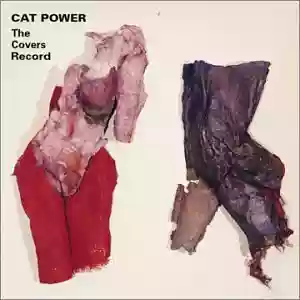
Chan’s energy is all compressed, always on the point of exploding, as often happens live (and those who have had the fortune or, depending on the point of view, the misfortune of seeing her live know what I mean), temperamental like few, emotional almost to the point of bursting the heart as she does in “Troubled Waters” or “Wild is the Wind”. This is a subtractive album, the first where the singer is really alone, without supporting musicians, exposed, despite her fragility, and perhaps this is also the meaning of the cover: clothes thrown on the ground, crumpled, the singer is completely stripped of any frills or embellishments of any kind, also ready to wear others' clothes to make them fit her. But elegance is not just an outfit; it is especially the way of wearing it, and in this Chan Marshall has nothing to envy, to anyone.
Loading comments slowly
Summary by Bot
The review praises Chan Marshall's ability to turn classic cover songs into deeply personal and unique renditions on The Covers Record. Her voice is described as warm and intimate, giving new life to well-known tracks. The album is noted for its minimalist, solo arrangements that expose her vulnerability and emotional depth. The reinterpretations strip songs down to their core, creating an elegant but raw listening experience.Tracklist Lyrics Videos
Cat Power
Cat Power is the stage name of American singer-songwriter Chan (Charlyn) Marshall. Emerging in the 1990s with stark, minimalist records, she reached wider acclaim with Moon Pix (1998) and You Are Free (2003), embraced soul-inflected arrangements on The Greatest (2006), and explored electronics on Sun (2012). Later releases include Wanderer (2018) and Covers (2022).09 Reviews
