
 •
Rating:
•
Rating:
THE REVIEW
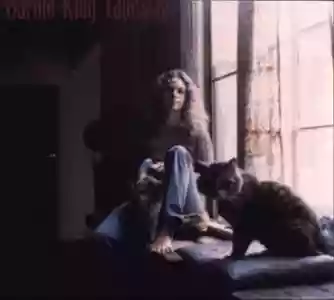
Here is one of the best-selling albums of all time, a true classic of American music.
Despite being a debut, the New York singer made her debut at Queens College, initially recording demos with a young Paul Simon and then with Gerry Goffrin. Together they would become one of the most prolific songwriting duos America has ever had, second only to Leiber & Stoller. During the '60s, their collaboration would become prolific, composing songs that became timeless classics such as "Will You Love Me Tomorrow", "Up On The Roof", "The Locomotion", just to name a few, songs that would be performed by artists of the caliber of Animals, Blood Sweat & Tears, Bobby Vee, Moonkees, Righteous Brothers. Over the years, she handling the music and he the lyrics, their harmonic and elegant style would take shape, captivating even the Fab Four and surviving the advent of new musical forms closer to blues and subsequent psychedelia.
After the breakup of the artistic and sentimental partnership with Goffin, the girl found herself having to bear alone among the various burdens a musicality that had become mature and well-established, but the habit of working behind the scenes would make it difficult for the artist to step into the spotlight. It would be her friend James Taylor who convinced her, and in 1971, "Tapestry" was released.
But let's discover the greatness of this album together. It starts with "I Feel The Earth Move" and what a start! An excellent groove testifies to a good feeling between King and the musicians, trusty Danny Kortchmar on guitar and Charles Larkey on bass. The song soars especially in the interplay between piano and guitar, while Larkey's bass remains always alive and pulsating, the singing and melody add a precious touch to the result. "So Far Away", another example of melodic refinement, benefits from James Taylor's guitar and Curtis Amy's magical flute. It continues with another hit, "It's Too Late", hints of jazz/blues at your fingertips and a chorus that opens like a flower in spring. Among the other tracks, worth mentioning are "Way Over Yonder", a true example of white gospel, same emphasis, same vibrations, the black community would surely appreciate, and again "You've Got a Friend", another classic that itself became a classic in Taylor's repertoire, the already mentioned "Will You Love Me Tomorrow" written with Goffin ten years earlier, the engaging rhythm of "Smackwater Jack".
The album closes with one of the all-time classics rendered famous by Aretha Franklin's voice "(You Make Me Feel Like) A Natural Woman", also written years earlier by the Goffin/King duo, and who knows what the author felt reclaiming this great song, capable of bringing hidden emotions to the surface with a harmonic progression that borders on perfection.
Ultimately, "Tapestry" is a timeless classic, still capable of captivating with its refined style, but also with a black soul that provides a backdrop and makes this album still alive and pulsating.
Loading comments slowly
Summary by Bot
Tapestry is Carole King’s groundbreaking debut album and one of the best-selling records of all time. The review highlights King’s rich songwriting partnership with Gerry Goffin and the evolution of her solo career with support from James Taylor. Key tracks like "I Feel The Earth Move," "You’ve Got a Friend," and "(You Make Me Feel Like) A Natural Woman" showcase a blend of refined melodies and soulful grooves. The album’s timeless appeal lies in its elegant harmonies and emotional depth, making it a staple in American music history.Tracklist Lyrics Videos
Carole King
American singer-songwriter who rose from Brill Building hitmaker with Gerry Goffin in the 1960s to a defining solo voice with Tapestry (1971). Her songwriting and piano-driven sound shaped 1970s singer-songwriter pop and beyond.06 Reviews
Other reviews
By Davide1990
Tapestry is something so refined and delightful that it feels like touching the sky with a finger.
Carole King's warm and sincere voice, accompanied by a piano played with great precision, created a new model for singer-songwriters in the '70s.
