
 •
Rating:
•
Rating:
THE REVIEW
...for the peasants, the State is farther than the sky, and more malignant, because it's always on the other side...
(Carlo Levi, "Christ Stopped at Eboli")
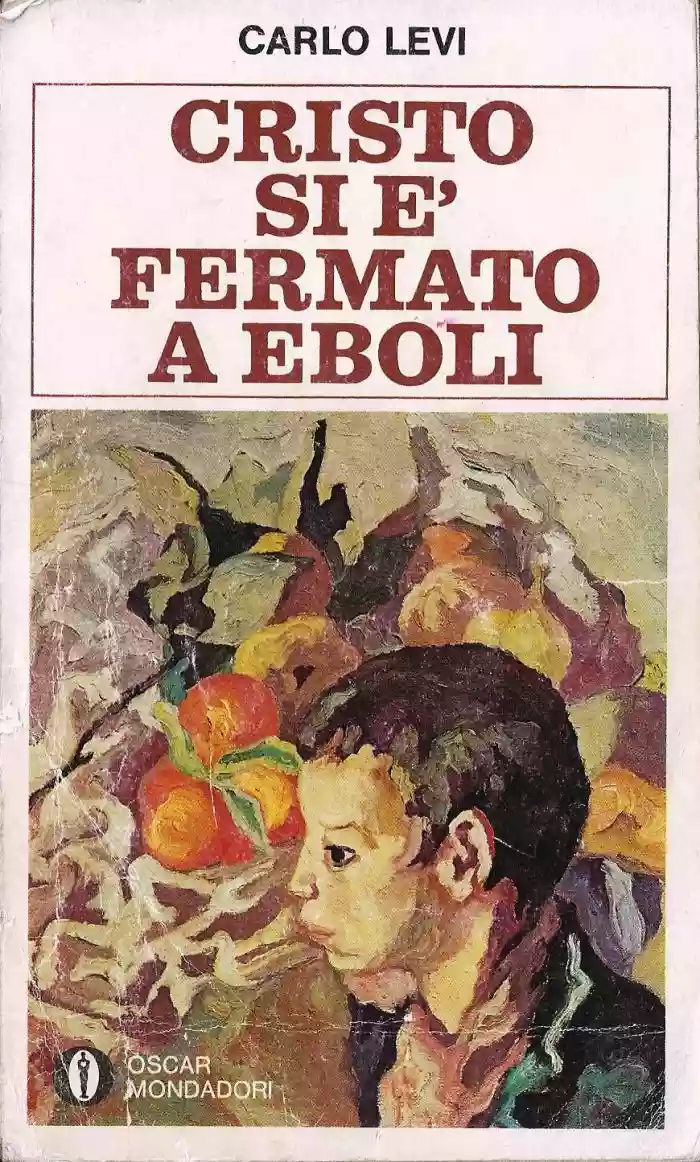
Christ had stopped at Eboli, he hadn't gone further. The hilly interior of Lucania was left to its own devices, to the poor malarial peasants, to the beasts, to the atmospheric adversities, to diseases, creeping poverty, reactionary petty bourgeoisie, and the caporalesque fascism of the podestà. Christ hadn’t reached Gagliano, Grassano, and Gaglianello, small godforsaken villages where Carlo Levi was exiled for his anti-fascist activities in the mid-1930s.
In the mid-1940s, the author realistically recounts his monotonous and repetitive experience of forced exile, his sad and melancholic daily life, the changing of the seasons and the surrounding environment, the legends of brigands and monachicchi (the spirits of children who died before baptism). As you turn the pages of the book, you find yourself catapulted into an almost primitive rural world, light-years away from the "modernity" that in great strides was conquering Northern Italy. The South is meticulously described through the figures of the witch-women, the drunk priest, the children who followed the author everywhere, the two incapable and unpopular doctors of the village, the sick who were treated by Dr. Levi, the peasants who at dawn headed to their plots to extract nothing from the ground.
The "southern question" is addressed directly, without beating around the bush. Lucania is a world outside of History, alien to Progress, a world set apart, forgotten by the central State. More than 80 years have passed but everything seems the same, the issues on the table appear unchanged, the state's willingness to "do something" is always subordinate to the need to do something more important (or to do nothing). It’s not a matter of political affiliation, everyone has failed, be they fascists or socialists, liberals or Christian Democrats. Perhaps, Levi writes, the federalist route could be the turning point, a turning point that has always been awaited, in an eternal and now resigned wait.
A book that pains, a book that turns the stomach, raw and distressing at times, a sociological masterpiece that leaves a bitter taste and a strong sense of nausea. A crystal-clear photograph of what we shouldn’t be, a starting point for what we should do.
But, as Battiato says, spring meanwhile is late in coming.
Loading comments slowly
Summary by Bot
Carlo Levi’s 'Christ Stopped at Eboli' recounts his exile in rural Lucania, exposing the harsh lives of impoverished peasants neglected by the State. The book reveals a stagnant South, alienated from modernity and political progress. Through vivid descriptions and personal experiences, Levi paints a raw and distressing sociological portrait of isolation and neglect. The review highlights the timelessness of these issues and the need for change.
