
 •
Rating:
•
Rating:
THE REVIEW
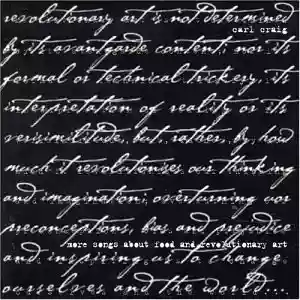
This album is a powerful logos of the nineties.
Because it encapsulates, in sound form, a thought expressed through a language (electronic music tout court) that proves, here more than anywhere else, to be the ideal means to describe the contemporary.
This album is an emotional and deeply physical soundtrack of our times. A work that is simultaneously epic, lyrical, and dramatic. Because it focuses respectively on a character (man in the age of technology), on alienated feelings, and on events capable of disrupting the aesthetic canons of the imagination.
This album is the pinnacle of Carl Craig's brilliant career, the most eclectic and influential of Detroit's techno-heroes. And it comes right after the enlightening "Landcruising," a nocturnal and relentless requiem of the motor city par excellence.
Craig achieves his goal by navigating away from the boastful beat of trite techno.
Designing a vertical sound made of arabesques of geometric sweetness. Building rhythmic patterns of tribal essence. Weaving symphonic lines of ineffable melancholy.
All translates into a gradual ascent in the stratospheric mist of Televised Green Smoke. Into a ride of luxurious nostalgia for a lost world in Goodbye World, with an intro reminiscent of the John Barry of "The Persuaders!".
Into the Morricone-like sweeping synthetic diagonals of Red Light. Into the majestic jazzisms of Butterfly and Dreamland. Into the mystical-industrial progression of poignant beauty of At Les. And down to the downbeat vocalisms of As Time Goes By, the out-of-scheme à-la-Wyatt of Attitude, and the metronomic allure of Frustration.
Here more than elsewhere Craig's sonic palette paints digital landscapes marking the difference from the darker and squarer mid-European canons and anticipates the jazz, soul, and funky contaminations of the imposing project signed "Innerzone Orchestra".
Here more than elsewhere, it is a techno-logical artifact that becomes a classic for posterity.
Loading comments slowly
Summary by Bot
Carl Craig's album 'More Songs About Food And Revolutionary Art' is praised as a pinnacle of his career and a defining work of 90s electronic music. The album blends epic, lyrical, and dramatic elements with influences from jazz, soul, and funk, creating a powerful and nostalgic digital soundscape. It stands out from typical techno with its complex rhythms, symphonic melodies, and emotional depth. This work also foreshadows Craig’s later projects with Innerzone Orchestra. The review highlights the album as a timeless classic.Tracklist Videos
Carl Craig
Carl Craig is a Detroit-born DJ, producer, and key figure of second-wave Detroit techno. He founded the Planet E Communications label and records under aliases including Paperclip People and 69. His work spans club innovations, cinematic albums, and crossovers such as ReComposed with Moritz von Oswald.03 Reviews
