
 •
Rating:
•
Rating:
THE REVIEW
Los Angeles. The roar of the bear shakes the blues!
1967 was the year when singer Bob Hite, nicknamed "The Bear," along with guitarist Alan "Blind Owl" Wilson, formed one of the greatest and most important blues bands in history: the Canned Heat.
What do you mean "Who are the Canned Heat?"
"Future Blues"... "On The Road Again"... "Livin' The Blues"... don't they ring a bell?
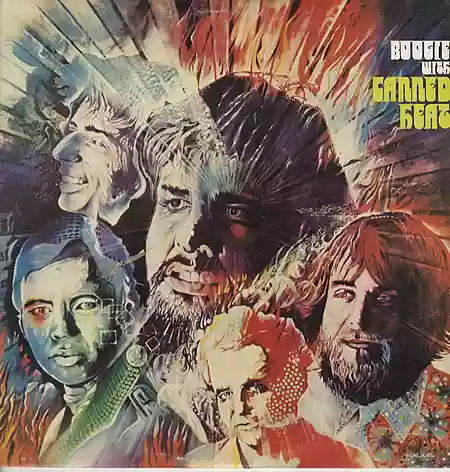
It was 1969 when "The Bear" and "Blind Owl" along with bassist Larry "Mole" Taylor, guitarist Henry "Sunflower" Vestine, and drummer Adolfo "Fito" de la Parra (replacement for Frank Cook) recorded their second album and also their first masterpiece.
"Boogie With Canned Heat" is pure 100% blues: unlike what often happened with '60s bands, these five bluesmen did not allow themselves to be influenced by psychedelia (at least not significantly), but strictly followed in the footsteps of old legends like John Lee Hooker or Muddy Waters.
"Evil Woman" (the first track of the album) is the group's introduction to the American public: Hite's powerful voice, accompanied by harmonica and a rhythmic crescendo of guitars and drums, are the right ingredients for a great blues-themed album. Historic "Amphetamine Anne", perhaps the only psychedelic drop in the entire work. "My Crime", "Fried Hockey Boogie", "Marie Laveau", and "An Owl Song" are pages of rock history, but the highlight undoubtedly remains "On The Road Again": in addition to being the group's biggest hit, it is also Hite's most intense interpretation, as he DOMINATES his voice in such a way that it blends with the harmonica, and consequently, transforms it into a true instrument.
"Livin' The Blues," "Hallelujah," "Future Blues," and all the albums up to 1970 are still valid examples of rock blues, but "Boogie" will always remain their most representative and original album.
The Canned Heat, like many other bands, were forgotten and only rediscovered almost forty years later. Therefore, I recommend that you do not limit yourself to listening only to greats like John Mayall or Eric Clapton, but if you haven't already, to expand your interests towards some pages of both blues history and rock in general, which are now little known to the majority of music connoisseurs.
Loading comments slowly
Summary by Bot
Boogie With Canned Heat, released in 1968, is a 100% blues album by the legendary Canned Heat. The band stayed true to traditional blues roots, avoiding psychedelic trends of the '60s. The album features landmark tracks like 'On The Road Again' showcasing Bob Hite's powerful vocals and harmonica mastery. It remains their most representative and timeless record. This review encourages blues and rock fans to explore beyond mainstream artists to discover gems like Canned Heat.Tracklist Lyrics Videos
Canned Heat
Canned Heat are an American blues/boogie rock band formed in Los Angeles in 1965 by Bob Hite and Alan Wilson. They appeared at Woodstock (1969) and scored major hits with On the Road Again, Going Up the Country, and Let’s Work Together. Classic-era members include Henry Vestine, Larry Taylor, and Fito de la Parra; the group has remained active for decades.10 Reviews
