
 •
Rating:
•
Rating:
THE REVIEW
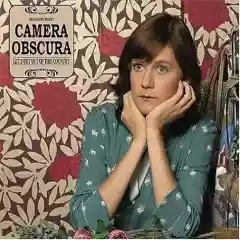
The Camera Obscura from Glasgow offer a retro-flavored pop style similar to fellow Glaswegians Belle and Sebastian. The sextet entrusts its compositions to the melancholic voice of Tracyanne Campbell, a signature of the group's sound, along with a background organ and a guitar that supports the melodies with its phrases. "Let's Get Out Of This Country", an album released in 2006, is recorded and mixed to sound like a late '60s record; it’s not just the use of keyboards that gives this impression but also the guitar effects and Tracyanne's distant voice.
Earlier, I mentioned the similarity to Belle and Sebastian, particularly the early albums. However, it must be noted that Camera Obscura sounds like a more melancholic and bucolic version (also due to the recording quality); both groups share a passion for '60s English and American pop and the attitude to tell stories and make their cultural references evident ("Dory Previn" is dedicated to the American poet and singer). The lyrics of "Let's Get Out Of This Country", however, tend to be rather monotonous. Melancholy overflows, mostly telling stories of love affairs that have ended or never begun ("Dory Previn", "The False Contender", "Tears For Affair"), or hopes of starting a new love story ("Lloyd I'm Ready To Be Heartbroken"). The lyrics are predominantly contemplative ("Country Mile") and as such, they go hand in hand with the music; it is interesting then, to note that the musically more lively songs, with hints towards American surf rock, are also the ones with more proactive rather than contemplative lyrics, as is the case for "Lloyd I'm Ready..." or for the track that gives the album its title, a song that describes the desire to escape from the suburbs, which together with the subsequent "Country Mile" constitutes a sort of diptych about departure (not about escape, the second track is set in Sweden, where the work was recorded by the group).
The group's tracks differ from one another while still having common characteristics, and this is a sign of maturity for the group that has released several EPs and three albums. The group doesn't indulge in refinement of arrangement or execution skill; its stylistic hallmark is a calm mediocrity where both slower and faster songs harmonize.Loading comments slowly
Summary by Bot
Camera Obscura’s 'Let’s Get Out Of This Country' channels ’60s retro pop with a melancholic edge led by Tracyanne Campbell’s distinct vocals. The album blends contemplative lyrics about love and departure with stylistic musical influences from American and English pop of the past. While the songwriting sometimes veers toward monotony, the band’s maturity shows in the variety of tracks and consistent mood. Overall, the album offers a calm and nostalgic listening experience, reminiscent yet distinct from peers like Belle and Sebastian.Tracklist Lyrics Videos
Camera Obscura
Camera Obscura are a Glasgow indie-pop band led by Tracyanne Campbell, known for melancholic, 60s-influenced songs with strings and brass. They recorded multiple BBC/Peel sessions and released My Maudlin Career on 4AD in 2009. Keyboardist Carey Lander died in 2015.04 Reviews
Other reviews
By ziabice
The organ kicks off a huge sphere made of high-class pop that begins to roll towards us with the sweet voice of TracyAnne Campbell.
A retro atmosphere so convincing that it makes it almost impossible to distinguish the originals from the copies.
