
 •
Rating:
•
Rating:
THE REVIEW
After the excellent "Dust and Dreams" from 1991, A. Latimer aims to deliver another concept album but takes his time, hesitating, partly because he has now severed all ties with the world of record labels. Indeed, after the fair "Stationary Traveller" (1984), he tears up the contract with Decca and moves to California, where with great financial sacrifices he first establishes a recording studio and then his own record label. In conditions of absolute creative freedom, the aforementioned album is conceived, receiving a good response among old prog enthusiasts from the '70s.
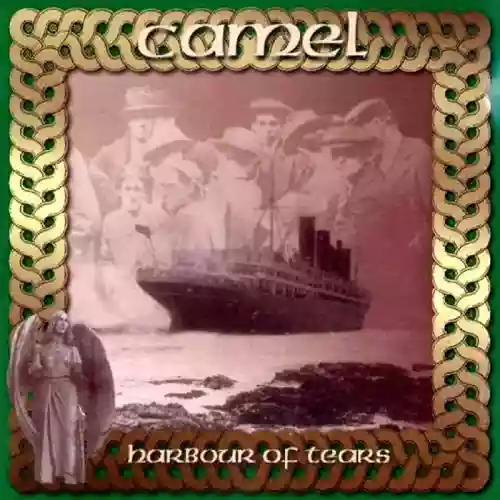
In 1993, A. Latimer, after the death of his father, embarks on genealogical research, discovering distant Irish origins and links this to the central theme of the future concept: the great famine that devastated the island in 1845, forcing thousands of people to emigrate overseas. The work is intimate, dramatic, well blended, as if it were a single suite, yet it is neither difficult to listen to nor to "digest". This concept album diverges from the "fantastical, abstract, and carefree" works typical of '70s progressive; on this occasion, the drama is palpable, thanks to the electric guitar, which takes the lead role, dispensing emotions without slipping into pathos. Alongside the sole historical member, Latimer, are C. Bass, now a fixed member, J. Xepolas, drummer, and M. Simmonds, keyboardist.
The instrumental parts prevail over the lyrical ones, a constant for a band of Canterbury extraction. It starts with "Irish Air": an a cappella voice sings a traditional air, picked up by the leader with the flute and masterfully concluded with the electric guitar. With "Harbour of Tears", a subdued and mournful song opens the door to the drama of the Irish people, dying away to make room for another excellent solo on the six-string. "Send Home the Slates" and "Watching the Bobbins" are the most rock tracks of the batch, in both the rhythm section stands out and there is no shortage of lyrical parts; "Under the Moon" serves as a bridge between the two, a poignant and very brief electric guitar solo that demonstrates the ability, which not many musicians possess, to move with just a few notes.
"Eyes of Ireland" is a mournful ballad, where Latimer's singing, narrating the last vision future emigrants have of their homeland, is accompanied by the folk guitar, played on this occasion by C. Bass. In "End of the Day", a background layer of keyboards accompanies the verse sung by the leader, who, at the end, offers another of his melancholic performances on the six-string. Concluding the album are the two most inspired and complex tracks from a compositional standpoint, and also the longest: "Coming of the Age" and "The Hour Candle". The first is an elaborate composition, where multiple musical motifs intertwine. The second is the classic track where the band serves Latimer's creativity and flair. The beginning is slow and subdued, with only the keyboards accompanying the electric guitar (a solution already seen in "Ice" and "Stationary Traveller"), which, once the rhythm section enters, "intones" a heartbreaking lament, finding peace among the waves of the sea (in fact, the actual 7 minutes of the track are extended by a 16-minute insert, made up of waves crashing on the coast).
For those who love the genre, listening to this album is highly recommended (I urge you to also "explore" the subsequent live album, truly of excellent quality), as it is an intimate work that offers sincere emotions and addresses a forgotten daily drama, masterfully set to music without going overboard with various kinds of instrumental experimentation and virtuosity. The listener's ear is captivated by the last two tracks, but even the triplet "Send Home the Slates - Under The Moon - "Watching the Bobbins" does not disappoint emotionally. Personally, I love this work, which made me passionate about Camel and represented my first step in the long and difficult exploration of 70's progressive rock.
A strong 4, not far from a full score.
Loading comments slowly
Summary by Bot
Harbour Of Tears is Camel’s intimate and dramatic 1996 concept album inspired by Andy Latimer’s genealogical research and the Irish famine. The album blends emotional electric guitar solos with folk and rock elements, creating a cohesive suite that resonates with both prog enthusiasts and newcomers alike. It showcases a mature, heartfelt approach distinct from 70s prog fantasy themes, emphasizing sincere emotions without excessive virtuosity. The review recommends the album highly, particularly praising the concluding tracks and the balance between instrumental and lyrical parts.Tracklist Lyrics Videos
Camel
English progressive rock band formed in 1971, led by guitarist Andrew Latimer. Associated with the Canterbury scene and known for melodic, guitar-forward instrumental work and concept albums.30 Reviews
Other reviews
By Dr.Adder
"A beautiful track, undoubtedly a small gem."
"Do not expect musical experimentation, but genuine emotions with Latimer always in great form."
