
 •
Rating:
•
Rating:
THE REVIEW
It is not uncommon for the paths of music and literature to intersect. What is rarer is that a book read years ago, of which one had even forgotten the existence, comes back to life on an autumn evening, among the notes of a newly released album that one is about to listen to for the first time, with a mix of skepticism and curiosity.
Yet, this is what can happen if the album in question is "Roots and Crowns" by Califone and the book mentioned is "Gli Angeli Ribelli" by Robert Davies. Both, album and book, may be unfamiliar to most, but they are two little gems, perhaps just somewhat neglected in their respective fields.
The bond that connects them is that expression, "Roots and Crowns," which gives the album its title and which we find in a dialogue in the book between the protagonist Parlabane, a semi-alcoholic vagabond, former monk, and former brilliant university professor, and Maria, a young and beautiful philosophy researcher who lives in conflict with her gypsy origins: "You are trying to tear them away (...), but my advice, dear, is that you learn from the trees and let your roots feed your crown" (let your roots feed your crown). In this work, steeped in philosophy and dark humor, teeming with unforgettable characters who represent the quintessence of tragicomedy (how not to mention the professor who has been dedicated solely to the study of feces for decades), the role of the narrator is assigned to a different character in each chapter, ultimately creating in the reader a pleasant sense of alienation.
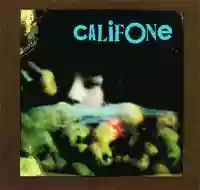
And it is perhaps that same sensation of sweet bewilderment that one feels listening to "Roots and Crowns," the new work by Tim Rutili and his Califone, who have often cited Davies's novel as their source of inspiration for this album. Califone's roots are in the folk music of deep America, a burdensome yet indispensable past that, following Parlabane's advice to the beautiful Maria, they have chosen to retrieve and pay homage to, only to immediately transcend it. The ancestral sounds of American folk music are the sap that feeds the branches of experimentalism, the most evident outward aspect with which Califone presents themselves to the listener.
What ensues is "Spider's House" a wobbly neo-folk ballad, in which every instrument, from strummed guitars to the double bass, from percussion to the trumpet and trombone, seems to pursue its own personal rhythm regardless of the rest. They are the unsettling and dreamlike images of "The Eyes in the Crusades", a distant dialogue between acoustic and electric guitars. The influences of Low and Wilco are undeniable in tracks like "A Chinese Actor" and "3 Legged Animals" and paradoxically (for an album of extreme originality like this) the best moment is represented by a cover, "The Orchids" by Psychic T.V., in which the more typically acoustic and melodic soul finds the perfect complement in the distortions and sound effects that weave their webs, only seemingly in the background.
"Roots & Crowns" is undoubtedly an album that defies categorization, one that cannot simply be liked or disliked, because it eludes most aesthetic standards and criteria. There are albums you would never add to your "favorites" lists and that you would want to share with as few people as possible, because they are too intimate and carry within them a piece of your memories. For the author, "Roots & Crowns" by Califone is one of those albums.
But this, ultimately, is a bit of a personal story. And perhaps it should not have been told.
Loading comments slowly
Summary by Bot
The review explores how Califone’s album Roots and Crowns beautifully bridges music and literature, drawing inspiration from Robert Davies’ novel. Rooted in American folk traditions yet heavily experimental, the album offers a unique listening experience filled with diverse instrumentation and emotional depth. Highlighting its personal significance, the reviewer praises the album’s ability to evoke a sense of sweet bewilderment and intimate connection. It defies easy classification, making it a memorable gem for adventurous listeners.Tracklist Lyrics Videos
Califone
Califone is an American music group formed by Tim Rutili after Red Red Meat, blending folk, blues, and electronics into intimate, experimental songs. The band originated in Chicago in the late 1990s and has released acclaimed records including Roomsound, Quicksand/Cradlesnakes, Heron King Blues, Roots & Crowns, and All My Friends Are Funeral Singers.02 Reviews
