
 •
Rating:
•
Rating:
THE REVIEW
Thirty years of career, twelve studio albums, and two anthological collections: Calicanto are the leading group in the revival of traditional Venetian folk music. From almost philological transcriptions of folk motifs at their debut, they gradually embraced a more modern sound format without abandoning the work of research, recovery, and reconstruction, and their constant collaboration with other musicians.
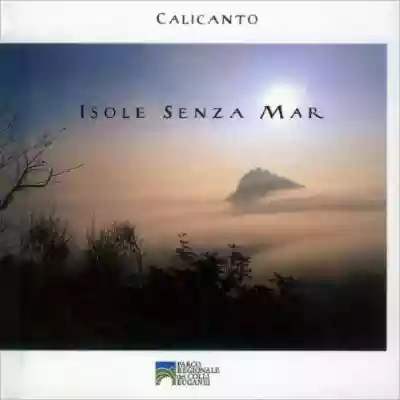
Released in 2006, "Isole senza mar" is a generous album - 15 tracks over an hour long - built largely on the voice of Claudia Ferronato (with the group since 2001) alongside historical leader Roberto Tombesi, also on vocals as well as mandola, cetera, accordions, and other instruments. The sound palette is completed by the other four members of the group on bagpipes, harmonium, clarinets, ocarinas, double bass, percussion. The lyrics are sung in Venetian and Italian.
Just as varied is the range of sounds derived from acoustic instruments, so is the eclectic structure of the tracks: from the engaging and rhythmic folk songs ("La pastora e il lupo", which often opens their live concerts, "I dodese mesi de l'ano", "Beatriz"), to folk male choirs ("Batimarso", "Ciarastela"), to the solo female voice intoning lullabies ("Spagnolin de monte"), to instrumental dances ("Primi baci", "Asuivr"), including two songs sung respectively in English ("Poem") and Spanish ("Voaria a Compostela").
The subtitle of the album, Music and Stories from the Euganean Hills, clarifies the intentions of this well-achieved work: to give voice to the traditions of a land, to its "musical paths": well-characterized roots but offered with a perspective of sharing. As demonstrated by the contribution of numerous guest musicians, from the Instrumental Ensemble of Galzignano Terme to the monks of the Abbey of Praglia just outside Padua (there are two evocative excerpts of Gregorian chant on the album), and the Spanish group Milladoiro.
Seen from the Lido of Venice, on clear winter days, the Euganean Hills "seem like a cluster of pointed islands" (warns a reciting voice) without the sea around them: it is the poetic image, an invitation to discovery, that comes to us from this album.
Loading comments slowly
Summary by Bot
Calicanto's 'Isole senza mar' album celebrates Venetian folk traditions with a modern touch. Featuring Claudia Ferronato's vocals and a rich acoustic palette, the album offers diverse tracks from rhythmic folk songs to lullabies and instrumental dances. It highlights the cultural heritage of the Euganean Hills with guest musicians enhancing the sound. The album is regarded as a well-crafted homage to the region's musical roots.Tracklist Videos
01 Approdo (02:32)
03 La font de Laura (03:42)
04 Batimarso / Vilote dei colli (04:22)
05 Spagnolin de monte / Polesine / Scano Boa (06:33)
06 Primi baci / Polka ad Alfred Mouret (05:27)
07 I dodese mesi de l'ano (04:22)
08 Bonaman / Ciarastela (02:04)
09 La Rosolina (04:46)
10 Poem (live) (03:26)
11 Beatriz (03:09)
12 Asuivr… (04:33)
13 Ave maris stella (04:56)
14 Notturno euganeo (03:41)
15 Voaria a Compostela (03:58)
Calicanto
Calicanto is an Italian folk ensemble formed in 1981 and central to the revival of traditional Venetian music, known for research, reconstruction of repertoire, and collaborations.01 Reviews
