
 •
Rating:
•
Rating:
THE REVIEW
Among the masterpieces of 90s metal, the first two albums by Brujeria undoubtedly stand out, especially the second work, "Raza Odiada", a pleasing confirmation even groovier and sicker than the raw debut "Matando Gueros".
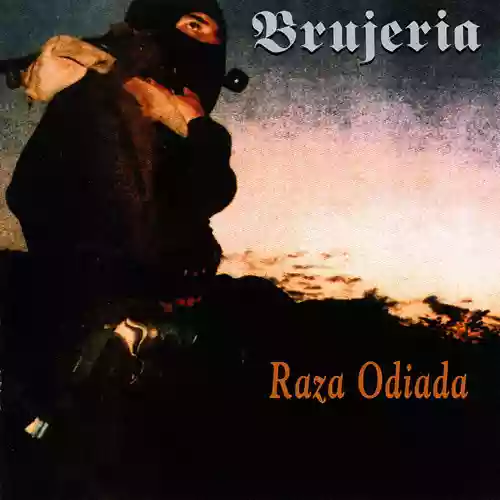
The cover is a kind of declaration of intent from a lyrical perspective, Brujeria speak clearly and immediately declare whose side they are on and who they will exalt over the course of the fifteen tracks. With a pipe, balaclava, and intense gaze toward the future, Subcomandante Marcos, leader of the Zapatista revolutionaries of Chiapas, makes a noteworthy appearance.
Not only politics and revolution characterize Brujeria's music but also drug trafficking, prostitution, and anti-Christianity. As I wrote in the Asesino review, these are all very challenging themes often tackled with blunt but incisive humorous satire.
Musically, "Raza Odiada" is a successful mix of grind outbursts, punk-hardcore attitude, and mid-tempo death metal drenched in violence, hatred, and anger, the result of the genius of its members who, while masked and attributing themselves invented names of alleged Mexican drug traffickers wanted by the FBI (this was the story circulating before the revelation of the musicians' identities in 1995, the year "Raza Odiada" was released), are actually among the prominent names in world metal: Dino Cazares (Fear Factory), Shane Embury (Napalm Death and a thousand other bands), Raymond Herrera (Fear Factory), Billy Gould (Faith No More), with only the bassist (who also contributes backing vocals) Fantasma and the two singers Pinche Peach and Juan Brujo unknown to most.
The initial title-track is a chunky death-groove metal piece tasked with publicly shaming U.S. Senator and Republican Pete Wilson (whose name is playfully altered to Pito, no explanation needed for the Spanish meaning, right?)—a staunch opponent of Mexican immigration and proponent of racially charged proposals to Congress. What better guest than Jello Biafra? The Dead Kennedys’ leader mimics Wilson's voice in a spoken-only introduction to the actual song.
The groove continues with the beautiful "Henchando Chingasos" and the pair "Revolucion"/"Consejos Narcos", the first a committed tribute to the EZLN and communist-style revolutionary movements in general (remember that in the later "Brujerizmo" of 2000, Brujeria also pointed fingers at the Cuban regime with "Anti-Castro"), the second a playful and ironic song about drugs and drug traffickers.
The rhythms are more upbeat and the musical solutions simpler in the more hardcore-oriented central part of the album, already anticipated in the second track "Colas De Rata" with songs like "La Migra", "Almas De Venta", "Los Tengo Colgando", or "Sesos Humanos", except for "La Ley De Plomo" which resumes the groove of the first part; more cadenced Death Metal, dark and almost sulfurous (a bit like Morbid Angel) in the finale with the claustrophobic "El Patron" (almost a desperate cry to the Master portrayed as an oppressive figure), "Hermanos Menendez", "Padre Nuestro", and the concluding and extended "Ritmos Satanicos".
"Raza Odiada", like its predecessor "Matando Gueros", certainly does not represent the most mainstream-leaning attitude (if mainstream can even be mentioned) of the subsequent (still fantastic) "Brujerizmo" (even Shane Embury stated that in this latter work, Cazares had led the band along "too much of a Fear Factory path") but on the contrary, it is a chart-hostile album, a niche that however should not be missing from the collection of any true extreme metal listener.
Loading comments slowly
Summary by Bot
Brujeria's 1995 album Raza Odiada is hailed as a landmark in 90s extreme metal, blending grindcore, death metal, and punk with politically charged, satirical lyrics. The album's themes include revolution, drug trafficking, and anti-Christianity, delivered with raw intensity and dark humor. Featuring notable musicians masked under fictional drug lord personas, the work remains a niche but vital classic for extreme metal fans. Its politically charged title track even features Jello Biafra in a memorable intro. Raza Odiada stands as a must-have for true devotees of underground metal.Tracklist Lyrics Videos
Brujería
Brujería is a Mexican-American extreme metal collective formed in 1989, performing under pseudonyms and masks. Their Spanish‑language death/grind fuses political fury, narcoculture, and blasphemy, yielding notorious albums like Matando Güeros, Raza Odiada, Brujerizmo, and Pocho Aztlan.07 Reviews
