
 •
Rating:
•
Rating:
THE REVIEW
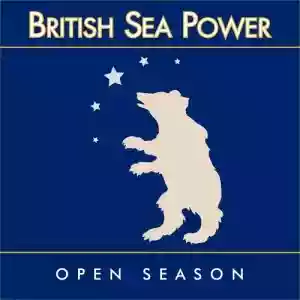
Surely, if there wasn't someone we know, certain records would go unnoticed... jokes aside, the second album by British Sea Power is undoubtedly proving to be one of the most appreciated confirmations of this music season, at least as far as the indie scene is concerned, and it deserves a few words… I would even say it's one of the best albums of the year.
We had left Yan and his brother Hamilton's troop in full guerrilla, amidst the frantic and dizzy accelerations of their early, magnificent singles from 2002 ("Apologies To Insect Life," for example) and the power pop assaults of their surreal new wave anthems ("Remember Me" and the poignant "Carrion") in what turned out to be one of the most convincing debuts of recent years.
Now we find British Sea Power, having emerged from those uncontrolled outbursts with wounds and scars: the battle has been won, but at what cost.
The hunting season is open, but the impression is no longer that of a mad and imperious army, rather of war patients struck not mortally but certainly marked, who meditate in the field hospital and think of returning home... the obvious consequence is that this "Open Season" is a much gentler and softer work compared to their debut two years ago, but it was almost inevitable.
The evoked reference to the English countryside and that somewhat romantic imagery tied to it (which would have made William Wordsworth happy) is evident from the opening "It Ended On An Oily Stage," the first single released, with its epic and melancholic stride.
We then have the homage (starting from the exquisite production) to Echo & The Bunnymen (a reference band for this album) with "Be Gone," where once again Yan enthusiastically delivers fatalistic lines, then leaves space for his brother in the sublime "How Will I Ever Find My Way Home," which in its swinging vocal inflection suspended between sweetness and madness represents the only true bridge to the past: a captivating track constantly teetering between composure à la XTC and fully exposed nerves improvisation (the final 40 seconds are a genuine sonic trauma), I highlight the lyrics, beautiful.
The atmospheres turn languid and melancholic again for most of the album, with "Like A Honeycomb," where Yan reveals his evident passion for Morrissey, and "The Land Beyond," wrapped in the psychedelic folk suggestions of the best Belle & Sebastian.
British Sea Power in this musing among the leaves and trees of English forests find their peak emotional achievement with the beautiful and captivating "Please Stand Up," introduced by an irresistible guitar riff and a chorus that, if possible, further perfects the already memorable one from "Carrion," among skies that continuously change shades and tones and birds that chirp happily and indifferently.
Beautiful sensations.
Judging the album, one shouldn't fall into the trap of comparing it to the past and the noise pop fury of the first EPs: in this case, the path of British Sea Power appears absolutely coherent, perhaps a bit premature, but that's not the point. A band that manages to evoke Joy Division ("Oh Larsen B") without mimicking them, these days, has talent that still presents huge margins for improvement: we just need to understand what truly interests these war heroes... fame, glory, money?
As long as they continue to sing about Victorian ice skating or use that enigmatic and fascinating high language that has made them truly a unique case in the British scene, the answer is obvious.
British Sea Power is a "real" band that lives real adventures, and for now, this handful of high-intensity songs is enough to prepare us for the summer that is ending and another autumn that is about to be born.
Dismissed.
Loading comments slowly
Summary by Bot
British Sea Power's second album 'Open Season' marks a softer, more contemplative evolution from their energetic debut. The album balances melancholic indie rock with poetic lyrics and rich references to the English countryside. Echo & The Bunnymen’s influence is clear, while the band maintains unique emotional intensity. This record is considered one of the best indie albums of the year, showcasing growth and maturity.Tracklist Lyrics Videos
British Sea Power
British Sea Power are a British indie rock band formed in 2000, known for literate, nature-tinged songwriting and exuberant live shows with foliage-strewn stages. Signed to Rough Trade for their breakthrough releases, they later shortened their name to Sea Power in 2021.07 Reviews
