
 •
Rating:
•
Rating:
THE REVIEW
1968… Paris and France are burning.
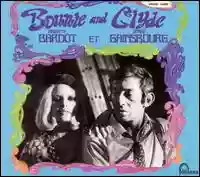
The fire that burns in the hearts of young students carves their place in history, making the French May a crucial generational watershed. The showman Serge Gainsbourg and his partner Brigitte Bardot release “Bonnie And Clyde,” which apparently seems to take no interest whatsoever in the events shaking the cities of transalpine nations. But a historical contextualization of the album and a more attentive listen demonstrate quite the opposite.
Sure, there are no shortages of jazz singer-songwriter episodes, like the subdued “Un Jour Comme Un Autre” with B.B.'s whisper dialoguing with a soft muted trumpet, laid on a bare guitar-bass-drum-piano structure or world-beat reminiscences like “Peuvre Lola”, rather than the theatrical vaudeville of “Bubble Gum”… but the backbone of the album is heavily marked by strong sensual (at times sexual) moods, buoyed by the liberating push that fills the air we breathe.
The title track is a fiercely erotic recount of the protagonists' adventures, “L'Eau à La Bouche” is a mixture of tribal rhythms and warm South American moods, while “La Javanaise” thrives on feminine whispers reminiscent of Ulysses' sirens. The nocturnal “Intoxicated Man” rewrites the music of certain jazz clubs tainted with beat sounds and “Everybody Loves My Baby” is a celebration of the American twenties, where on a jazzy charleston structure Bardot's voice insinuates what was done but could not yet be said. “Doctor Jekyll Et Mister Hide” is a self-referential experiment in all-French psychedelic-pop, while “Comic Strip” is an ironic look at the static French society, which poorly welcomes novelties and simply cannot understand the onomatopoeic language that young people adopt from comics.
The streets across the Alps soon return to being quiet (though they will never be the same again), while Gainsbarre contemplates raising the stakes even higher, thinking and writing the European anthem of sexual liberation “Je T'aime… Moi Non Plus” even though, in the meantime, paths with B.B. diverge and he creates it with his new partner Jane Birkin. But this “Bonnie And Clyde” remains a living and pulsing testimony of a season too often celebrated beyond the ocean and somewhat forgotten here in the old continent.
Loading comments slowly
Summary by Bot
The 1968 album Bonnie And Clyde by Serge Gainsbourg and Brigitte Bardot blends jazz, pop, and tribal rhythms with strong sensual and erotic moods, reflecting the liberation spirit of the era. While seemingly disconnected from the political upheaval of the French May, the album captures the cultural and generational tension beneath the surface. Highlights include the erotic title track and various experimental songs that mix genres and critique French society. Ultimately, the album remains a vibrant testimony to a pivotal time in French and European cultural history.Tracklist Lyrics Videos
Brigitte Bardot
Brigitte Bardot is a French actress, singer, and model who became an international icon in the 1950s–60s. She recorded French pop and yé‑yé songs, collaborated with Serge Gainsbourg, and retired from entertainment in 1973 to focus on animal rights activism.01 Reviews
