 •
Rating:
•
Rating:
THE REVIEW
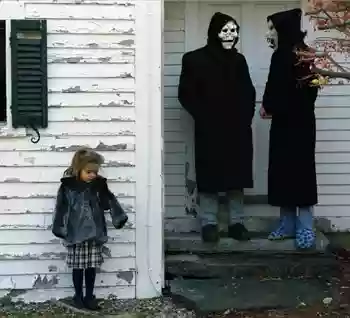
In 2006, with "The Devil And God Are Raging Inside Me," Brand New reached their third trial, the one of maturity, the most varied one, the one that probably consecrates them as one of the best alternative realities of the 2000s.
The four from New York, led by singer Jesse Lacey, achieve a synthesis of all the ideas and styles that had characterized their previous albums, which more than ever now seem to be perfectly embedded within the complex (for a fundamentally emo group) sound textures of the band. The order, the balance between the parts, was achieved thanks to significant progress in the production phase, which allowed them to clean up the raw sound of their beginnings in favor of something completely different, polished and well-crafted, enhancing even more the great theatrical skills of the formation and the laments of the good Jesse.
The album opens with the single "Sowing Season", a track "à la Brand New"; low-profile start, Lacey whispers with a faint voice sweet words anticipating the violent guitar attack of the inspired Vincent Accardi, in an increasingly tragic and ominous atmosphere, which reaches its peak in the desperate howl of the singer. The start of "Millstone" winks at Slint's post-rock, a relaxed piece, dense with elegant arrangements, almost baroque. Brand New have the ability to be original in their simplicity. The group reinterprets everything that has been invented by others in a very personal emotional key; this could be seen as a flaw, but in reality, it is probably their greatest asset. "Limousine" and "Degausser" are almost suites, structured in a bold and daring way, ambitious to the extreme, they represent the two centers of the album, the tracks that reveal the group's intentions, art, and identity. Surges of pure adrenaline like those in "Not The Sun" are remnants of an ever-present emo past, but which has transformed and evolved into something different; somewhat the same situation experienced by Fugazi, who are credited with having launched a genre that, in reality, is momentary and has been overused over the years, they coined a completely their own and autonomous musical language. That is what I hope Brand New can be able to do, who started from emo and could reach new shores and musical horizons.
The two instrumentals "Welcome To Bangkok" and "Untitled" are emblematic from this point of view. The melancholic elegy of "Handcuffs" closes an excellent album, which from now on represents a sort of crossroads for the four. Either this is the best album they will ever manage to remake, or it is the beginning of something different, of a completely new career that launches them as an appreciated and respected band, no longer attributable to labels or childish classifications.
Loading comments slowly
Summary by Bot
Brand New’s 2006 album marks a significant maturity in their sound, blending emo roots with polished, complex textures. The band achieves a refined balance through evolved production, crafting ambitious tracks that highlight their artistry. Notable songs exhibit originality and emotional depth, positioning the album as a possible peak or a launchpad for future innovation. The review emphasizes the band’s success in transcending genre labels.Tracklist Lyrics Videos
Brand New
Brand New is an American rock band from Long Island, New York, formed in 2000. The core lineup featured Jesse Lacey, Vincent Accardi, Garrett Tierney, and Brian Lane. They evolved from emo and pop‑punk beginnings into influential indie/alternative rock, releasing acclaimed albums including Deja Entendu (2003), The Devil and God Are Raging Inside Me (2006), Daisy (2009), and Science Fiction (2017).07 Reviews
