
 •
Rating:
•
Rating:
THE REVIEW
It's easy to talk about a "spiritual testament" in hindsight, especially with an artist like Marley who made spirituality a reason for his life. But if one thinks of a "testament" as a work thrown out during the declining phase of a career, they are very mistaken. It's not a "Look at the Fool", just to name one.
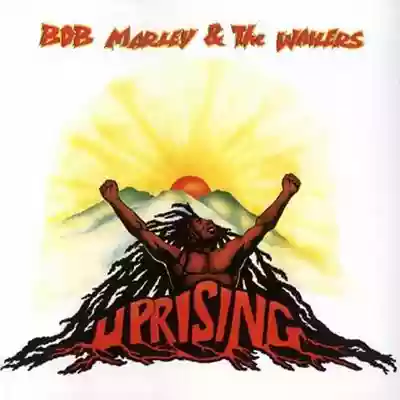
No, here we are talking about a musician probably at his peak, or perhaps at his... second peak. Robert Nesta Marley might have been looking forward to a second life, with a major goal: rejuvenating reggae and bringing it beyond a narrow circle—a circle that Robert himself had practically expanded single-handedly, thanks to his undeniable communication skills. But between 1978 and 1979, the Police had emerged with tracks like "Roxanne" or "Walking On The Moon", and the Clash had been dabbling in certain sounds for a while. In short, not just reggae anymore. The 1980s were approaching, and if you listen to "Could You Be Loved", you understand many things about the trends of the time and Marley's open mind: uptempo rhythm, disco choruses over an obviously reggae base. That's the novelty. If it's true that only the greats keep evolving by changing, Marley had found the right path—at least on this album. And what about the opening, one of the simplest and most beautiful songs ever, "Coming in From the Cold"... two basslines, one "classic" and the other slightly slapped and funky, rhythmic breaks and typically rock-like vocal crescendos. An epiphany, a rising sun like the one drawn on the cover. The themes are the usual ones, the attention to the less fortunate ("Zion Train", "Pimper's Paradise"), brotherly peace ("We And Dem"), love towards Jah; but then we find brilliant dub thrusts like "Bad Card" or "Work", and that's when you realize something is changing.
Finally reaching the end of the journey, and the end for Bobby means "redemption". Yes, "Redemption Song", one of his most touching songs, certainly one of the best known; it’s not reggae, it's Marley picking up a guitar and opening up to the world, urging it and asking for support for a battle he still believed would be long. Time would not prove him right.
Loading comments slowly
Summary by Bot
Uprising is a spiritual testament showcasing Marley at his creative peak, blending classic reggae with evolving 1980s trends. The album features strong social themes, innovative rhythms, and timeless tracks like 'Could You Be Loved' and 'Redemption Song'. Marley’s musical evolution and his message of redemption and brotherhood shine through, making Uprising a standout work in his legacy.Tracklist Lyrics Videos
Bob Marley & The Wailers
Bob Marley & The Wailers were a Jamaican reggae band fronted by Bob Marley, widely credited with bringing reggae to a global audience and associated with themes of spirituality, liberation, and social justice.15 Reviews
