
 •
Rating:
•
Rating:
THE REVIEW
Primordial is the most suitable adjective to define the sound of Blue Cheer, a Californian combo from the late '60s. Interpreters of a wild and hallucinatory way of playing the so-called "electric blues", Blue Cheer are almost exclusively remembered for their fiery version of Eddie Cochran's classic, "Summertime Blues".
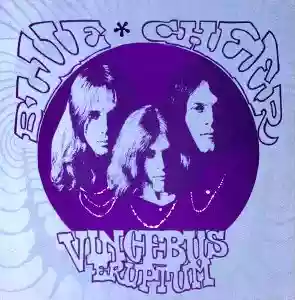
Their first album, Vincebus Eruptum, represents the peak of their musical production and the sonic testament of the band, whose greatest merit remains, regardless of their songs, that of redefining the meaning of "heavy sound", raising volumes to excess and focusing everything on a devastating rhythmic impact. At the time - 1968 - no Bay Area group, where the folkish sound of the Grateful Dead dominated, played so "noisy" and out of tune; to find similar groups, one indeed had to move to Detroit.
Unmistakable trademarks of the Blue Cheer workshop remain the hoarse and rowdy voice of bassist Dick Peterson and the neanderthal drumming of Paul Whaley, obsessive and unsettling. Above all rose the six-string of Leigh Stephens, dispenser of axe-hewn riffs, who compensated for his not-so-excellent guitar technique through a rampant use of fuzz and an almost carnal approach to the instrument.
Vincebus Eruptum opens with the aforementioned Cochran cover, transfigured into a tribal dance, and continues with a canonical blues but with a sickly halo ("Rock Me Baby"), chaotic rides based on crazy guitars ("DOctor Please"), pseudo-blues setting off for space ("Out Of Focus"), sonic assaults that turn into feedback improvisations ("Second Time Around") and another cover passed through the meat grinder ("Parchment Farm" by Mose Allison).
An album and a formation, therefore, that created a megalithic sound, foreshadowing by a year the style of various sacred monsters of British hard rock, and that inspired, for better (Mudhoney, Kyuss, Monster Magnet, and generally the current stoner-psychedelic scene) and for worse (the most predictable and arid Heavy metal) much of the "heavy" music to come.
Loading comments slowly
Summary by Bot
Blue Cheer's 1968 debut album Vincebus Eruptum is a landmark in heavy music, blending wild electric blues with raw, distorted sound. Known for their powerful cover of "Summertime Blues," the band elevated volume and rhythm to new heights. Their unique sound, characterized by fuzzy guitar riffs and primal drumming, influenced generations of hard rock and stoner bands. The album captures a sonic intensity rarely heard in the Bay Area scene of the time.Tracklist Lyrics Videos
Blue Cheer
Blue Cheer are an American rock band formed in San Francisco in 1966. The classic power trio of Dickie Peterson (bass, vocals), Leigh Stephens (guitar), and Paul Whaley (drums) became known for extremely loud, fuzz-soaked acid/psychedelic rock and a hit cover of Summertime Blues. Their 1968 debut Vincebus Eruptum is widely cited as a seminal template for hard rock and early heavy metal.02 Reviews
