 •
Rating:
•
Rating:
THE REVIEW
When Tony Iommi, the guitarist who churned out massive riffs with relentless continuity, and Ozzy Osbourne, the madman who screamed his frustration on stages all over the globe, began to be undermined by the substances they consumed daily, even Sabbath's studio work started to become controversial, falling victim themselves to the controversies of their progenitors. What sales (and the never gentle journalists) called a decline with satisfaction, was actually an attempt to show the public that Black Sabbath was capable of stepping outside its clichés. Added to this was the inconsistency of the main players in the theater who tried to steal the stage from one another, until the split occurred, in several acts but with no appeal.
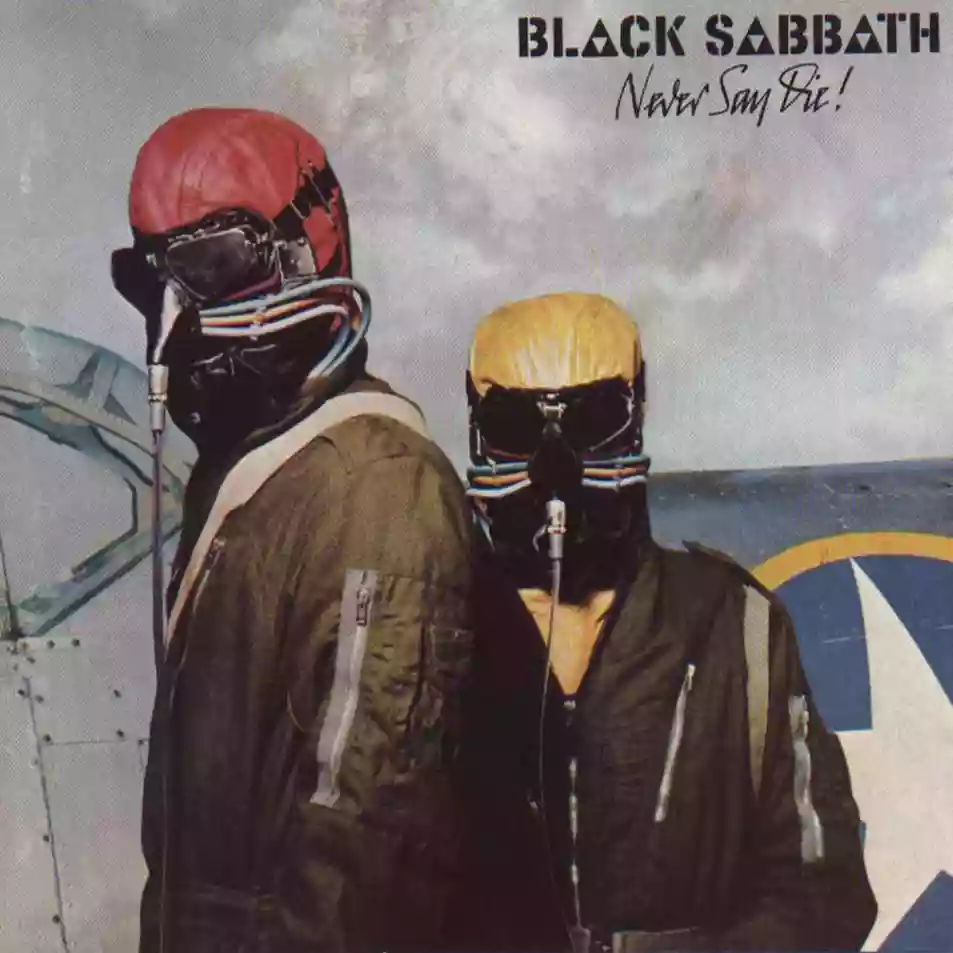
But before that, there was “Never Say Die,” a testament to the creative-stylistic authenticity of the four rogues from Birmingham. These are artists who, despite the pressures, do not consider their work merely a sales product. Thus the need to renew themselves, even at the risk of stylistic oblivion. Rock albums "for the fans" are rubbish that the music business will leave as an inheritance to bands like Manowar and Motley Crue. Then certainly those who grew up on bread and “War Pigs” will find the freak choruses of “Hard Road” cloying and the fantastic jazz-prog digressions of “Air Dance” bland. They will not care about the meticulous details scattered throughout the tracks of this masterpiece. Yes, masterpiece. Because if Iommi had released this album disguised as a solo work of a Steve Hackett of the moment, we would now be hotly debating its stature. Overlooking the pathetic hearsay that "the Sabs died after Sabotage" and setting aside the heavy criticism from the critics of the time, we can really talk about this album: for what its intense melodies are worth, not on the basis of how a Sabbath record must sound at all costs.
The opener “Never Say Die” is actually the only truly commercial episode, the rest of the album is as refined as it is visionary. If the subsequent “Heaven and Hell” will be awarded platinum, we will award this work with the "ivory disc": the atmospheres of “Junior’s Eyes,” decadent and romantic, adorned by the elegant bass spirals of Mr. Geezer Butler. The keys of one Don Airey on “Over To You” (and here we're at least a decade ahead in terms of sound). The march of the keyboards in “Johnny Blade,” an episode in the style of a solo Ozzy. Because his subsequent “Blizzard Of Ozz” will become a hit by recycling a style of "johnnybladean" make. Listen to believe. Amazes with the flair of the aforementioned experiment called “Air Dance,” a piece like a rock version of a pre-Pat Metheny. Concluding (again in jazz fashion) are “Breakout” and “Swinging The Chain,” in which Bill Ward reprises the vocal experience he had (alas) two years earlier with “It’s All Right.” This time, the results are at least catchy.
“Never Say Die” is the album that Black Sabbath fans will never understand, because versatility is the prerogative of another audience, because Iommi and his companions were and are far more than fashion phenomena. P.S. I’m putting a score of four to adhere to the established order that wants this album to be nothing special. But for me, the rating is five.
Loading comments slowly
Summary by Bot
Despite critical and commercial challenges, 'Never Say Die' showcases Black Sabbath's bold experimentation and artistic authenticity. The album blends heavy riffs with jazz and prog nuances, challenging fan expectations. Tracks like 'Junior's Eyes' and 'Air Dance' reveal the band's creative depth. Often underrated, this album deserves recognition as a visionary work.Tracklist Lyrics Videos
Black Sabbath
Black Sabbath are a British heavy metal band formed in Birmingham in 1968. The classic lineup featured Ozzy Osbourne, Tony Iommi, Geezer Butler and Bill Ward, with later acclaimed eras fronted by Ronnie James Dio and Tony Martin. Their influence spans generations; the group released the comeback album 13 in 2013 and concluded with a final tour in 2017.92 Reviews
Other reviews
By Axlspark
"This song is a small masterpiece, with blues and jazz infusions scattered all around, sweet and dreamy."
"After listening to 'Never Say Die,' I feel compelled to say that it is a very valid work except for track 4 and 5, a really good job, very pleasant to listen to and a record that should be purchased."
By Starblazer
"'Never Say Die' is one of the lowest points in the career of the Tony Iommi Band."
"Apart from 'Johnny Blade' and 'Air Dance,' it is the classic album to use as a coaster."
