
 •
Rating:
•
Rating:
THE REVIEW
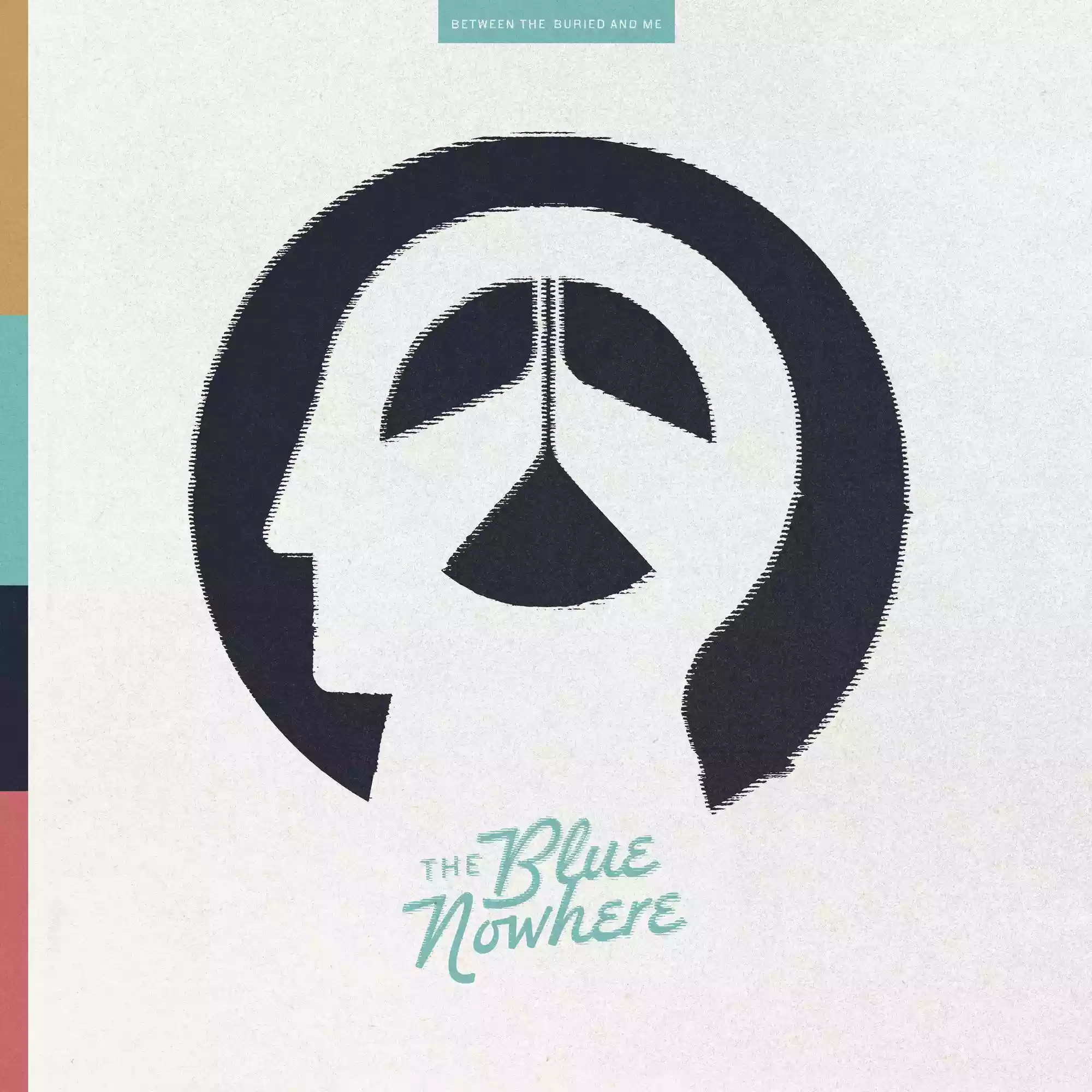
Between the Buried and Me are one of the most renowned and innovative bands in the contemporary metal scene; they have managed to evolve musically without ever stagnating or losing their notoriety. The Blue Nowhere, their latest album released on September 12, 2025, is in fact their eleventh work—will it be able to keep up with the rest of their discography? Initially known as a technical death metal group with progressive aspirations, over the years they have increasingly incorporated metalcore and progressive rock elements. If Colors from 2007 is a transitional album towards their new discographic route, Coma Ecliptic from 2015 can be considered the album where these new sounds culminate in their fullness. The following records, up to the previous Colors II, marked a partial return to the origins, without denying their musical evolution, and it is precisely with this approach that The Blue Nowhere took shape. The album opens with "Things We Tell Ourselves in the Dark": a super-catchy funky rhythm at the beginning immediately sets things straight—BTBAM no longer need to prove anything to anyone, they play what is born from their inspiration, without worrying about fitting into a defined genre line. The track alternates funk elements, clean vocals by Thomas Gilles occasionally turning into heavy growls, syncopated guitar riffs, and a drum section by Blake Richardson that is recognizable from the very first seconds. On this album, however, we note the absence of guitarist Dustie Waring, who left the band after the sessions for the previous Colors II. Thus, The Blue Nowhere is the first album by the American band without his presence since The Silent Circus (2003). The guitar parts here are entirely performed and overdubbed by Paul Waggoner, accompanied on tour by session musician Tristan Auman; however, this absence is compensated by Waggoner’s immense creativity, who with the following track "God Terror" brings the band back to heavier and tighter sounds. "Absent Thereafter", the third track on the album, was chosen as the first single to promote the record; it is a piece over 10 minutes long where technical prowess blends perfectly with musical aggression, without disregarding melodic bridges and self-referencing moments from their past discography. These 10 minutes fly by almost without noticing—in fact, despite the unconventional length, choosing this track as a promotional single turns out to be a winning move. As in every prog-oriented album—the genre the band now mainly identifies with—there is no shortage of interludes serving as prologue and thread between the “main” tracks. "Pause" and "Mirador Uncoil" have precisely this function, with acoustic guitars and keyboards shaping the wall of sound, inevitably reminiscent of the Coma Ecliptic era. The hardest moments, instead, can be found in "Door #3" and "Psychomanteum", able to win back early fans who haven’t appreciated the direction change of the last 15 years; here we have structured and tight technical death metal. Approaching the end of this eleventh album, the final three tracks embrace melody and classic prog vibes, culminating in the suite "Slow Paranoia", the ballad "The Blue Nowhere"—which gives the album its title—and the final track "Beautifully Human". On "The Blue Nowhere", as well as on the closing track, influences from historic progressive metal bands are noticeable—Dream Theater above all—a band that, especially in certain guitar solos, was clearly an influence. Even if on first listen the album may seem less cohesive (something which is perhaps partly true), it quickly becomes apparent that, even if it’s not a concept album like the previous works, the lyrics are tied by a thread of reflection on life and our place in the world; thus, we can state that the structure of the various instrumental pieces in this album mirrors the concept behind this narrative. For the most hardcore fans of Between the Buried and Me, this album may be a bit too self-referential, albeit of great quality; personally, I consider this work slightly inferior to the previous masterpiece Colors II or the splendid The Parallax, but if someone wants to approach this band for the first time—embracing the entirety of their musical evolution—this is the perfect album to start with. Just as Coma Ecliptic back in the day divided the fans, since this album can be considered its spiritual sequel, I expect some listeners to feel the same about this work, but certainly, what we have here is one of the best releases in the metal scene of 2025.
Loading comments slowly
Summary by Bot
The reviewer highly praises 'The Blue Nowhere' by Between the Buried and Me, awarding it the top rating. The album stands out for its musicianship and innovation within the progressive metal genre. Complex song structures and immersive soundscapes are highlighted. Recommended for both longtime fans and newcomers. A must-listen release in 2026.Tracklist
Between the Buried and Me
Between the Buried and Me are an American progressive metal band formed in 2000 in North Carolina. Known for complex songwriting, genre fusion, and concept-driven albums, their core lineup includes Tommy Giles Rogers Jr., Paul Waggoner, Dustie Waring, Dan Briggs, and Blake Richardson.11 Reviews
