
 •
Rating:
•
Rating:
THE REVIEW
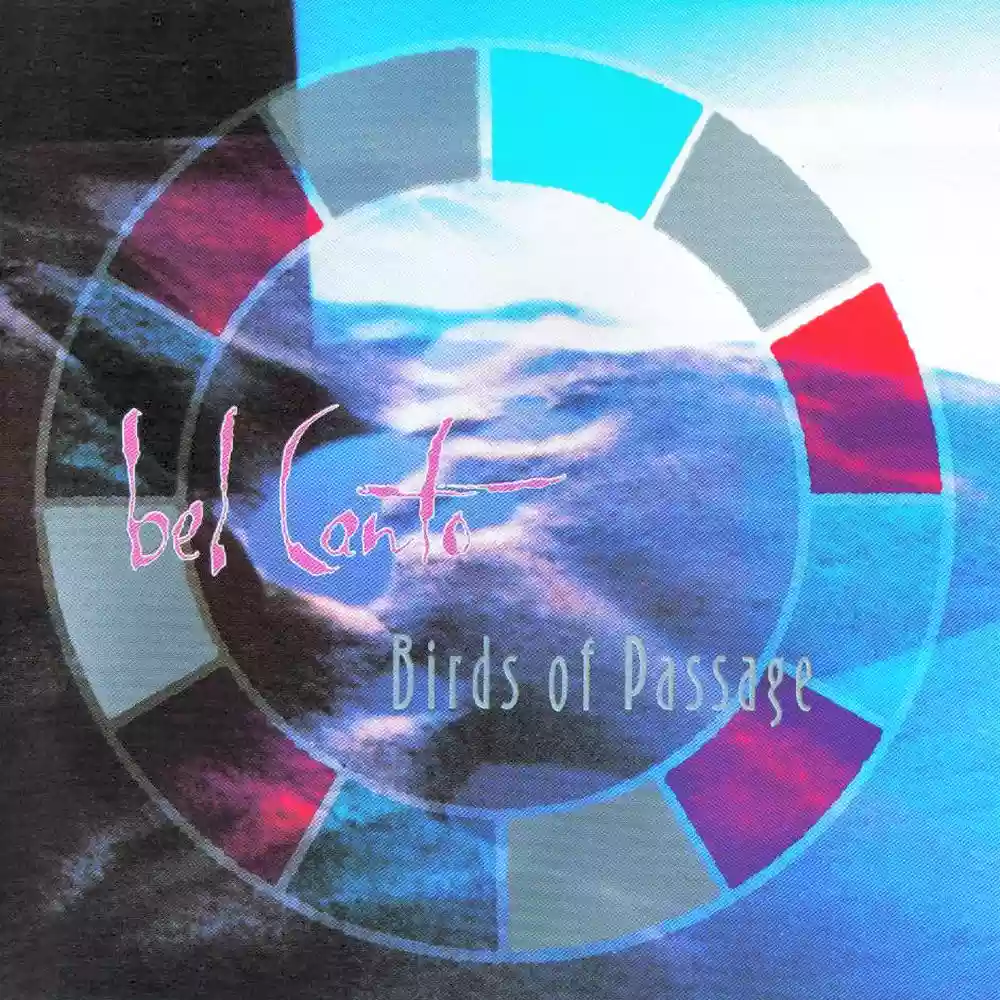
The masterpiece was in the air, solely and exclusively a matter of time; with "White-Out Conditions," Bel Canto introduced themselves, demonstrating from the outset that they had the makings of champions, and with a bit more experience behind them, a clearer, more organic, and elaborate vision, as well as greater availability of economic means, the consecration was not long in coming, materializing as early as 1989 with this "Birds Of Passage," a work of art I do not hesitate to call sublime without any kind of reservation. Changing, mutable, and enigmatic, this album gracefully slithers into the listener's psyche despite the impressive deployment of winds and strings that theoretically could have weighed down the sound. As much as I try, I can't find a single flaw, even a venial one; a perfect fusion of electronic, world music, folk, and operatic pop, poetry, and spiritual elevation, many different sounds that harmoniously merge into a sensual and disorienting flow, so beautiful, pure, and uncontaminated that it doesn't even seem of this world.
Anneli sings very differently compared to the debut, often seeking a relatively low register here, a confident and linear approach that inspires the attention and reverence due to an extraordinary, almost sacred figure; a change in line with the calmer and more reflective atmospheres of the album, sometimes veering into a trip-hop contaminated by ethnic influences as in "Intravenous", a spiritual introspection in search of a guiding light, and "Birds Of Passage", hermetic poetry centered on change as the natural and inevitable order of things or pure and ethereal in a melancholic snapshot of solitude like "Picnic On The Moon", where the candid lyricism of a child's fantasy shatters against the disenchanted prose of reality. The more shamanic and dark soul of Bel Canto lives again with "Dewy Fields", where percussion and French horns mark a cadenced and martial rhythm interspersed with a hypnotic piano line, almost reliving in a more unconscious and allegorical perspective the disorientation of "White-Out Conditions" and in the dark-orchestral elegy of "The Suffering", whose words seem to echo those of Calypso, the pain of the awareness of eventually having to lose her Ulysses and return to a life of solitude, "Tears won't help me find the reason why you suddenly disappeared out of my sight, I was mistaken but now I'm sure, I love you still but silently inside I know my feelings won't change your mind". Rem
Loading comments slowly
Summary by Bot
Bel Canto's 1989 album Birds of Passage is hailed as a sublime masterpiece blending electronic, folk, and operatic pop elements. The album showcases Anneli Drecker's matured vocal style and explores introspective themes with a mix of atmospheric textures. Rich in poetic and spiritual depth, the album remains flawless and enchanting.
Bel Canto
Bel Canto is a Norwegian electronic/dream-pop group from Tromsø, formed in 1985. The original trio featured Anneli Drecker, Nils Johansen, and Geir Jenssen (later known as Biosphere). Key albums include White-Out Conditions (1987), Birds of Passage (1989), and Shimmering, Warm & Bright (1992).07 Reviews
Other reviews
By giovanniA
The album never becomes monotonous or confined to an unchangeable stylistic dimension.
Bel Canto presents a lively and curious work, destined to remain in the hearts of only a few enthusiasts.
