
 •
Rating:
•
Rating:
THE REVIEW
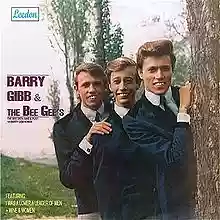
Three brothers: Barry, Robin, and Maurice, at the time just a little older than teenagers. They would go on to start a legend, establishing themselves as one of the most refined and creative pop groups (as well as one of the most successful) in history, but in 1965 the Gibb brothers certainly couldn't have known that: they were still a small local reality, and in fact, their first album was released only in Australia by Leedon Records. As easily inferred from the title, the leader and sole composer is the older brother Barry (19 years old at the time); obviously, it's a still unripe album, with a clear Beatles influence, yet, more than fifty years after its release, these 14 songs retain their young and carefree appeal intact. The refinement and care for melodies and arrangements that would characterize the entire first phase of their career are still to come, but here there is all the freshness, passion, and naivety of a debut.
In some songs, the shadow of the four baronets from Liverpool is all too overwhelming: the catchy beat of "You Wouldn't Know", "Peace Of Mind" and "To Be Or Not To Be" and the sweet and lilting melodies of "Don't Say Goodbye" and "Take Hold Of That Star" are examples of a sound that, although pleasant and catchy, is definitely too impersonal and standardized. Youthful peccadillos that can be forgiven without much thought, also because even by 1965 the Bee Gees have something extra, the trio "Timber"-"Claustrophobia"-"Could It Be", pills of lively and carefree merseybeat; on a more creative level, we find "I Was A Lover, A Leader Of Men" and "Wine And Women", lively songs with a waltz rhythm, rising further with the exquisite ballads "And The Children Laughing" and "Follow The Wind", early examples of that sweet folk purity that would become a trademark of the trio in later years.
"How Love Was True" is characterized by a very subtle vein of sweet psychedelia in its calm progression, but the gem of the album is undoubtedly "I Don't Think It's Funny"; without exaggeration, this song should be counted among the great classics of Ours: a soft and simple ballad with a heart of gold, in which Robin's unmistakable voice perfectly interprets a melody already up to the masterpieces of Pop that will follow this semi-unknown debut.
As someone sings, these are just fourteen little songs, nothing more, nothing less, yet it's impossible not to become attached to this album, in 1965 the Bee Gees are a debuting group, and this LP's is a childhood pop, in every sense: this is its limit but also its greatest strength and reason for appeal.
Loading comments slowly
Summary by Bot
The Bee Gees' 1965 debut album, 'The Bee Gees Sing And Play 14 Barry Gibb Songs,' showcases the youthful energy and early Beatles-inspired sound of Barry, Robin, and Maurice Gibb. While still unpolished, the album captures their fresh passion and hints at the iconic pop legacy to come. Memorable ballads and catchy merseybeat tracks make it a charming and timeless collection despite its evident debut limitations.Tracklist Lyrics Videos
Bee Gees
Bee Gees were a British pop group formed by brothers Barry, Robin and Maurice Gibb, known for close vocal harmonies and major hitmaking success across multiple eras, especially the late-1970s disco period.11 Reviews
