
 •
Rating:
•
Rating:
THE REVIEW
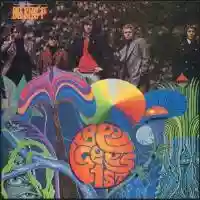
After the almost unnoticed yet excellent debut of 1965, the Bee Gees began to make a name for themselves the following year with the album "Spicks And Specks": the style, though at times quite rough and with some stylistic slips, is already more mature, varied, and personal; the beautiful title track becomes a huge hit in Australia, and with the interest of figures like Brian Epstein and Robert Stigwood, the doors to the international market open for the Gibb brothers. 1967, the time is ripe, Barry, Robin, and Maurice are authentic powerhouses of ideas and sounds, they have now perfected their sound, and the great opportunity will be seized in the best possible way.
Simple yet refined melodies, wonderfully effective and evocative, light and dreamy atmospheres, delicate psychedelic influences, and practically omnipresent orchestral arrangements, at times baroque without ever being pompous and redundant: these are the defining traits of the dazzling international debut of the Bee Gees: 1st by name, 3rd in fact, the album is driven to appreciable commercial success by singles like "To Love Somebody", a passionate ballad with almost soul tones, which already anticipates the style of the subsequent albums "Horizontal" and "Idea" and especially two masterpieces like "New York Mining Disaster 1941" and "Holiday". The first tells in the first person the emotions and hopes of a miner trapped underground, showing a photo of his wife to a colleague; with an almost folk/singer-songwriter style, it creates a strong sense of empathy and participation, while the second is pure psychedelic pop: organ, music box, orchestrations, choirs, dreamy and melancholic singing, liquid atmospheres that seem to come out of a dream.
With singles of such quality, the rest of the album could have been mere filler as often happened at the time, yet it is here that "Bee Gees 1st" makes a difference: every song is a surprise, a little invention; the light of inspiration shines throughout the album, the almost epic neoclassicism of "Turn Of The Century", "Close Another Door”, where beat and psychedelia chase each other, the cheerful folk divertissement "Red Chair Fade Away", the fascinating baroque pop of "Cucumber Castle", the delightful British-styled piano-pop of "Craise Finton Kirk Royal Academy", the sinister Gregorian choirs that intersperse the enigmatic "Every Christian Lion-Hearted Man Will Show You", reminiscences of youthful beat ("In My Own Time", "Please Read Me") and suggestive ballads ("One Minute Woman", "I Can't See Nobody").
Even while continuing to produce excellent albums in the following years, the Gibb brothers would never again reach such heights: this album imbued with style, inspiration, elegance, and creativity will remain the most precious gem of their career, as well as one of the greatest masterpieces of pop music, even ahead of the Beatles' "Abbey Road" and the Kinks' "Village Green Preservation Society". A marvel to rediscover.
Loading comments slowly
Summary by Bot
The Bee Gees' 1st album is celebrated as a mature and creative breakthrough for the band. Featuring refined melodies, rich orchestration, and evocative psychedelic pop, it marks their international debut with standout tracks like "To Love Somebody" and "New York Mining Disaster 1941". The album is considered their creative peak and a classic of 1960s pop music.Tracklist Lyrics Videos
Bee Gees
Bee Gees were a British pop group formed by brothers Barry, Robin and Maurice Gibb, known for close vocal harmonies and major hitmaking success across multiple eras, especially the late-1970s disco period.11 Reviews
