
 •
Rating:
•
Rating:
THE REVIEW
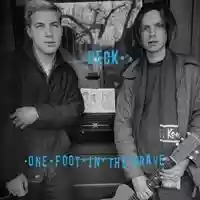
"He's a mighty good leader... He's a mighty good leader..." a few forgotten blues chords introduce a deep and naive singing by Beck Hansen. A traditional song, previously covered by Skip James, is the first track of "One Foot in the Grave", one of the rawest episodes by the then twenty-four-year-old American. It’s among the most lo-fi albums in the discography, where blues and folk roots dominate, reinterpreted in the artist's off-key attitude, though far from the sound irreverence of "Stereopathetic Soulmanure". With this song, the artist immediately explains the nature of the album, a work much simpler technically than "Mellow Gold", but deeply serious and inspired.
On the cover, besides our artist, is Calvin Johnson. The album, recorded in the Studios of K Records, could not help but revive the ingenious inspiration of the early Beat Happening, which leads the author to choose a simple composition of the tracks, sometimes very short (among all sixteen tracks only two exceed three minutes), with poorly tuned guitars, slightly electrified, few percussions, but that create an intimate, deeply evocative and emotional atmosphere.
In an almost solemn tone, Calvin Johnson's singing accompanies the young singer in "I Get Lonesome", a track suspended in the void, where a drum relentlessly marks the rhythm of the awareness of one's solitude. The sense of disorientation of certain tracks (such as "Sleeping Bag", "See Water", "Hollow Log") recalls that of the young Leonard Cohen, yet maintaining Beck's surreal and ironic poetry.
In "I've Seen the Land Beyond" the artist manages to depict the American countryside like a child's watercolor. "Cyanide Breath Mind" reaches an emotional peak when our artist suggests responding with a branch to credit requests and chewing on grass. The frustration experienced upon waking and realizing that the sweet encounter with the girl you are madly in love with was just a dream is faithfully reproduced in "Girl Dreams". A bit of dirty garage is offered in "Burnt Orange Peel", while only the dirt remains in "Ziplog Bag". There you have it, now you know why you have to listen to this album.
Not that the rest of the album is not worth listening to, quite the contrary. True gems of lo-fi. The more than 168,000 copies sold in the United States, which required Universal to reissue it in 2009, can be an indicative figure that it is an album that has left a lasting imprint over time, although initially misunderstood. An album that manages to maintain the early "country-filth" style while revealing profound artistic maturity. To your listening and judgment.
Loading comments slowly
Summary by Bot
Beck’s 'One Foot in the Grave' is a raw, lo-fi album dominated by blues and folk roots. Released when Beck was 24, it features simple, intimate compositions with off-key, emotional singing. The album’s minimalistic production and evocative atmosphere recall early Beat Happening and young Leonard Cohen while showcasing Beck’s unique poetic style. Initially misunderstood, the album gained lasting recognition and was reissued due to its enduring impact.Tracklist Lyrics Videos
Beck
Beck Hansen is an American singer-songwriter known for an eclectic catalog that blends alternative rock, folk, hip-hop and pop, with sharply different styles from album to album.20 Reviews
