
 •
Rating:
•
Rating:
THE REVIEW
Who killed Mr. Moonlight?
Peter Murphy embodies the most extravagant and theatrical aspect of the entire darkwave movement. It was perhaps in his wake that the devotees of the time started dressing in black, using makeup and teasing their hair, turning the genre into a stereotype in the eyes of the public. But the influence of the dark prince did not stop at a merely aesthetic level. He also gave a significant push to intensify what characterized the movement's thoughts, under certain aspects, with all the weight of lyrical depression and hermetically decadent poetry.
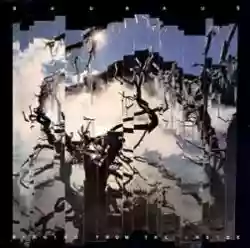
From the discography of Bauhaus (a name that recalls the famous German art school closed by the Nazis), this latest studio work "Burning From The Inside" is perhaps the least famous and appreciated work of the Northampton group, but not for this reason the least successful. The album is certainly the most instrumental and experimental they have created.
Murphy, in fact, due to health issues, participated much less in its recording compared to the previous albums, which had been constructed around his persona, and this allowed the other members more freedom of expression. Perhaps this is precisely why "Burning From The Inside" enjoyed and still enjoys less consideration compared to its predecessors.
Personally, however, I find this album more fascinating than the others, even if, obviously, less seminal. For a newly initiated explorer who has delved quite recently into the dark and dramatic depths of the gothic and dark genres, there is nothing better than letting oneself be carried away by the melancholy and grace of ballads like the haunting "King Volcano", with its ritual dance, the touching and penetrating "Who Killed Mr. Moonlight", in which Murphy's voice gently accompanies us towards oblivion, the psychedelic "Slice of Life", the long-awaited "Kingdom's Coming", and my favorite, "Hope", with its obsessive and hypnotic refrain.
To be clear, tracks like the opener "She's in Parties", with David Jay's bass pumped to the max, the rhythmic ride of "Antonin Artaud", or the nine minutes of sonic suffering of the title track, hold up well against the past, but, in my opinion, the most intense and successful moments of the work are to be found, as mentioned above, precisely in the slower and more melodic tracks.
At this point, we only have to answer the initial question. Well, it could only have been Peter Murphy to overshadow the moonlight, plunging us into the darkness of the deepest night.
Loading comments slowly
Summary by Bot
Burning From The Inside is Bauhaus' lesser-known yet deeply fascinating album, marked by experimental sounds and rich melancholic ballads. Peter Murphy's limited involvement opened creative space for other members, resulting in a unique darkwave experience. The album balances intense tracks with slower, melodic tunes that captivate listeners. It remains a compelling choice for those exploring gothic and darkwave genres.Tracklist Lyrics Videos
Bauhaus
Bauhaus are an English band from Northampton widely associated with gothic rock and post-punk, noted for Peter Murphy’s theatrical vocal style and influential early releases such as “Bela Lugosi’s Dead” and the album “In the Flat Field.”14 Reviews
