
 •
Rating:
•
Rating:
THE REVIEW
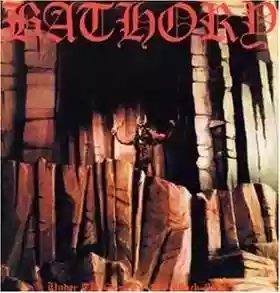
This is in my opinion the most important work by Bathory from the genius Quorthon (RIP). For three reasons.
The first is that it is the first album that can be defined as Black Metal in every respect. Those who place the birth of Black in 1990/91 with bands like Mayhem, Darkthrone, Burzum, and Immortal are right because a single album doesn't make a genre. However, this album is already Black Metal. In 1986. You can tell from the riffs: chained, distorted, obsessive, and confusing, with the hiss in the background, not thrashy like in the first two albums. You can hear it from the screaming, piercing and torn, literally desperate. You can tell it from the lyrics, which explore the essence of evil in all its forms, from the demonic, to war, to vampirism.
The second is the influence it had on the early black bands of the 90s. This album has been truly plundered, not only in themes and setting but also in every part, especially by Emperor (although given the complex sound of the latter, it is almost unnoticed). The third reason is trivial: the album is wonderful. Varied, inspired, fierce, and melodic, violent and alluring. Who cares about influences, history, importance! This album is a bomb, and it is good to listen to it (blast it into your ears) as such! The music starts with "Massacre", a track opened by a slow, almost imperceptible instrumental, where the sound of the wind and a distant melody follow one another, like a prelude to the real battle that will soon erupt. The sound assault will be devastating: an opener that is truly crushing. Fundamental is the second song, "Woman Of Dark Desires", which talks about the condition of Elizabeth Bathory, the legendary Hungarian countess-vampire from whom the band takes its name, who used to bathe in blood to stay young. A hammering drum machine, not exactly black, programmed to shatter eardrums and solos that seem to come from hell.
In short, the further you go into the listening, the less you believe your own ears. It is followed by the slower "Call From The Grave", the piercing "Equimanthorn" up to the greatest masterpiece in an album of masterpieces: "Enter The Eternal Fire". An indescribably beautiful song, it is a manifesto of the genre. Every comment is superfluous. Quorthon's screaming becomes incredibly expressive in this slowly and engaging progressing track, up to the chorus, ending with the excruciating screams: "noooo, nooooooooo noooooooooooooooooooohhhhhhhhhhh"! The songs that follow remain high level, perhaps slightly inferior compared to the first 5, but nonetheless excellent: "Chariots Of Fire", another brilliant piece; "13 Candles" slower, demonic, fierce, and "Of Doom", dedicated to the band's supporters around the world. A grinder as a worthy conclusion to the album.
Needless to say, it is an album for the insane and devoted to musical extremism. If you think you are and do not possess this album in some way, remedy it as soon as possible!!!
Loading comments slowly
Summary by Bot
This review praises Bathory's 1986 album as one of the first true black metal albums, highlighting its innovative riffs, piercing vocals, and dark lyrical themes. It emphasizes the album's huge influence on later black metal bands, especially in the 1990s. The reviewer admires specific tracks like 'Massacre' and 'Enter The Eternal Fire' as genre-defining. Overall, the album is described as a powerful and essential listen for fans of extreme metal.
Bathory
Bathory was a Swedish extreme metal project led by Thomas “Quorthon” Forsberg, widely credited as a key early architect of black metal and an origin point for Viking/epic metal. The project began with raw, satanic-leaning black/thrash records and later shifted toward epic, Norse-myth inspired works such as Hammerheart and Twilight of the Gods. Forsberg died in 2004.26 Reviews
