
 •
Rating:
•
Rating:
THE REVIEW
Norway is practically in a state of grace. It has dominated the Winter Olympics, its national football team has brilliantly qualified for the next World Cup (boasting in its ranks the best striker in the world right now), and let’s not forget the surprising Bodø/Glimt, which has all it takes to become a football fairy tale to remember. But when it comes to music, the Norwegian scene has for a long time offered both quality and variety. Especially in metal and prog, there are countless bands worth mentioning; the scene is particularly vibrant.
A recent discovery of mine from this Nordic country is AVKRVST, whose name may be unpronounceable but whose style is definitely decipherable, also because, to be honest, they don’t bring a great wave of freshness; instead, what they offer is solidity and competence. That’s why I was a bit hesitant to venture into their as-yet unfinished world. Still, they’re quite good at handling their modest mix of influences.
A little Opeth, a little Riverside—just put it that way and you’ll get the gist of AVKRVST. From Opeth, we basically have the Nordic mood, that gray and misty day, but sometimes sunny and always tinged with melancholy. You hear it in the clean guitars, both electric and acoustic, in the rough and faded vintage-touch mellotrons (if you catch an Anekdoten vibe, you’re spot on); let’s just say they sound like Opeth in their softer guise, though for the sake of coherence, every now and then, they throw in some copied growls—and it actually fits quite well. From early Riverside, on the other hand, there are the heavier moments that want to be metal but are not quite, the distorted organ sections, the sharp synth solos, the songs with wide-open, expansive atmospheres and prominent, metallic bass. And if you want to toss in a dash of latter-day Porcupine Tree, you wouldn’t be wrong either.
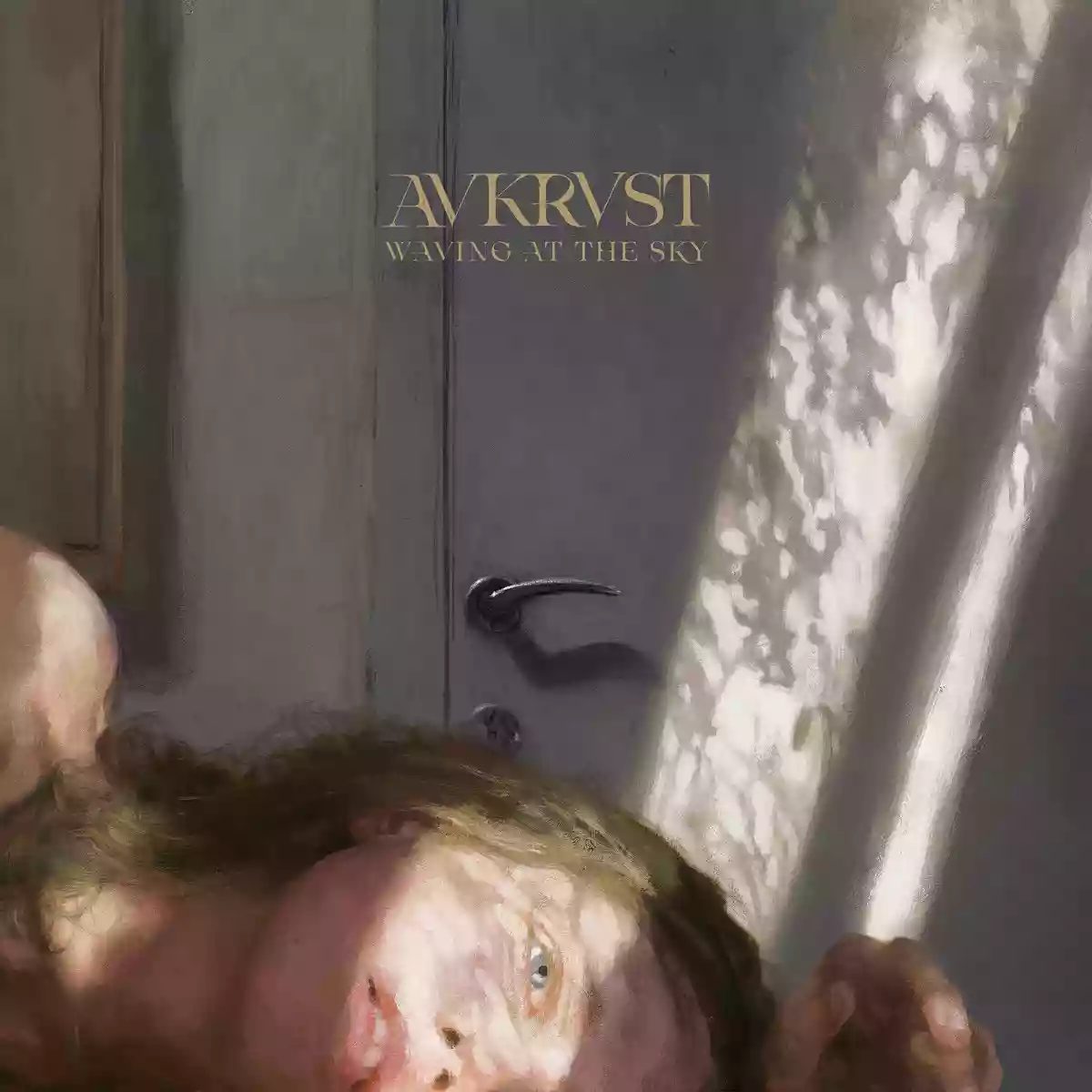
In 2025, their second album, “Waving at the Sky,” was released, which I personally consider both a step backward and forward at the same time compared to the first. Backward because the atmospheres are less expansive and less deeply explored—there was more melodic and atmospheric depth in the first one. But it’s a step forward as well because it reveals a more direct side that was missing before, and to be honest, for a prog band, showing a less complicated version of themselves means moving forward, not backward. Plus, in doing so, they offer more contrast within the album, with the more direct tracks alternating nicely with the deeper ones.
In the first group, we naturally include the instrumental intro “Preceding,” the following “The Trauma,” and the less brilliant “The Malevolent” (sung by Ross Jennings from Haken, whom I’ve always considered an overrated singer but who, it seems, is popular enough to be called in for guest spots now and then); these tracks’ main strength is their abrasive rawness, driven by a prickly guitar/bass partnership, but they also have melodic openings that truly leave a mark—when those arrive, the gray mood turns absolutely luminous.
In the second category, we find “Families Are Forever,” with its gentle, swinging rhythm, soft and caressing guitars, and keys that are gray yet radiant at the same time. “Ghosts of Yesteryear” is the perfect Nordic and foggy song: its structure is pretty precise, first hitting you hard with guitar, bass, and a driving rhythm, then calming down and caressing you with dense, evocative mellotrons, leading you right into the heart of the mist and making you breathe it in deeply—for me, it’s the best track on the album. And what about “Conflating Memories,” a song that might feel light at first but with repeated listens comes out impressively, dark and moderately anguished in its first part, then flashier but always quite nocturnal in the second half, with dreamy guitars riding on luminous organ backdrops. And then there’s the long, well-expanded track: slow but dense at first, energetic in the second part with lively guitars, spiky synth leads, and biting organs, all the way to a dissolving finale reprising the opening track; a song reminiscent of the more complex, ambitious Riverside, like on compositions such as “Second Life Syndrome” or “Escalator Shrine.”
In conclusion, we are not dealing with anything revolutionary here, but we do have a solid representation of Northern European prog.
Loading comments slowly
Summary by Bot
The review evaluates AVKRVST's album 'Waving at the Sky', highlighting both its positive and negative aspects. While the album showcases strong musicianship and creative ideas, it may not fully captivate all progressive rock fans. The reviewer provides a balanced critique, discussing notable tracks and overall listening experience. The final impression leans towards appreciation but with reservations. Listeners are encouraged to draw their own conclusions.
AVKRVST
AVKRVST is a Norwegian progressive rock/metal band. The group released its debut album The Approbation in 2023 and followed with Waving at the Sky in 2025.01 Reviews
