
 •
Rating:
•
Rating:
THE REVIEW
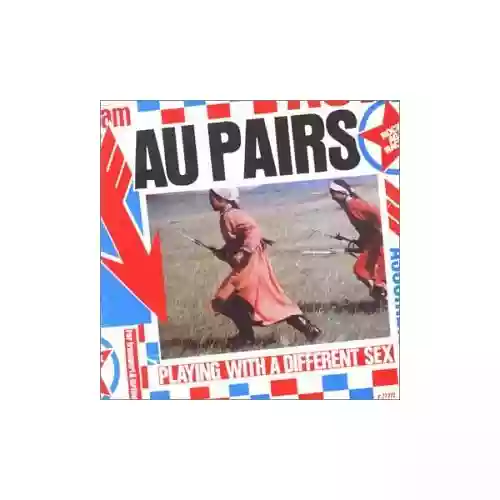
A pulsing bass at the forefront, precise and crisp rhythmic section, with a black extraction, two rough yet gentle guitars, and above it all, the splendid raspy voice of Leslie Woods. This is what the Au Pairs were, bleach funk in Birmingham, a contemporary band, in style and sensibility, of Gang of Four, Delta V, and Ludus, but above all, a band thrown into oblivion without a reason. Broadly speaking, if the music of this "Playing with a Different Sex" is very close to that of other English bands, it must be said that none can achieve the grace and lightness of this album, which seems completely purged of noise and any superstructure, yet it runs very fast, fresh, and truly enjoyable.
In this album, the tracks seem to fit perfectly, the two men in the band (Peter Hammond on drums and Paul Foad on guitar and an apt shrill and somewhat whining counterpoint) and the two women (the talented Jayne Munro on bass and Leslie Woods on guitar and vocals), the rhythm and the medium maintain a precarious but tenacious bond, the committed lyrics, and the alluring dance variations. The political dimension, as with Gang of Four, is an essential part of the band's success, but the lyrics are more pervaded by irony, or more often by sarcasm, which makes you smile, and think, and all in all, they don't even seem too dated. It starts with "We're So Cool," a deluge of bleach funk, fast and spicy. It continues with "Love Song," a brilliant slow track, yet always rhythmic on the empty clichés of romance women expect from men ("A touch of glance/a slow dance/it's so-classified romance/purpose, lust and charme/dance to an old refrain/I love you /I love you/I love you"), followed by the very light and refined "The Set Up" before exploding with "Repetition," one of the grooviest tracks on the album. A track that stands out is the martial "Armagh," a song about Northern Irish women's prisons, which starts with a very hard indictment ("we don't torture, we're civilizated, we avoid any conversation... we don't torture... we don't torture?") and "It's Obvious," a beautiful dance song, sexy in just the right way and at times irresistible ("we're equal... but different").
This record would not be the same without not only the haughty voice of Leslie Woods but also without her essence as an artist, as a militant feminist and lesbian woman; Leslie Woods, with her murky and ambiguous charm, stands on this record like a trail of perfume left by a beautiful woman.
Loading comments slowly
Summary by Bot
Playing With a Different Sex by The Au Pairs is a sharp, fresh post-punk album blending bleach funk rhythms with incisive political and feminist lyrics. Featuring Leslie Woods' distinctive raspy voice, the album balances groove and irony, tackling topics like romance clichés and women's issues with wit and intensity. The musical interplay among the band members is precise yet dynamic, creating an enduring, vibrant sound. It's a highly recommended classic that remains relevant and engaging decades later.Tracklist Lyrics Videos
Au Pairs
Au Pairs were a British post-punk band from Birmingham, active from 1978 to 1983. Led by Lesley Woods, they became known for taut, danceable arrangements and politically charged, feminist lyrics. Their debut, Playing With a Different Sex (1981), was followed by Sense and Sensuality (1982).01 Reviews
