
 •
Rating:
•
Rating:
THE REVIEW
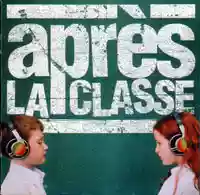
It's 2002, and a group of young people have decided it's time to step out of anonymity, out of basements and small disco pubs, to release this first, hard-fought work. This album is the fruit of the imagination of six young people from Salento (Cesko Arcuti, Francois Rekkia, Valerio "Combass" Bruno, Luca "LuFeru" Ferro, Dj Cordella, and Puccia) who, tired of the "usual" music they hear playing, want to bring a breath of fresh air to the stereos and parties of Salento, and they succeed.
Arcuti’s musical flair (composer and author of most of the "sound material") takes us by the hand and leads us into a whirlwind of cheerful, captivating, and engaging music. It starts right away with the intro "Parentesi in musica," which emphasizes: "Non si può fermare, no non si può fermare, fermare la musica"... a slow and almost hypnotic rhythm, the brass section coordinated by LuFeru marking the time that wants to prepare for the burst of energy that follows with "Ci sei solo tu" and especially with "Paris," the latter used in advertising (this was their national launch). If you're not already tired of dancing, the crazy ska of "Ricominciamo" explodes, a flagship piece in the group's history that unleashes mosh pits and ovations at every live performance of theirs. A carefree reinterpretation of a staple by another illustrious Salentino like Pappalardo, brought to our times, a reggae patchanka with few equals that shines for its uniqueness and freshness.
We relax a bit with "La stagione dell'amore c'è," with Ferro's trumpet still taking center stage, introducing "Lu rusciu te lu mare," a classic popular Salento piece reinterpreted in a rock style. After an instrumental interlude, there are still tributes to Salento, first with "Lu sule, lu mare, lu ientu" and then with the reinterpretation of "Kalinifta," another popular song masterfully sung by Cesko in perfect Griko (an ancient dialect with Greek and Albanian influences), featuring an irresistible refrain. We are nearing the end of a love song for a land that is unparalleled, and "Terra" is a clear statement of intent, the pain of a son who has to leave "questa terra caliente dal profumo inebriante", so beautiful yet so difficult. It ends with the ballad "Senza rumori di città," with the sea in the background and Cesko's voice almost like a flute, ideally bidding us farewell with one last postcard, a summer sunset that remains etched in memory.
The Aprèss are all this, they are a mix of rock, ska, and reggae meant to make us dance and sweat in live shows, a tarantulated and liberating dance like this music, born of a varied and colorful culture. Enjoy the music... e mo burdellu!
Loading comments slowly
Summary by Bot
Après la Classe’s debut album released in 2002 captures the vibrant spirit of Salento through a lively blend of rock, ska, and reggae. Highlighted by Cesko Arcuti’s inspired compositions, the band brings fresh energy to traditional sounds and live shows. Their work includes engaging reinterpretations of local classics and lyrics in the ancient Griko dialect. This album is both a celebration of cultural roots and an invitation to dance and enjoy.Tracklist Videos
Après la classe
Après la classe are a Salento (Italy) ska/patchanka group active since 1996. Their 2002 self‑titled debut mixed ska, reggae and local folk, pushing Paris and Ricominciamo into heavy rotation. Un numero (2004) refined production while Luna Park (2006) leaned rock after the trumpet section’s exit. A ferocious live act, they weave Salento identity into songs like Sud‑Est and collaborate across the local scene.05 Reviews
