
 •
Rating:
•
Rating:
THE REVIEW
And the 20th century has kicked the bucket. It's over, or rather, it's dead: the Sixties are dead ("Prendi questa mano zingara", it seems like something from Galileo's times); the Seventies are dead ("Tu mi rubi l’anima" and not only that...); the Eighties are dead ("Cosa resterà di questi anni Ottanta," Raf asked sardonically) and the Nineties have died sadly pure (those in which Britney Spears sells millions of copies and Lucio Battisti stops at thirtieth place with the beautiful "Hegel"). Certainly, many things have not been lost: Jimi Hendrix, Bob Marley, Fabrizio De André, Bob Dylan, Rolling Stones, the early Michael Jackson, Battisti, perhaps the Beatles, De Gregori, and Venditti.
Here, Venditti. "In questo mondo di ladri" even Venditti is dead. Model songwriter, upright artist, bard of a city (and a culture), ardent Roma supporter, excellent musician, leftist not in love with a certain left. If even the author of some of the most striking songs of the last twenty years (think of "Bomba o non bomba," "Ci vorrebbe un amico," "Ricordati di me") starts to hum very low-quality songs, well, it means we've really reached the end of the line. What do I know: it’s like Mick Jagger starting to sing "Genie in a bottle" by Christina Aguilera. Bleah!
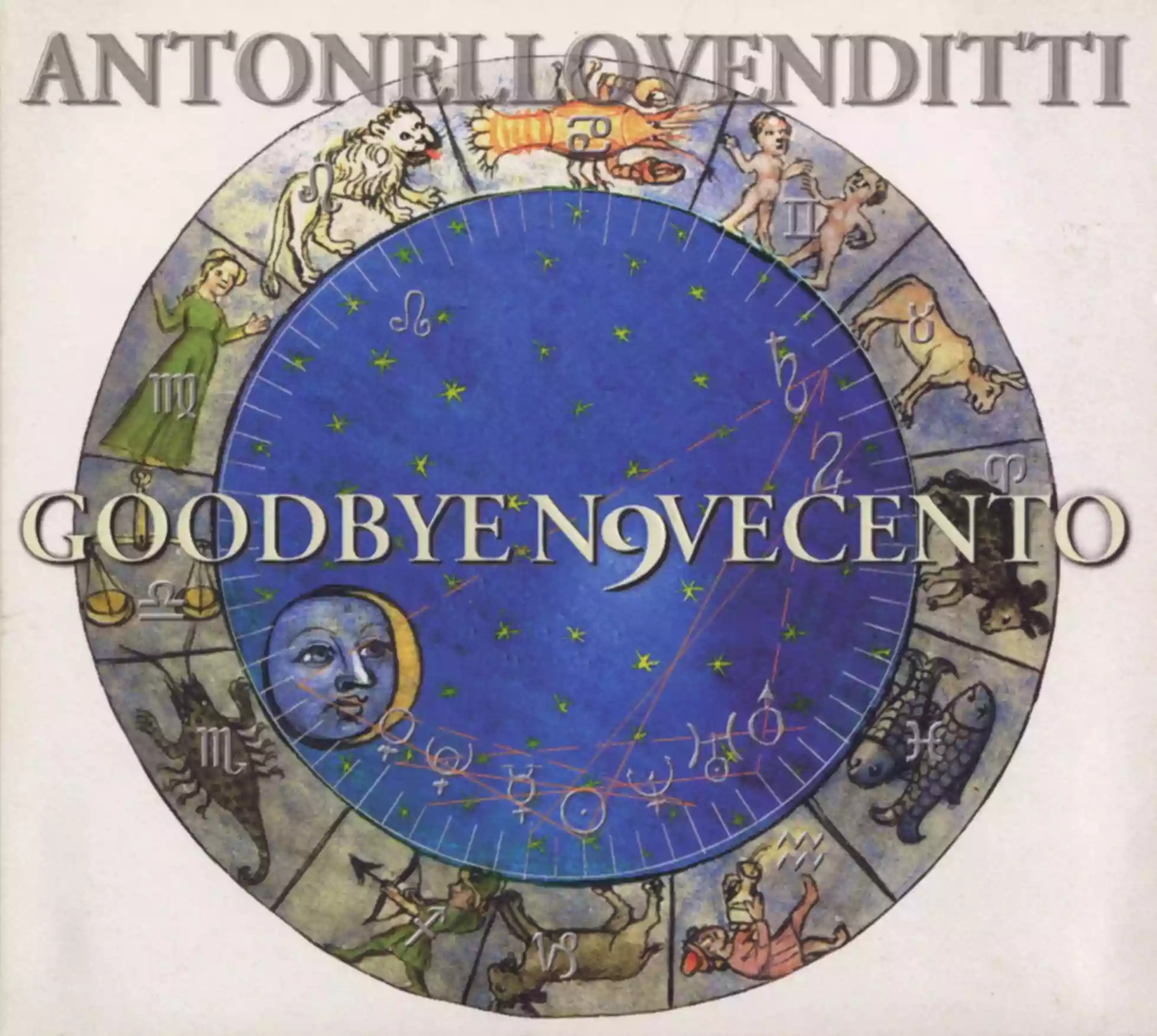
"Goodbye Novecento" exclaims Venditti, but his is a mournful farewell, almost ethereal. An album composed of 8 songs must have at least one, I say one, at least decent. And yet no. Here the only decent thing is the cover. "Che tesoro che sei" is one of the most ridiculous and insipid love songs ever made ("Che tesoro che sei quando mi guardi quando penso con gli stessi occhi tu mi lascerai": anyone moved?); "La coscienza di Zeman" makes you miss "La partita di pallone" of pavoniana memory; "In questo mondo che non può capire" you fall asleep, then you wake up, then you fall asleep again. No comment on the laments of Marxist memory on which Venditti ponders (and regrets) in the very dull "Fianco a fianco".
Embarrassing lyrics are contrasted, curiously, by lively and sustained music. Some musical insights (the beautiful guitars in "V.A.S.T.") are not contemptible but indeed, at times they recall the beautiful melodies of the old Venditti. But it's just a jolt, a moment that fades without almost ever having been ignited.
Perhaps it is better that this old, hateful, battered, sad century has reached the end of the line. It is dead, and like all the deceased after the funeral, the reading of the will is practiced. In the new century (which doesn’t seem better than the previous one) let’s bring only good memories ("Don Giovanni" and "Blowin in the wind" according to myself) and forget, as quickly as possible, all the junk of so many so-called songwriters no longer with flair nor genius.
"Goodbye Novecento". Goodbye.
Loading comments slowly
Summary by Bot
This review expresses disappointment in Antonello Venditti's album Goodbye Novecento, finding its lyrics weak and uninspiring. Despite some lively instrumentation, the songs fail to meet expectations. The album reflects a mournful and dull farewell to the 20th century's music era. Only the cover art is spared criticism. The review laments the decline of Venditti’s once striking songwriting.Tracklist Lyrics Videos
Antonello Venditti
Antonello Venditti (born in Rome, 1949) is an Italian singer-songwriter and pianist. Rising from the Folkstudio scene, he reached acclaim in the 1970s with politically tinged, piano-led albums (Lilly, Sotto il segno dei pesci). In the 1980s he achieved massive mainstream success (Cuore, In questo mondo di ladri) while keeping Rome and everyday stories at the core of his writing.41 Reviews
