
 •
Rating:
•
Rating:
THE REVIEW
Puglia, the real one—not the one on postcards—has two faces. There’s the seaside one: those clear mornings when the Adriatic looks like a sheet of blue glass, the Gargano coasts plunging into the water, the white beaches of Salento, the trabucchi suspended between sky and sea, and the scent of salt air weaving through the winding streets of the towns. At sunset, the sun sets everything on fire: the facades of the houses, the boats pulled ashore, even the olive trees seem to turn to gold. And then there’s the other Puglia, the one inland. The one with red earth that sticks to your shoes, endless fields stretching to the horizon, and the July sun beating down hard, “ca spacca le petre,” as they say around there. There, work begins while the sky is still dark and ends only when the cicadas have already stopped singing.
Antonio grew up there, in the middle of those fields. His father owned hectares of tomatoes and everyone in town respected him. Or maybe they were afraid of him. He was a hard man, one of those who almost never smiled. His hands were as big as shovels, his skin marked by the sun, and his voice could be heard from one end of the field to the other. With Antonio, he was never gentle. “Muév'te!” he’d yell whenever the boy slowed down even for a moment. “Don’t stare at the clouds, work.” “The crates don’t fill themselves.” Antonio was twelve when he started spending entire days among the rows. Other kids would run to the sea, dive from the rocks, or spend afternoons in the town squares. He, instead, woke up before dawn. When the sky was still black and the air smelled of damp earth, he was already out of bed.
His father treated him like any other laborer, often even worse. If he made a mistake, he’d scold him in front of everyone. If he did well, he’d say nothing. As if it was normal. As if he didn’t deserve a kind word. Yet Antonio had something special. When he walked through the plants, he seemed to understand them. He immediately noticed if a leaf was turning yellow, if the soil was holding too much water, or if a particular row needed to be pruned differently. He had an incredible eye. Once, he pointed out a spot in the field to his father and said, “Papà, these here will get sick in two weeks.” The man snorted without even looking at him. “Just focus on picking.” Two weeks later, half of that area had been hit by a plant disease. But his father never admitted he was right. Never. It was as if acknowledging his son’s talent cost him too much.
The years went by and Antonio only got better. The laborers had started coming to him for advice. The elders in the village would stop him on the street. “Uagnò, how do you make those tomatoes grow like that?” He would smile and lower his eyes. “I just watch them. That’s all.” But that wasn’t true. He studied them. He watched them for hours. He learned every secret of the land. He knew the right moment to water, the precise spot where the earth changed consistency, the position of the plants that would give the best fruit. He had a natural gift that nobody had ever taught him.
His father, on the other hand, kept demanding more and more. More crates. More hours. More sacrifices. Never a compliment. Never a hug. Never that simple phrase every child longs to hear: “Bravo.” Sometimes Antonio would see other boys arrive at the fields with their fathers. They laughed together, teased each other, stopped to eat a sandwich in the shade of an olive tree. He, instead, always worked with the feeling he needed to prove something. As if every day was an exam to pass and every mistake a debt to pay.
One August evening, after a brutal day, he was left alone in the field. The sun was sinking behind the olive trees and the sky was tinged orange and purple. A faint smell of the sea floated in on the breeze. He looked at the neat rows stretching before him, like musical staves written on the earth. He thought about all the time he’d spent there. The toil. The anger. The longing to be truly seen. Not as a worker. Not as someone to keep pushing beyond his limits. But as a son. In that moment, he understood something: his gift was bigger than that field. Bigger than the shouting. Bigger than the fear. Bigger even than his father.
Years later, when people spoke of Antonio, it was his talent that everyone remembered. That almost inexplicable ability to turn something merely alive into something extraordinary. But those who knew him well knew that behind that gift was also a child who had grown up too fast—a boy who had spent his childhood seeking an approving glance that never came.
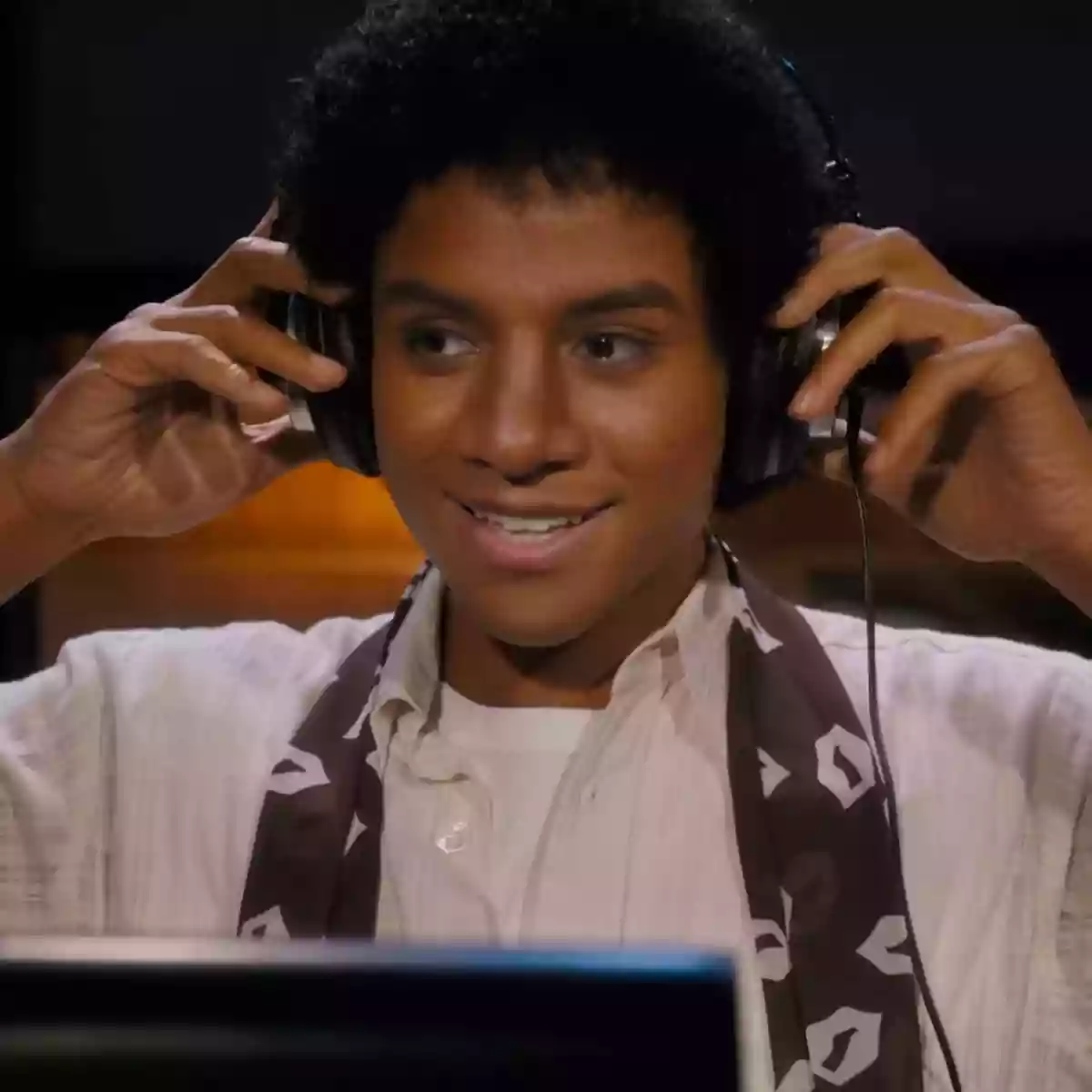
And maybe that’s why, walking out of the cinema after watching the new film about Michael Jackson, my thoughts went spontaneously to him. To those rare talents that seem to blossom under the harshest sun, cultivated with iron discipline, admired by all and understood by few. Talents that light up the whole world, but who, as children, deep down, would have given anything just to hear once: “Bravo, figlio mio.”
Loading comments slowly
Summary by Bot
The review explores Antoine Fuqua's film 'Michael', highlighting its effective direction and engaging narrative. The reviewer praises the film's ability to capture the essence of its subject. The rating reflects strong approval, acknowledging minor areas for improvement. Fuqua's storytelling and visual style are emphasized. The review suggests the movie is a must-watch for fans of biopics.
Antoine Fuqua
Antoine Fuqua is an American film director and producer known for muscular, character-driven thrillers such as Training Day and The Equalizer, alongside action pieces like Shooter and The Magnificent Seven.02 Reviews
