
 •
Rating:
•
Rating: THE REVIEW
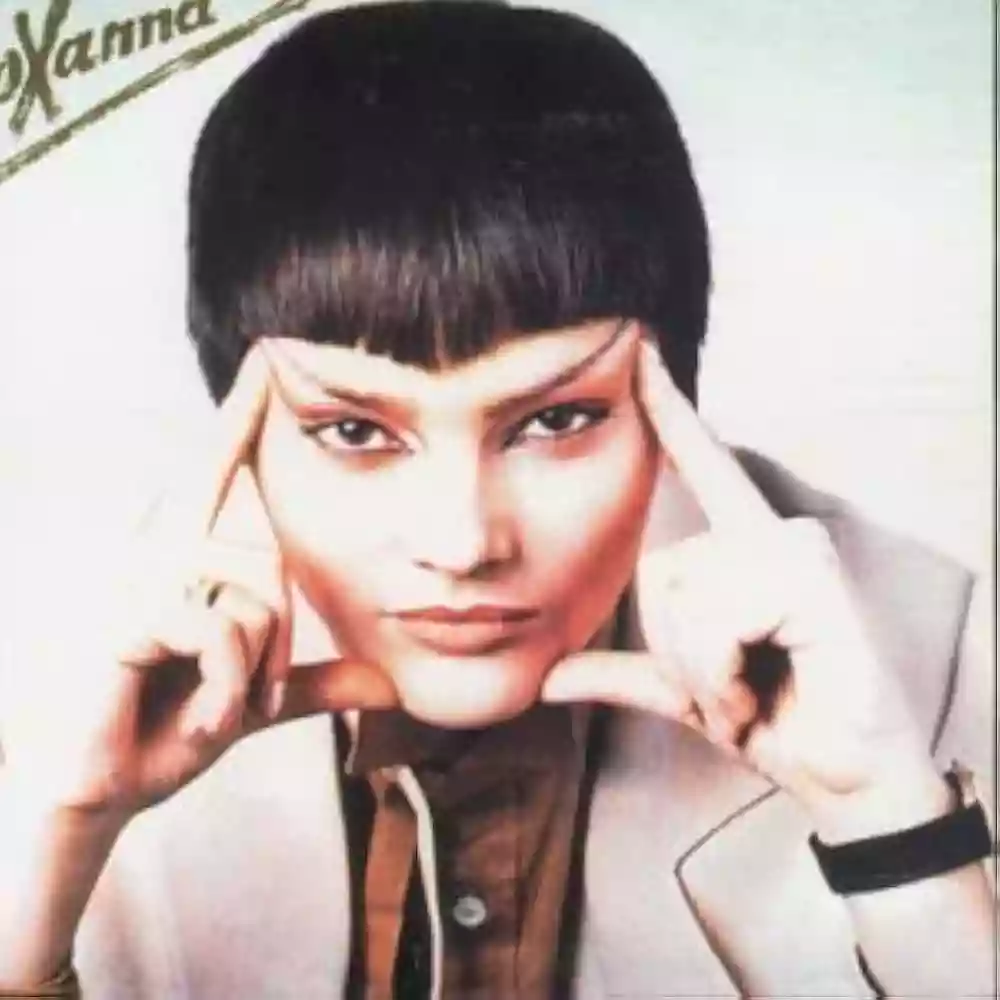
OXANNA (1978) 6/10
It could even deserve a higher score given the themes contained within, yet the debut album of a very young Anna Oxa (16 years old!) seems weighed down by arrangements that are far too old-fashioned and a couple of tracks that really don't measure up. Because at least 4 or 5 songs are quite good, perhaps even more than just good. But let’s start at the beginning.
Anna Oxa, with a truly distinctive voice for those times, appeared at Sanremo 1978 with “Un'emozione da poco” (by the Guglielminetti-Fossati duo, with the latter also signing off on other tracks from the album), carrying a little suitcase and a look (or so journalists of the time claimed) that was punk. But Anna Oxa was anything but punk—my grandmother Giovanna (God rest her soul) was more punk than her; still, the colorful, out-of-the-box persona worked and she took second place (although, aside from Rino Gaetano, there wasn’t much competition that year). Thus was born a diva—a diva who would make quite an impact on the Italian music scene throughout the ’80s and ’90s (winning Sanremo twice, once as a duet, once solo) and who didn’t shy from TV hosting gigs like “Fantastico” before falling into a sort of oblivion, and a dark mysticism, that seems to stick to her even now at 65. Incidentally, here she still sang beautifully—in other words, you could actually understand what she was saying, unlike today. Of course, backing her up were some real heavyweights for a sixteen-year-old debut: from Fossati, who was himself still very young, to Guglielminetti, Franco Migliacci, Claudio Mattone—not exactly nobodies!
“Oxanna” sold a lot, an awful lot; especially young girls seemed captivated by this seemingly rebellious figure singing daring lyrics despite the very classic arrangements, but the subjects tackled are certainly not trivial. Love is almost always portrayed as something “different” compared to the classic Italian song—a shift towards themes of toxic love, sadomasochism, sexual promiscuity, and suicide. A few years back (before these things disappeared from the scene) we might have called it emo. Or dark. It’s all told very gracefully, to be fair, but certainly doesn’t mince words. “Un'emozione da poco” strikes the listener, but even more striking, I think, is the album’s opener, which sets things straight from the start: “Fatelo con me.” The artist becomes the image, becomes the object (“...provate su di me con la mia copertina/con un ritaglio di giornale”) and talks about the commodification of the female body and extreme sexual practices (razors, cuts on the skin, tearing), although interpretations have varied: some critics have argued that it may be a reference to the objectification of oneself by the media and society. Definitely a song very ahead of its time in Italy, to which Fossati (here as author of both lyrics and music) “donates” a climax truly sui generis. As is the spot-on portrayal of a proud woman, light years away from the syrupy ones of the most clichéd Italian songs: “Sara non piange mai” (yes, it was 1978 and the feminist movement had already made great strides, but in Italy things often move slowly, much too slowly).
A bit more lightness in the fun (and wild) “Un click d'ironia,” which goes all out with extravagant references, from Elton John’s piano to Chaplin’s cane, up to “un uomo coccodrillo coi tacchi a spillo.” But, as mentioned earlier regarding the arrangements, most have not aged well, also because the album can never quite decide which musical direction to take: there are excessive blasts of electric guitar in tracks like “Un cielo a metà,” there’s the semi-twilight sax of “Tu non sei l'America,” the theatricality of the closing “Se devo andare via,” and the out-and-out pop of “Così va se ti va e questo finchè mi andrà.” In short, there’s too much going on (though diversity is never a flaw if “balanced” well), and it’s all a bit confused.
Who or what the Oxa persona truly was, perhaps even she didn’t really know (given her young age), and surely the record executives launching her with this album didn’t know either—which is nonetheless more than sufficient, albeit at times disordered and even “megalomaniacal.”
Loading comments slowly
Summary by Bot
The review expresses disappointment with Anna Oxa's album 'oXanna', rating it poorly. The critic expected more from the artist and found the record lacking overall impact. Fans might be let down by this release. The tone is direct and unsparing.Tracklist Videos
Anna Oxa
Italian singer known for a distinctive voice and Sanremo pedigree. Debuted at Sanremo 1978 with “Un’emozione da poco,” later won Sanremo in 1989 (“Ti lascerò,” with Fausto Leali) and 1999 (“Senza pietà”). She also appeared on Italian TV, including “Fantastico.”01 Reviews
