
 •
Rating:
•
Rating:
THE REVIEW
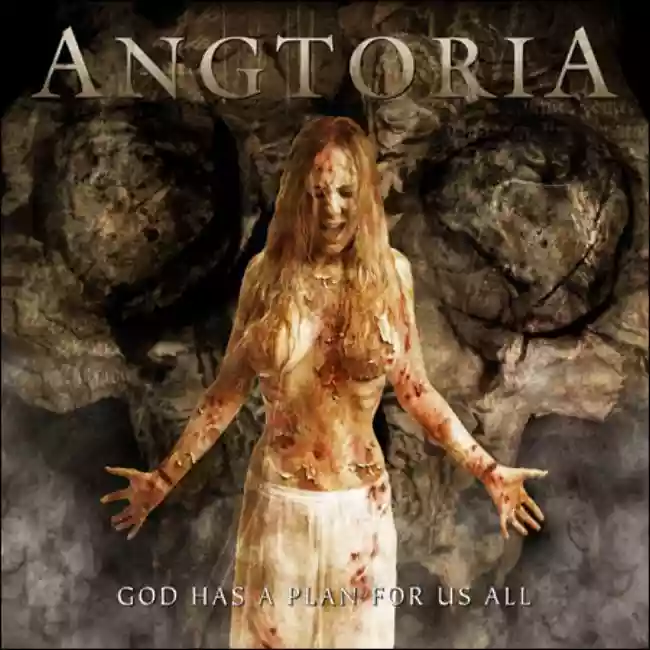
This release is a surprise. First of all: Angtoria is a creation of the famous and talented Sarah Jezebel Deva, backing vocalist for groups such as Cradle of Filth, Therion, Covenant, and other less known ones. But in this album, her distinctive throat is highlighted in an entirely different record both in composition and genre. In fact, we are far from the black-similar or otherwise extreme sounds of the aforementioned groups.
The album lives on a peculiar symphonic-power metal, at times gothic. The main attraction of the album is represented by the ethereal voice of the corpulent singer; otherwise, the album flows without excessive or sudden changes in tempo or sound: it always plays on the symphonic or even orchestral aspect of the compositions. A good quality level, however, permeates the album, which, although not excellent in terms of originality, fulfills its musical duty.
Naturally, an instrumental intro could not be missed: the album begins with the orchestral majesty of "The Awakening", a prelude to the actual album, which begins with "I'm calling", at times sweet, at times powerful as a song. Highly enjoyable, like the subsequent very melodic "God has a plan for us all". Instead, the following "Suicide On my mind" is very fascinating, transporting, and excellently sung. The following "Deilty of Disgust" is characterized by slightly oriental/Arabesque sounds, where guest Aaron from My Dying Bride also moves well, while the symphonic aspect of "The addiction" is also remarkable, a commendable song.
From here, the album starts to decline, and interesting points dwindle, favoring a pleasant monotony with songs that are more or less similar: "six feet under's not deep enough" presents a powerful gait, but insufficient, just like the rather trivial "Do you see me now". Monolithic is "Original Sin", but with melodies already heard on this album.
"Hell have no fury like a woman scorned" presents nothing new, offering interesting solutions, but I believe the best is reserved for the finals: "Confide in me" is a malicious yet enticing cover of a well-known Kylie Minogue song, and the sweet and anguishing piano ballad “That’s What The Wise Lady Said”, definitely the most significant and personal track of the entire album.
Well, there is certainly a lot to chew over: the album has the right ideas, but sometimes they are not used appropriately or are out of place. It would be good and right sometimes to limit the excessive use of orchestrations that embellish, but if used heavily and omnipresently, they have the bad habit of making a track almost pompous and pretentious, which in itself can still be good.
Therefore, it would be right for the next work to make some changes and tweaks here and there, and surely, the result would be as good as this one, but less monolithic and more concrete.
Loading comments slowly
Summary by Bot
Angtoria's debut album showcases Sarah Jezebel Deva's unique vocal style against a backdrop of symphonic-power metal with gothic touches. While it impresses with orchestral arrangements and melodic songs like 'Suicide On My Mind' and the Kylie Minogue cover, the album suffers from a lack of variety and some repetitive melodies. Overall, a solid but uneven release that reveals potential for growth in future projects.Tracklist Lyrics Videos
Angtoria
Angtoria is a symphonic metal project fronted by Sarah Jezebel Deva. The album God Has a Plan for Us All (2006) blends symphonic/power structures with gothic elements and features a cover of Kylie Minogue’s Confide in Me and a guest appearance from Aaron Stainthorpe of My Dying Bride.01 Reviews
