
 •
Rating:
•
Rating:
THE REVIEW
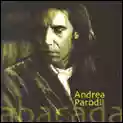
Abacada:
The first word in the Sardinian vocabulary means, 'moment of equal opposition of forces, characterized by the serene calm that precedes change and turning point'.
Exactly like those brief... intense... moments, that are not yet day and are no longer night...
Abacada a Mediterranean folk album full of Launeddas, Accordions, Bouzouki, Tamorra, Tar, Kanjira. A melange of sounds, smells, sensations, dances. Andrea has a voice, and this has been known since the times of Tazenda, from whom he takes a track in this album, he can sing, and sometimes he does so divinely.
His voice transports us to all shores of the Mare Nostrum, Maghreb, Campidano, Salento, and down to Burkina Faso. 'Abacada' in the most ancient Sardinian also means calm, in this track between Greek melodies and strummed guitar it invites us to be like animals, taking everything calmly indeed. Efix, a character from Canne al Vento by Grazia Deledda. 'Sal'entu', Salt and wind, Salento, plays on the musicality of the terms, salt and wind is Sardinia, a taranta pizzica in Sardinian the best piece, the voices intertwine, chase, and cross in the frenzy of the pizzica.
Parodi here is supported by the vocal quartet Faraualla, four incredibly talented girls, the Tenores and the taranta, a truly brilliant idea. The Tar and other instruments, which, as those who know them, take us even more east and south, to Turkey, Greece. 'Pandela', Flag: calms us from the frenzy of the previous track. It has a truly immense poetry in the poignant singing, Andrea's voice in the first two stanzas gives chills and for those who understand it makes one think of migrants scattered around the world.
"If you belong to this flag, which is the child and resembles these peoples, which come from fiery places. Who is, who are these people, dark faces waiting for us outside, crying alone. A dance, a sound and a language that we will speak. and we will sing from the beginning. For flag......"
Because when you are far from your country, your flag, what you long for, what you hope for is someone who speaks like you.
Surely this album has many limits, it's sung in Sardinian and, although the booklet has the lyrics in three languages, those who do not understand Sardinian might feel a little lost, but if one lets go to allow emotions to flow within oneself they will not be disappointed. Another limit is that "Creuza De Ma" had already been done by De André.
It would deserve Three and a Half. Anyway, I'll slip in Sample.
Loading comments slowly
Summary by Bot
Andrea Parodi's Abacada is a rich Mediterranean folk album rooted in Sardinian tradition, featuring diverse instruments and heartfelt vocals. Despite language barriers, the emotional depth transcends understanding. Collaborations with the vocal quartet Faraualla add brilliance and variety. The album explores themes of calm, cultural identity, and migration with poetic sensitivity. While not flawless, Abacada offers a unique, evocative listening experience.Tracklist
Andrea Parodi
Italian singer from Sardinia and founding vocalist of Tazenda, Andrea Parodi blended Sardinian language and traditions with world and jazz influences. He released the folk-tinged Abacada, collaborated with Al Di Meola on Armentos, and gave a moving final concert in Cagliari in 2006.03 Reviews
