
 •
Rating:
•
Rating:
THE REVIEW
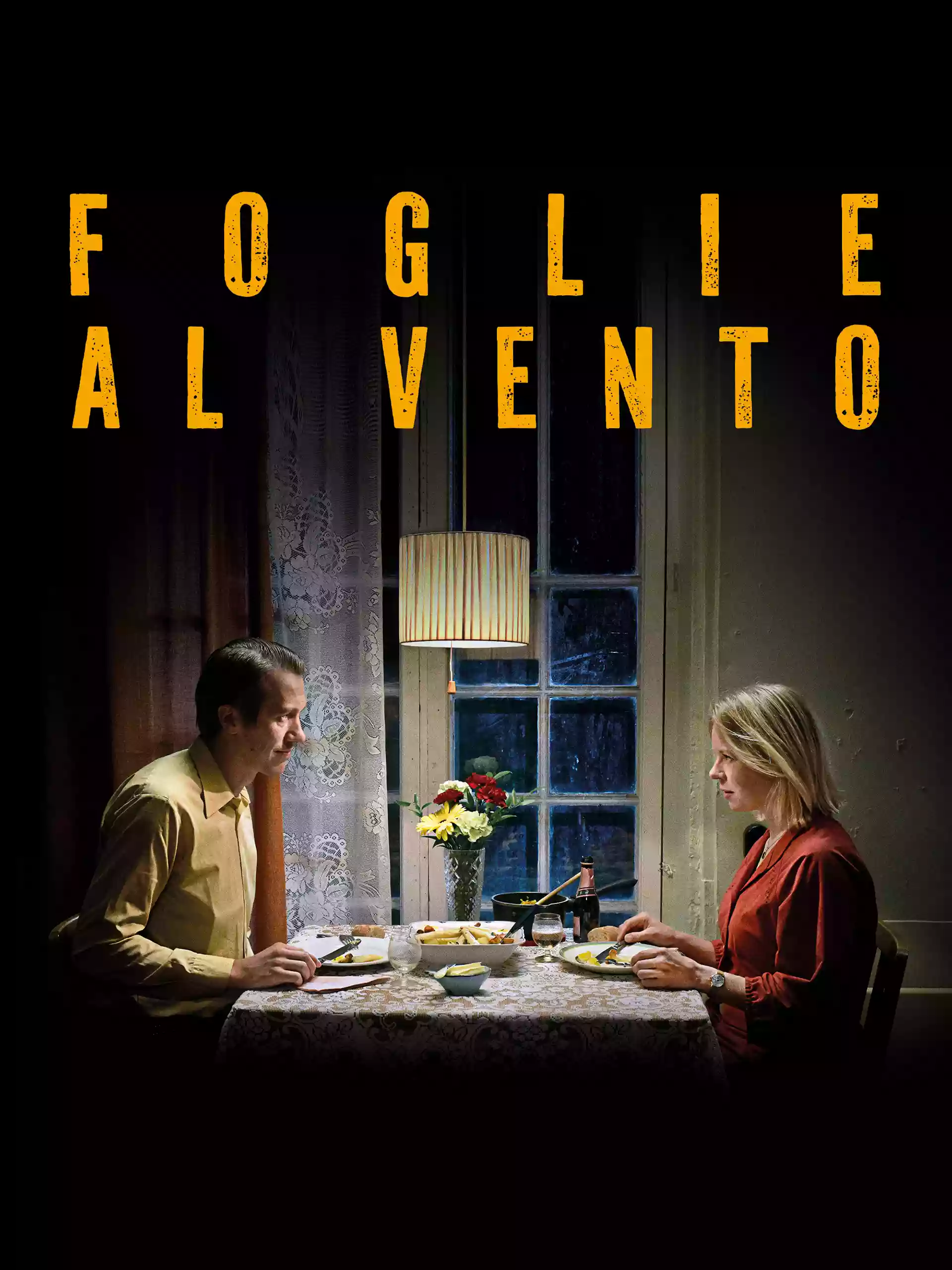
Kaurismaki (68 years old, having just celebrated his birthday) is slowly, but not too slowly, losing faith in the world and in human beings, in the dynamics of power and in interpersonal relationships. Maybe he isn’t entirely wrong, as his latest film, from 2023, "Fallen Leaves," demonstrates—a title that echoes Douglas Sirk’s 1956 classic "All That Heaven Allows." 81 minutes (credits included): pure essentiality projected onto film. As always, as in all his cinema: small tales of ordinary daily life in the poorest (and therefore most vulnerable) fabric of society, few camera shots, editing at a historical minimum, essential dialogues and no flights of fancy. What needs to be shown is shown, what is background or superfluous is left out of the frame; the viewer will understand. As usual, there is a dreamy atmosphere (those dreams from a bleak and poetic suburb), a world outside the world, a time seemingly stuck in who knows which era (perhaps none at all), and a way of telling stories that are as simple as they are never banal, with a rare modesty and, at times, so restrained as to seem cold and distant to some. Lunar, without a doubt.
Here we see two wretchedly lonely people: a cashier (fired within the very first scenes) and a factory worker devoted to the bottle. They meet by chance at a karaoke bar, like each other, start seeing each other at more or less regular intervals, a few things happen, and who knows how it will end. We’re at pure essentiality, but what Kaurismaki puts on screen is life itself, made up of oppressive and rogue employers, coworkers (and friends) trying to tweak their age to impress women, and a gray, metalworking Helsinki (with plenty of shots of the port, cranes, goods ready to be loaded and/or unloaded) that could be from 1980, were it not for the film’s only hook to reality: the constant news coming from an ancient radio, announcing the ongoing Russian attacks on Mariupol and Ukraine in general (Kaurismaki "explained" that Finland, sharing a border with Russia, feels the threat of a possible war very closely, at its own doorstep).
It’s a film within a film, with posters of past masterpieces scattered everywhere (from pubs to cinema bulletin boards), and between a Howard Hawks poster and a Visconti one, it would seem that Kaurismaki’s cinema never wants to change its mind or narrative style, and yet something is shifting. If "The Man Without a Past" (2002) opened the door to hope, and "Le Havre" (2011) ventured into almost fairytale-like realms of human mercy (yet grounded in reality: the theme of clandestine immigration was at the heart of the work), in this latest film the director seems utterly disillusioned: yes, love will save men, will perhaps allow them to do less harm, but the world is in the wrong hands, and fate—cynical and mocking—seems to conspire only against the wretches (the theme of religious destiny is a classic topos of Nordic cinema, with Dreyer as its Grand Master, yet for Kaurismaki destiny is more a matter of fate than of anything Divine).
All of this, comme d'habitude, is punctuated by the subtlest and at times irresistible humor: two friends exit a movie theater after sitting through a series B zombie flick and exclaim, "It reminded me a bit of Bresson’s Diary of a Country Priest," "For me it was more like Godard’s Band of Outsiders"; or the final gag about the dog’s name, "His name is Chaplin," whose meaning only becomes clear by watching the film. A masterpiece.
Loading comments slowly
Summary by Bot
The review praises Aki Kaurismäki's film 'Fallen Leaves' for its poignant storytelling and emotional depth. The director's unique cinematic style is highlighted as a major draw. The film is recommended for its artistic value and resonance, making it a standout in contemporary cinema. The reviewer gives the highest possible rating, showcasing strong appreciation and endorsement.
Aki Kaurismäki
Finnish film director and screenwriter (born 1957, Orimattila), celebrated for minimalist, deadpan tales of working‑class lives. Acclaimed titles include The Man Without a Past (2002), Le Havre (2011), and Fallen Leaves (2023).04 Reviews
Other reviews
By 'gnurant
Leaves in the Wind is essential and poetic in its extreme coldness and simplicity.
The glasses emptied with a rhythmic cadence, practically in every scene, underscore the social plague of alcoholism in the Scandinavian countries.
