
 •
Rating:
•
Rating: THE REVIEW
The Finnish band Ajattara (Ruoja on guitar and vocals, Atoni on bass, and Malakias on drums) have produced three albums of what they call "Atmospheric Black" (that’s the genre they classify themselves as); intrigued by the genre (which isn’t just standard black) and taking advantage of the fact that they aren’t talked about much online or in magazines, I decided to analyze their first work from 2001.
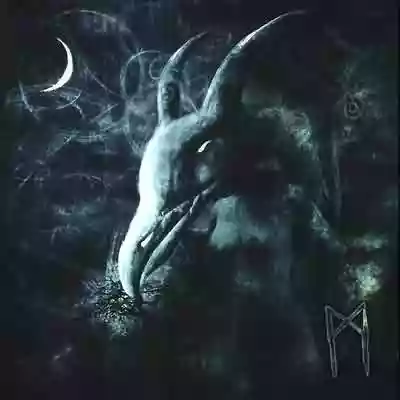
The cover of the aforementioned "ITSE" is very nice, possibly a Finnish name like the song titles and corresponding lyrics. After putting the earbuds of my old but very reliable Sony Cd Walkman D-E220 into my ears and obviously pressing play, I perceived the meaning of this genre. It’s almost a Death, characterized by representing "terror" and "fear" or "the occult" through an emphatic use of a funeral melody typical of Horror movies, and unlike the already better-known groups like Dimmu Borgir, an effort is made to give a more important role to the individual "sounds" and accompaniments rather than the now-famed monstrous technique mostly represented by the wrecking of musical instruments to achieve a number of decibels even if in a melodic key. Each single song by Ajattara shows both anger and aggressiveness, both extremism and tension, but connects these elements through slight veins I would dare to call "Dramatic".
Take for example "Yhdeksäs," with which the album announces itself; it’s a wonderful song, truly terrifying but at the same time it also expresses sadness or better yet "desperation" without necessarily falling into the category of a genre that would then be called "gothic"; rather, it stays anchored to the screams of an excellent Growl voice (reminds us of Shagrath’s) often prolonged and interspersed with "human voice." Perhaps it’s the delicate keyboards (But who is the keyboardist?) that designate an "alternative" accompaniment to the usual black or death? The beautiful "Verivalta" is aggressive but unlike the previous one, it’s more focused on a raw and rough atmosphere, with typical thrash and heavy games that are well done, and the chorus instills a lot of fear. Great instrumental synchronization and dynamic voice articulation compose some songs like "Musta Aurinko," but it’ll be "Ägräs" in particular that draws a splatter/horror scene thanks to a ruthless mystic choir of assassin prophets. The beginning of the song "Murhamiesi" vaguely recalls the chords of "Fata Morgana," manifesting in a concentration of speed and malice. "Tulessa" is perhaps the most death track of the Album, and is a typical example of melodic death.
It is notable, however, the flaw (in my opinion) that throughout the album there is not even a single interesting solo and how, (perhaps) by removing the sounds of a hypothetical keyboard (hypothetical because I still don’t have confirmation that there’s an official keyboardist in the band) the sound quality would decrease, but in short; if you are not experts in the field and want to break out in a bit of a cold sweat, with its listening you will catapult yourselves into an utterly defiled Finnish cemetery, so this album or maybe this band might particularly interest you.
Loading comments slowly
Summary by Bot
Ajattara's debut album Itse is a compelling entry into atmospheric black metal, blending terror and despair with aggressive and dramatic musical elements. The review highlights the band's unique instrumentation and evocative vocal style, setting them apart from typical black metal acts. Despite some critique regarding the lack of guitar solos and unclear keyboard presence, the album effectively creates a chilling, raw atmosphere that fans of dark metal genres will appreciate.Tracklist Lyrics Videos
Ajattara
Ajattara is a Finnish black/dark metal band led by Ruoja (Pasi Koskinen), known for Finnish‑language lyrics and a bleak, horror‑tinged sound. Active 1996–2012 and since 2016.01 Reviews
