
 •
Rating:
•
Rating:
THE REVIEW
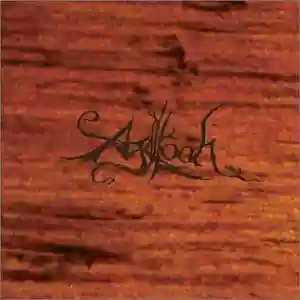
Usually, debut albums are the ones that make the most resounding impact, and the Agalloch's "Pale Folklore" (1999) from Portland, Oregon does not break this rule, although it betrays a slight inexperience of the band. With this album, Agalloch manages to blend two overused genres, such as doom and folk, crafting a raw and palpable winter atmosphere as biting as the cold that freezes every single note of their music.
Those unfamiliar with the album who feel apprehensive reading the infamous "doooom" should not expect a super heavy, depressing, and especially slow album (like any good doom album): "Pale Folklore" centers around agile and damn elusive rhythms, as well as foggy and indefinable atmospheres, never veering into frightening infernal antechambers but instead leaving only a trail of autumn languor and melancholy as dense as resin.
The contrast between acoustic/clean and distorted guitar is the first real winning weapon of the album, noticeable right from the magnificent trilogy of "She Painted Fire Across the Skyline: 1/2/3" that majestically opens the album: between imperceptible and never shocking tempo changes, the clean guitar's tears and the dry, thin wall of sound of the distortions alternate and cross like the verses of a bitter poem, feverishly painting the course of the seasons. As if that weren't enough, the contrast between Haughm's icy, hoarse whispers and a singer's lyrical high notes (whose name I don't know) further accentuates, indeed enriches, the faded and watercolor hues from the instruments.
Still following the same formula, Agalloch skillfully navigates and manipulates the mood of each piece, at times playing with a marked epicness, tracing solos and arpeggios in the air that evoke the sublimity of immense landscapes (like the album's jewel "Hallways of Enchanted Ebony"), then moving into territories more suited to true doom (the raw and dry "Dead Winter Days") or venturing into authentic bursts of pure melancholy and dripping ambient (the dreamlike sweetness of the keyboards in "The Misshapen Steed").
"As Embers Dress The Sky" is somewhat the worthy summation of the Agalloch genre, with that central break where a dreamy and disconsolate acoustic guitar blossoms, while "The Melancholy Spirit" drowns in the echoes of its wintry arpeggios, at times distant and arcane, advancing with an almost resigned sadness and tranquility; Haughm whispers bitterly, growling faintly, but never explodes in furious screams, as if slowed and contained by the sweet and clear sadness of a life spent contemplating a natural scene that is now fading slowly and silently.
In this "Pale Folklore," Agalloch has shown, with the voice a poetry that lives in its silent agony, that they still have much to say; in fact, they will do so with the subsequent "The Mantle" and "Ashes Against the Grain," expanding sounds to the limits of post-rock and masterfully refining their more folk component. Although this remarkable debut still sounds a bit rough and "immature", it fully deserves a 4.5 which I gladly round up.
Loading comments slowly
Summary by Bot
Agalloch's debut album Pale Folklore expertly combines doom and folk elements to create a haunting, wintry atmosphere. Despite minor inexperience, the band delivers intricate guitar work and vocal contrasts that enrich the melancholic mood. Key tracks like 'She Painted Fire Across the Skyline' and 'Hallways of Enchanted Ebony' showcase their evolving style. The album sets the stage for Agalloch's future refined works and is deserving of high praise.Tracklist Lyrics Videos
Agalloch
Agalloch were an American metal band formed around Portland, Oregon (formed in 1995) known for blending black metal, doom, and folk/neofolk elements with expansive, atmospheric songwriting.13 Reviews
Other reviews
By stargazer
Stunning debut album for the extraordinary Agalloch, an American band from Oregon, a land full of forests and ancient redwoods.
A sensational debut, incredibly evocative and full of surreal and dreamy sounds.
