
 •
Rating:
•
Rating:
THE REVIEW
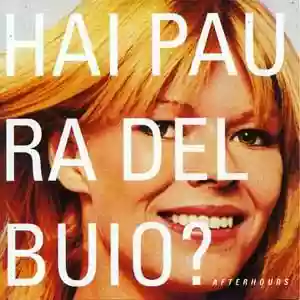
Afterhours are one of the most loved/hated bands in the history of Italian music. Writing about them is almost suicidal: I can imagine how many comments might be written just out of prejudice. Indeed, the arrogance of the singer-guitarist Manuel Agnelli isn't negligible, but neither is the contribution they have managed to bring to the Italian scene with albums like this one. Their previous album, "Germi," the first in Italian and considered by many as the first real album of the Milanese group, presented mostly typical grunge sounds inspired by the Anglophone. In "Hai Paura Del Buio," they put all the cards on the table again. They free themselves from their role as a monolithic-sounding band by tending towards experimentation, ranging across the most varied genres: from hardcore to acoustic ballads, a few splashes of grunge, even branching into pop, and a lot of experimentation.
If I had to sum up this album in one word, it would be: distorted. Distorted is Manuel Agnelli's voice on the opening track "1.9.9.6.", (super)distorted are the guitars of the visionary Xabier Iriondo, the reality expressed in the lyrics is distorted. Manuel Agnelli ultimately extracts all the filth from his head and puts it on display, for sale to the general public. And this pleases, so much so that Afterhours become a national phenomenon when it seemed there was no longer any hope for them in the Italian musical landscape.
The Milanese formation, which for this album features for the first time the collaboration of Dario Ciffo on violin (a collaboration that will last more than 10 years), presents a track list that for enthusiasts is almost a best-of, and for everyone else is nevertheless a dream album, featuring a number of classics that many bands, during their career, only dream of.
The album, after the brief instrumental title track, opens with 1.9.9.6., an apparently naïve ballad in which Manuel Agnelli plays with his voice, transforming it and letting it freely say what it wants: for now, it's still the only album I hear opening with a blasphemy. After this bold beginning, we're catapulted into the fury of "Male di Miele," a symbolic song that combines anger, love, pain, and one of the best riffs of the last 20 years.
Continuing on, one could talk endlessly, how could we not discuss the disturbing "Rapace," or the sweet "Elymania," the lysergic "Senza Finestra," or the disarming (imagine a sort of infant lullaby after 40 minutes of noise!) "Come Vorrei."
Or I could tell you about my favorites, from the hardcore of "Dea" and "Lasciami Leccare l'Adrenalina," to the punk and irreverent atmosphere of "Sui giovani d'oggi ci scatarro su," the anger of "Veleno"; or, to do it justice, a bit of all 18 songs present.
Or I could tell you to listen to it because certain masterpieces never harm anyone by being listened to, even by those who already know them. Naturally, after all this diatribe about distortion and noise, you're surely expecting something of the kind. But no. Why? Because Afterhours manage to do pop just as well.
Loading comments slowly
Summary by Bot
Afterhours' album Hai Paura Del Buio is a landmark in Italian music, showcasing a wide range of styles from punk to pop and experimental sounds. Manuel Agnelli's distinctive and distorted vocals, combined with visionary guitar work and violin collaborations, create a unique and bold record. The album features many classics and is regarded as a national phenomenon that redefined the band's identity. Its eclectic nature and emotional depth make it a masterpiece worth revisiting.Tracklist Lyrics Videos
Afterhours
Afterhours is an Italian alternative rock band from Milan led by Manuel Agnelli, active since the mid-1980s and widely cited as influential in the Italian indie/alternative scene.52 Reviews
Other reviews
By nadir
Hai paura del buio? Afterhours hit the mark again and create their best album, at least in terms of production and composition.
The group is now a true war machine ready to unleash their fury on the established audience that crowds their concerts.
By FrancesTheMute
Corrosive irony and nihilistic cynicism on a backdrop of melancholic existential boredom pervade the sharp yet engaging atmosphere of the record.
The boy in me would give this album a 5 with honors, the adult growing inside gives it a 2=... Rounded up because, in the end, I grew up with this album, and goodbye to everyone!
By Bleak
"Hai paura del buio? is an album composed of no less than 19 songs, yet none are filler tracks."
"The darkness is the soul lost in its own torments, in its own desperate abyss of suffering..."
By Theisland
It is not an exaggeration to say that without him, the band would have no reason to exist.
'Hai paura del buio?' is a double album that seems almost endless at first, but you learn to appreciate it from the first to the last note.
