
 •
Rating:
•
Rating:
THE REVIEW
"All that she wants is another baby she's gone tomorrow boy". I don't know about you, but the person writing to you got fed up with it by the second forced listen during the distant summer of 1993: indeed, because commercial radio and TV would blast it continuously, randomizing it with "What Is Love" by Haddaway.
"All That She Wants" exploded with an astonishing roar. It propelled the reference album, "Happy Nation" (1992/93), to sell twenty million copies worldwide. Not only that: the album had three incarnations because, once "All That She Wants" was ignited, each single went straight to number one, and (almost) every single generated a new reissue of the album: "Happy Nation - European Edition", "Happy Nation - US Edition", "The Sign". Unprecedented things. The album, in itself, wasn't bad: a handful of decently produced and played dance tracks, with, let’s admit, the innovative rhythmic section of the famous single that would become the group’s trademark in the years to come. In short: a good product, no doubt, but not enough to justify the impact that catapulted the Berggreen twins (Jonas "Joker", Linn, and Jenny) and their friend Ulf "Buddah" Ekberg to the top of the world. Boom! The level of fame was total, unconditional. A German fan broke into the Berggreen house while the family was having dinner and threatened Jenny with a knife. Just saying.
The record label, rightfully so, began to exert an incredible amount of pressure on the band to release the new album as soon as possible. And who has the time? Tours, interviews, promo videos, appearances, lunchtime assaults.
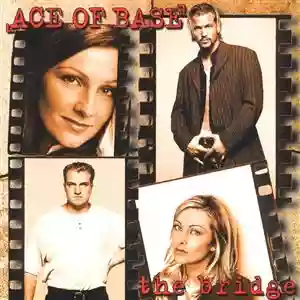
They say that working under pressure, with someone breathing down your neck, results in poor work. Well, they worked well. They divided the tasks, and haste was a good advisor. Everyone got to work: Joker, the true cornerstone of the group, his sisters, and the good Buddah, who before making it big with Ace, played in a Swedish punk band with racist themes (our guy later, pressed by the media, disavowed that phase, 'I was young and stupid'. Well). As I said: "The Bridge" (1995) had a relatively short genesis and drafting. It never replicated the twenty million copies of its predecessor, but it settled on a respectable seven million. Three singles were released to introduce the new phase: the cheerful and colorful "Lucky Love" and "Never Gonna Say I'm Sorry" (upon listening: oh, Ace Of Base! ) in Europe and the powerful, danceable, and summerish "Beautiful Life" in the States, a track that also opens the album.
This results in a varied album, with an abundance of minor key chords and harmonies, to give a sad, shady, but also catchy tone to the 18 little pearls that make up the collection. Speaking of the three lead singles, excellently packaged and worth noting are "The Edge Of Heaven", a pop track imbued with the sensuality typical of Sade, "Whispers in Blindness", a creation of Linn, appreciated for its impact and stylistic simplicity, "My Deja Vu" because it enhances their past, making it more credible, "Wave Wet Sand" with the heaviness of the synth bass softened by the sweet and wandering melody, "Just 'N' Image" because you should trust me. For those who love slow tracks, "Angel Eyes" will caress you without doing any harm, while if you like to dance or simply roll down the windows with the arrival of the warm season, "Strange Ways", "You And I", and "Blooming 18" will hardly disappoint expectations.
You might say: oh, but they are the ones from "All That She Wants", come on. Yes: the debut album, in the opinion of the one writing to you, had little defense. Let me mention one: "Waiting For Magic", which gives "All That She Wants" an appetizer, a first course, and a second. With the third and fourth albums, "Flowers" (1998) and "Da Capo" (2002) (the latter going almost unnoticed also because it was the product of a soft release, ndr), the four from Ave Maria returned to embracing the sun, celebrating life, and down we go. "The Golden Ratio" from 2010, produced with two backup singers instead of Jenny and Linn, doesn’t deserve mention.
"The Bridge", to date, remains their best work: just dark enough, frantic but balanced, exhaustive and captivating, it outshines the rest of the discography in every aspect. But many people will never know. Because "All That She Wants" served as a watershed too soon, affecting the listener's consciousness and patience, who might not be willing to give a chance to this Swedish (former) youngsters’ second work.
This, you thought. And you’re allowed. But now that you know, well.
Loading comments slowly
Summary by Bot
Ace of Base's second album, 'The Bridge' (1995), followed the massive success of their debut but offered a darker, catchier, and more varied collection of songs. Despite intense pressure to deliver quickly, the group produced a solid, balanced album highlighted by hits like 'Lucky Love' and 'Beautiful Life.' The album sold well but remained overshadowed by the debut's explosive popularity. It remains a hidden gem for fans willing to explore beyond the familiar singles.Tracklist Lyrics
Ace of Base
Ace of Base are a Swedish pop group formed in Gothenburg in 1990 by siblings Jonas, Linn, and Jenny Berggren with Ulf Ekberg. They broke internationally with All That She Wants and The Sign, followed by albums Happy Nation/The Sign, The Bridge, Flowers, Da Capo, and 2010’s The Golden Ratio. Their sound blends pop, Eurodance, and reggae-inflected hooks.02 Reviews
