 •
Rating:
•
Rating:
THE REVIEW
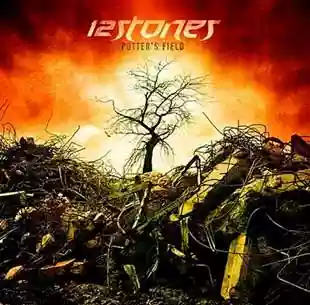
Compared to other groups that emerged around the same time, such as Evanescence, 12 Stones have remained relatively unknown, especially in Europe. This excellent band has, in fact, achieved extraordinary and well-deserved success in the United States, where they have been popular since the days of "Let Go", one of the soundtracks of the movie Daredevil (alongside the more famous "Bring Me To Life" and "My Immortal" by Evanescence), and subsequently with their self-titled first album released in 2002, alongside Evanescence's Fallen (and also under their same record label, Wind-up). Their second album, Potter's Field, represents the temporary arrival of an impressive artistic maturation that was already demonstrated with their previous tracks and that, we hope, will be further surpassed by their third work in production.
Now, let's move on to the analysis of the band and this excellent work. It seems that the intention was to make their Christian rock even more impactful than that of the previous album, highlighting the skill of individual musicians, such as guitarist Eric Weaver who gifts us with splendid initial riffs and excellent solos, or drummer Aaron Gainer, who fulfills an excellent role in filling out the group's sound, also using the double pedal, which was somewhat missing in the first album; bassist Kevin Dorr also works very well with Gainer regarding the rhythm line of the tracks. Finally, Paul McCoy did not disappoint; his warm and charismatic voice seems slightly more prominent over the guitar compared to the first album, and the singer's typical harsh and hoarse peaks are more moderated and inserted at the right points.
"Speak Your Mind", the excellent opening track of Potter's Field, immediately explains the musical line that the band will follow: a harsh and subdued initial riff that opens into an impressive entrance by the entire group (dominated by Gainer), quickly followed by the verse sung over the same riff of the intro. The track takes a break with a melodic and pleasant chorus before returning to the initial tones. Very beautiful and catchy, as well as indicative of good technique, is the solo which, as tradition demands, comes after the second chorus. Great idea of the rest pause before the variation and the end, played only by bass and drums. Finally, a crescendo variation, culminating with McCoy's scream and a finale that is overall quieter than expected. The flaw of the second track, "The Last Song", is that it seems less inspired than the first track, but especially that in general it is very, perhaps too similar in arrangement, except for small differences; even in this case, the tones are rather harsh. "Far Away", however, presents itself as novel in terms of arrangement, as, excluding the intro, the drums take lead from the beginning with a good tom run, and the verse is sung with almost no guitar presence. The track resumes the classic line with the chorus, but the drum pattern returns throughout the song. A pity for the lack of a true guitar solo because the track at some point seems to be just waiting for it and the arrangement seems to stifle Weaver's creativity in coming up with one. In any case, the ending with the scream and Gainer continuing to dominate the line of the piece is nice.
"Shadows" is a classic rock track with a traditional arrangement. However, it is very well played and also catchy. The same goes for "Lifeless", the fifth track; but here, not only here, the idea of drum segments played with the hi-hat on the upbeat is excellent, giving the impression of never being too banal. Tracks like "Bitter", "Three Leaf Loser", and "Waiting For Yesterday" don't bring anything new to the album's economy and, although well-played, merely follow the pattern of the first tracks. "Photograph", "Stay", and "In Closing" (the last track of the album) present themselves instead as tracks for relaxation. Calm guitar from the start and little distortion, returning to relaxing and perhaps slightly banal tones.
My initial comparisons with the band Evanescence, which I consider technically and musically inferior to 12 Stones, aim to understand why so many good bands often remain in the shadows here, while so many others that are promoted by major music information channels obviously become worshipped by the masses. In any case, I hope that their third work is even more complete and mature and also achieves greater success here in Europe. The highest rating is not reached only due to a lack of full originality, which however, we all know, becomes more difficult to achieve with each passing day and with each single song that is composed.
Loading comments slowly
Summary by Bot
12 Stones' second album, Potter's Field, shows impressive artistic maturation and skilled musicianship, especially in guitar and drums. While some tracks feel repetitive and lack full originality, the album offers catchy and well-played music. Comparisons to Evanescence highlight 12 Stones' technical superiority, though they remain less known in Europe. The review hopes for even more maturity and success in their future work.Tracklist Lyrics Videos
12 Stones
12 Stones are an American post‑grunge/alternative rock band from Louisiana, formed in 2000. Frontman Paul McCoy is known for his guest vocal on Evanescence’s Bring Me to Life. Early releases on Wind‑up Records led to U.S. exposure, with songs placed in WWE programming and on the Daredevil soundtrack.04 Reviews
